News report
Russian Forces Intensify Offensive Nearby Pokrovsk and Huliaipole
Russian forces are accelerating their offensive operations near Pokrovsk and Huliaipole, according to military expert Vladyslav Selezniov. He reported that April presents a more favorable environment for these actions due to improving ground conditions.
Share this article
Share to social platforms, or copy the article link and share text manually.
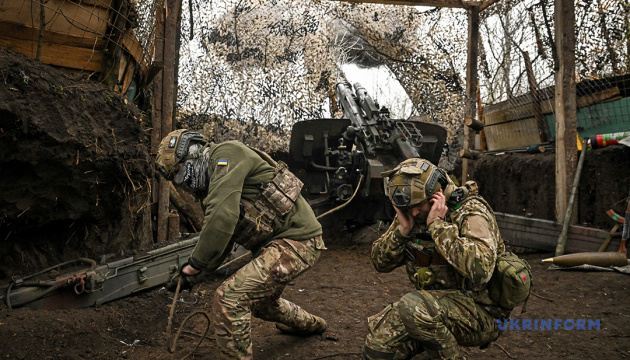
Photo: Ukrinform UA
At a glance
- Russian forces increase offensive operations near Pokrovsk and Huliaipole.
- April offers improved ground conditions for military actions.
- Ukrainian forces destroyed over 6,000 Russian vehicles in March.
- Other sections of the front are stabilizing amid heightened attacks.
- Russian claims of negotiating peace are seen as tactical posturing.
Why it matters
The intensifying Russian offensive reflects critical shifts in military strategy as seasonal conditions favor advance. The effectiveness of the Ukrainian military's countermeasures will influence battlefield dynamics significantly and may reshape future engagement strategies.
https://www.ukrinform.ua/rubric-ato/4108614-vorog-pospisae-vijskovij-ekspert-rozpoviv-pro-rosijskij-nastup-i-situaciu-na-fronti.html
What Happened
Military expert and retired naval colonel Vladyslav Selezniov stated that Russian forces are stepping up their offensive activities around Pokrovsk and Huliaipole. This assessment comes amid the transition into April, which is considered one of the most conducive times for military operations due to better ground conditions known as "zelenka." Selezniov, speaking on Ukrainian radio, attributed the urgency of the Russian offensive to recent successes of the Ukrainian armed forces.
He claimed that in March, Ukrainian forces destroyed over 6,000 enemy vehicles, demonstrating an ability to disrupt the enemy's logistical systems from distances of 20 to 100 kilometers from the front line.
Key Details
Selezniov highlighted specific areas of conflict. The most intense fighting is currently reported near Pokrovsk and Huliaipole. Meanwhile, other sections of the front seem to be stabilizing, indicating varied levels of military engagement across the region.
The mention of improving ground conditions suggests a shift in the battlefield dynamics that could favor offensive operations. He also pointed out that recent statements from Russian officials about negotiating an end to the war in exchange for the withdrawal of Ukrainian troops from Donetsk are fueled by their challenges on the battlefield.
"If they were doing well, they would not need to resort to this rhetoric," Selezniov remarked.
Why It Matters
The situation illustrates the ongoing complexities and tactical shifts occurring in Ukraine's conflict with Russia. The effectiveness of the Ukrainian military's counteractions could impact Russian strategic decisions significantly. Additionally, as the weather improves, the situation on the ground may evolve rapidly, affecting both military strategies and outcomes.
Background
The conflict in Ukraine has persisted for over a year, with shifting territorial control and ongoing military engagements defined by fluctuating strategies. The Ukrainian armed forces have demonstrated resilience and adaptability, often countering Russian advances.
Selezniov's comments may indicate a critical turning point as seasonal conditions align with military strategy, potentially influencing the trajectory of upcoming operations. As the Russian military fails to achieve its objectives decisively, the reliance on information warfare tactics, such as spreading disinformation or sowing confusion, has become more pronounced.
This multifaceted warfare strategy complicates the landscape, impacting how both sides may negotiate or engage in future confrontations.
Source: Ukrinform UA
This report is maintained as a live newsroom article. Headlines and top paragraphs may be tightened when fresh reporting changes the clearest angle.
Newsletter
Get the next major Ukraine report
Follow the strongest verified developments with a cleaner newsroom brief and direct follow-up coverage.
Report format
Fast lead first, then fuller context.
Source photo stays distinct from any illustration.
Related coverage stays inside the same reporting thread.