News report
Russian Forces Increase Offensive Grouping in Southern Ukraine
Russian occupation forces are rotating their offensive capabilities in southern Ukraine, particularly along the Huliaipole axis. Expected increased activity during the summer was reported by Vladyslav Voloshyn, spokesperson for Ukraine's Southern Defense Forces.
Share this article
Share to social platforms, or copy the article link and share text manually.
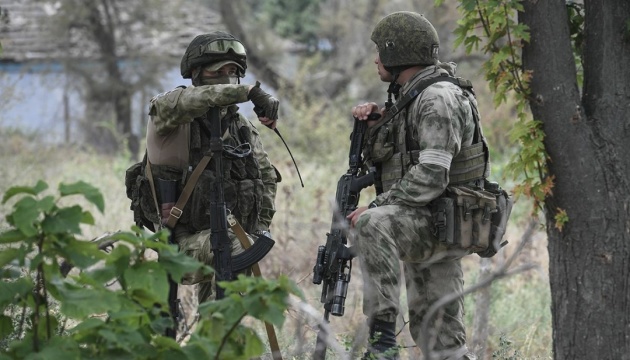
Photo: Ukrinform EN
At a glance
- Russian forces are rotating an offensive grouping in southern Ukraine.
- The rotation is particularly focused on the Huliaipole axis.
- Troops involved include the 57th and 60th Motor Rifle Brigades and the 55th Naval Infantry Division.
- New tasks for these units involve deeper incursions into Ukrainian defensive positions.
- Previous goals to capture Ternuvate and Kosivtseve by May were not met.
Why it matters
The increase in Russian military operations could signal a shift in the conflict, with heightened risks for Ukrainian forces. Understanding these movements helps in predicting future developments and strategizing defensive responses.
https://www.ukrinform.net/rubric-ato/4129314-russian-forces-rotate-offensive-grouping-in-southern-ukraine-activity-expected-to-increase-in-summer-spokesman.html
What Happened
Russian occupation forces are currently repositioning their offensive military grouping in southern Ukraine, specifically targeting the Huliaipole axis. This strategic move has been highlighted by Vladyslav Voloshyn, a spokesperson for Ukraine’s Southern Defense Forces, who suggests that this rotation indicates an expected escalation in enemy activities throughout the summer.
Voloshyn stated that the offensive grouping consists mainly of troops from Russia's 5th Army, which includes the 57th Separate Motor Rifle Brigade, the 60th Separate Motor Rifle Brigade, and the 55th Naval Infantry Division. This newly assembled force is expected to operate significantly throughout June 2026.
Key Details
According to Voloshyn, the Russian command has designated new tasks for these units. These missions aim for a deeper incursion into Ukrainian defensive lines. Specifically, they involve capturing strategic positions that lie within the operational depth of Ukraine's Defense Forces.
The spokesperson emphasized the importance of these tasks by indicating that they reflect a concerted effort by Russian forces to intensify their military operations. The tasks assigned to the respective brigades suggest that enemy activity in the region is likely to amplify as the summer progresses.
Additionally, although Russian forces had objectives to capture key areas such as Ternuvate and Kosivtseve by the end of May, they reportedly failed to meet these deadlines. This suggests challenges faced by the Russian military in achieving set operational goals, putting further emphasis on their recent tactical rotation as a potential shift in strategy.
Why It Matters
The ongoing rotation and increase in Russian military activity in southern Ukraine could lead to significant implications for the current state of conflict. The summer months often see heightened military operations, and this rotation may reflect the broader strategic objectives of the Russian armed forces. Understanding these developments is crucial for assessing the evolving nature of the conflict.
Background
The conflict in Ukraine has continued to see fluctuations in military engagement levels and tactics since its onset. The Huliaipole axis has previously been a point of contention, and the movements of Russian forces within this arena are being closely monitored.
Continued analyses from Ukrainian military officials like Voloshyn provide insight into the operational dynamics on the ground, highlighting the adaptations and shifts in strategy employed by opposing forces. As the situation in southern Ukraine develops, it will be essential to track the implications of these military rotations and the potential for increased conflict in the region.
Source: Ukrinform EN
This report is maintained as a live newsroom article. Headlines and top paragraphs may be tightened when fresh reporting changes the clearest angle.
Newsletter
Get the next major Ukraine report
Follow the strongest verified developments with a cleaner newsroom brief and direct follow-up coverage.
Report format
Fast lead first, then fuller context.
Source photo stays distinct from any illustration.
Related coverage stays inside the same reporting thread.