Breaking news
Russian Air Defense in Crimea Struggling After Ukrainian Strikes
In Crimea, Russian air defense systems are failing to recover quickly after recent strikes by Ukraine's Defense Forces. Reports from the ATESH partisan movement indicate significant damage.
Share this article
Share to social platforms, or copy the article link and share text manually.
Developing story
This page is updated as verified details move. The lead and top sections are tightened first when the clearest confirmed angle changes.
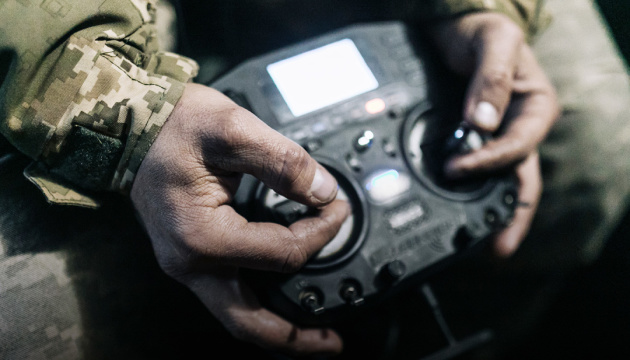
Photo: Ukrinform EN
At a glance
- Recent Ukrainian strikes severely damage Russian air defense in Crimea.
- Ukrainian attacks target S-400 and Pantsir systems, rendering them inactive.
- Russian forces struggle to restore air defense quickly due to systematic targeting.
- Local civilians without military training are now part of mobile defense units.
- Partisans provide intelligence to help Ukrainian forces exploit weaknesses.
Why it matters
The disruption of Russian air defense in Crimea could lead to greater vulnerability for their military installations and assets. It also highlights ongoing guerrilla operations undermining Russian control in the region.
https://www.ukrinform.net/rubric-ato/4109848-occupiers-unable-to-restore-their-air-defense-system-in-time-after-strikes-by-ukraines-defense-forces-in-crimea-partisans.html
What Happened
Ukrainian Defense Forces have launched successful strikes against Russian air defense installations in Crimea. According to the ATESH partisan movement, these operations have severely hampered the ability of Russian forces to restore their air defense systems in a timely manner. This information was reported via Telegram.
Key Details
An agent from ATESH disclosed that the air defense situation in Crimea is at its worst since the onset of the full-scale war. Precise attacks have reportedly incapacitated several S-400 and Pantsir air defense systems.
Critical installations protecting the sky over regions from Dzhankoi to Yevpatoria and Chornomorske have suffered significant losses. The agent remarked that former positions are now utterly destroyed or abandoned, rendering them unusable.
The partisan report suggests that Russian military command is struggling to fill the operational gaps left by the destruction of these defense systems. In a desperate measure, untrained personnel, including individuals from local occupation administrations, are being mobilized to bolster mobile air defense units.
Reports indicate that these individuals, lacking proper military training, are being instructed to learn quickly while on the job. Furthermore, ATESH has stated that they have been actively passing along key intelligence, including the coordinates of new Russian military positions, equipment routes, and personnel details, to Ukraine's Defense Forces to further assist in their operations.
This intelligence-sharing is part of a coordinated effort to exploit the vulnerabilities in Russian defenses in the area.
Why It Matters
These developments illustrate the ongoing challenges faced by Russian military forces in occupied Crimea amid sustained Ukrainian offensives. The inability to effectively restore air defense capabilities not only exposes Russian assets to continuous threats but also suggests a weakening grip on the peninsula.
Background
The conflict over Crimea has been a focal point of tensions between Ukraine and Russia since 2014. The current phase of the conflict escalated significantly in February 2022, prompting a series of military engagements.
The Ukrainian Defense Forces have increasingly targeted Russian military infrastructure in Crimea, aiming to disrupt supply lines and defensive capabilities. Reports of civilian involvement in military operations highlight the increasing desperation within Russian ranks as they face mounting pressure from Ukrainian forces.
Source: Ukrinform EN
This report is maintained as a live newsroom article. Headlines and top paragraphs may be tightened when fresh reporting changes the clearest angle.
Newsletter
Get the next breaking Ukraine update
Receive the fastest lead, key facts, and follow-up links in one concise newsroom note.
Breaking format
The lead carries the core fact first.
Key figures and locations stay near the top.
Related coverage tracks the same reporting line.