News report
Russia Changes Recruitment Strategy for African Mercenaries in Ukraine
The Kremlin's updated strategy marks a departure from previous recruitment methods, involving more formal channels across Africa. Reports indicate significant casualties among African fighters in Ukraine.
Share this article
Share to social platforms, or copy the article link and share text manually.
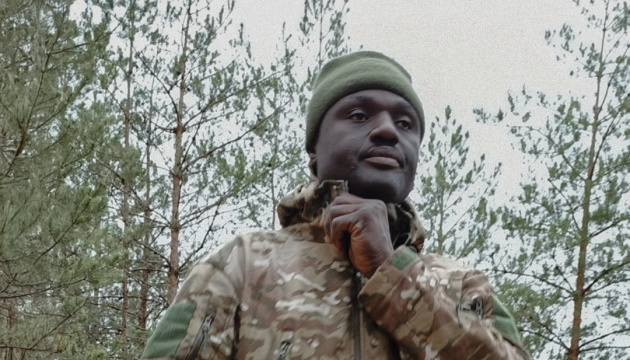
Photo: Ukrinform UA
At a glance
- Russia has transitioned to a systematic approach for recruiting African mercenaries.
- Over 1,400 African nationals have reportedly fought for Russia in Ukraine.
- At least 316 mercenaries are confirmed dead, with many deceived during recruitment.
- Russia has halted recruitment in some African countries after governmental backlash.
- Recruitment continues in other African nations amidst concerns of human trafficking.
Why it matters
The shift in recruitment strategy underscores Russia's adaptability in sustaining its military operations in Ukraine while raising ethical concerns about the exploitation of vulnerable populations in Africa. This development could further strain Ukraine's defensive measures and complicate diplomatic relations between Russia and African nations.
https://www.ukrinform.ua/rubric-world/4099732-rf-zminila-strategiu-verbuvanna-afrikanskih-najmanciv-dla-vijni-v-ukraini-cpd.html
What Happened
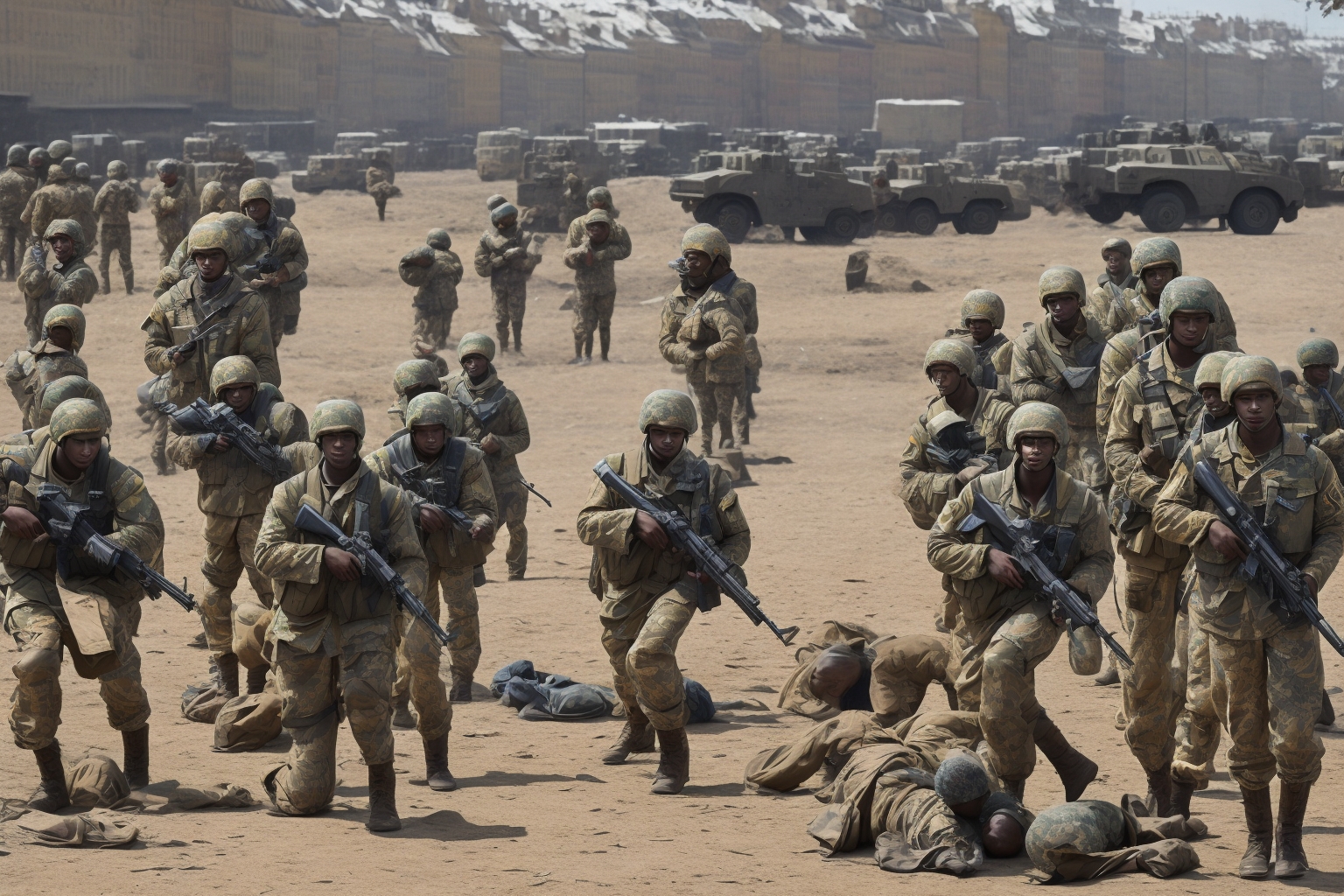
The Center for Countering Disinformation reports that Russia has amended its approach to recruit African mercenaries, moving away from reliance on semi-legal schemes and unofficial channels. The Kremlin is now utilizing diplomatic and cultural institutions on the African continent as recruitment hubs.
Over 1,400 soldiers from various African nations have been identified as having fought for Russian forces in Ukraine. Of these, at least 316 have been confirmed killed in combat within weeks of deployment.
Key Details
The recruitment process involves manipulation, where potential recruits are often tempted with false promises of civilian employment. Following criticisms from certain African governments about these tactics, Russia has reportedly paused recruitment efforts from specific countries, effectively creating a blacklist.
Despite this, recruitment remains active in other African nations. This strategic shift fits within a broader Kremlin narrative of fostering friendships with African states while exploiting vulnerable populations.
Why It Matters
The change in Russia's recruitment strategy poses serious ethical concerns and risks to regional stability, impacting Ukraine's defense and diplomatic efforts.
Background
The institutionalization of the recruitment strategy raises alarms among African leaders and international observers regarding potential impacts on regional security. Human rights advocates have condemned these recruitment tactics as resembling human trafficking, particularly due to the deceptive methods used.
Ghana's Foreign Minister, Samuel Okudzeto Ablakwa, has pointed out that criminal networks play a significant role in recruitment, employing manipulation and misinformation to draw individuals into the conflict in Ukraine. The evolving situation could complicate Ukraine's defense strategies and the geopolitical landscape, as an influx of foreign fighters may affect both military operations and international relations.
Source: Ukrinform UA
This report is maintained as a live newsroom article. Headlines and top paragraphs may be tightened when fresh reporting changes the clearest angle.
Newsletter
Get the next major Ukraine report
Follow the strongest verified developments with a cleaner newsroom brief and direct follow-up coverage.
Report format
Fast lead first, then fuller context.
Source photo stays distinct from any illustration.
Related coverage stays inside the same reporting thread.