News report
Russia Recruits Nearly 3,000 Africans for Ukraine Conflict
As of May 2026, nearly 3,000 Africans from 36 countries are fighting for Russia in the conflict against Ukraine. The information was disclosed by Ukraine's Ministry of Foreign Affairs in an interview.
Share this article
Share to social platforms, or copy the article link and share text manually.
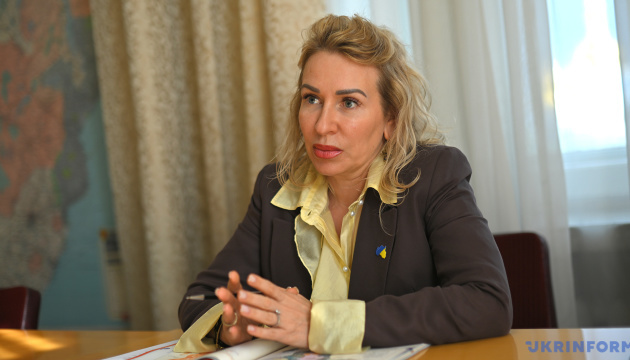
Photo: Ukrinform EN
At a glance
- Russia has recruited nearly 3,000 Africans to fight in Ukraine.
- Countries with significant recruitment include Kenya, Egypt, and Nigeria.
- Moscow plans to recruit 18,500 foreign fighters in 2026.
- Recruitment tactics include misleading offers and religious networks.
- Political engagement varies by country, affecting recruitment responses.
Why it matters
Understanding the recruitment of Africans by Russia highlights the complexities of global military alliances and the implications for African nations. These developments could affect diplomatic relations as perceptions of Russia shift on the continent.
https://www.ukrinform.net/rubric-ato/4127056-russia-has-recruited-nearly-3000-africans-from-36-countries-to-fight-against-ukraine-mfa.html
What Happened
As of May 2026, Ukraine's Ministry of Foreign Affairs reported that **2,965 citizens from 36 African countries** have either served or are actively serving in the Russian military amid the ongoing war in Ukraine. Liubov Abravitova, Director of the Department for Africa and Regional African Organizations at the ministry, provided these figures in an interview.
Key Details
Russia's recruitment efforts in Africa are substantial. The country plans to add **18,500 foreign fighters** to its military ranks in 2026. Among the most represented countries are **Kenya, Egypt, Cameroon, Ghana, Nigeria**, and **Uganda**.
The figures provided by Abravitova could be underestimated, as the actual number of recruited individuals may be higher. Abravitova detailed the methods used by Russian authorities for recruitment.
She mentioned a range of strategies, including misleading promises of **free scholarships** and utilizing **religious networks**. These tactics raise alarm for many African nations.
The situation varies among the different countries. For instance, when Ghana's foreign minister visited Ukraine, it led to a series of **agreements for further cooperation** aimed at addressing the issue.
Conversely, in Nigeria, less political engagement has been observed despite a high number of recruits.
Why It Matters
The apparent increase in recruitment of Africans to fight could shift perceptions of Russia across the continent. Many nations are beginning to realize that Russia's military strength is not as formidable as its propaganda suggests. This recruitment phenomenon could have implications for international relations moving forward.
Background
The ongoing conflict in Ukraine has led to significant shifts in global alliances and perceptions. As Russia seeks to replenish its forces through foreign recruitment, the strategy impacts diplomatic relations, particularly with nations that have historically maintained a nuanced position towards Moscow.
Civil society responses in various African nations are crucial in shaping future partnerships as these countries navigate their relationship with Russia. Engagement and dialogue will likely play vital roles in mitigating the negative effects of these recruitment practices on local communities.
Source: Ukrinform EN
This report is maintained as a live newsroom article. Headlines and top paragraphs may be tightened when fresh reporting changes the clearest angle.
Newsletter
Get the next major Ukraine report
Follow the strongest verified developments with a cleaner newsroom brief and direct follow-up coverage.
Report format
Fast lead first, then fuller context.
Source photo stays distinct from any illustration.
Related coverage stays inside the same reporting thread.