Breaking news
Russia Launches Major Air Assault on Ukraine with Ballistic Missile
On May 4, Russian forces attacked Ukraine with an Iskander-M ballistic missile and 88 drones, according to Ukraine's Air Force. The strikes resulted in fatalities and widespread damage, prompting an immediate response from Ukrainian air defenses.
Share this article
Share to social platforms, or copy the article link and share text manually.
Developing story
This page is updated as verified details move. The lead and top sections are tightened first when the clearest confirmed angle changes.
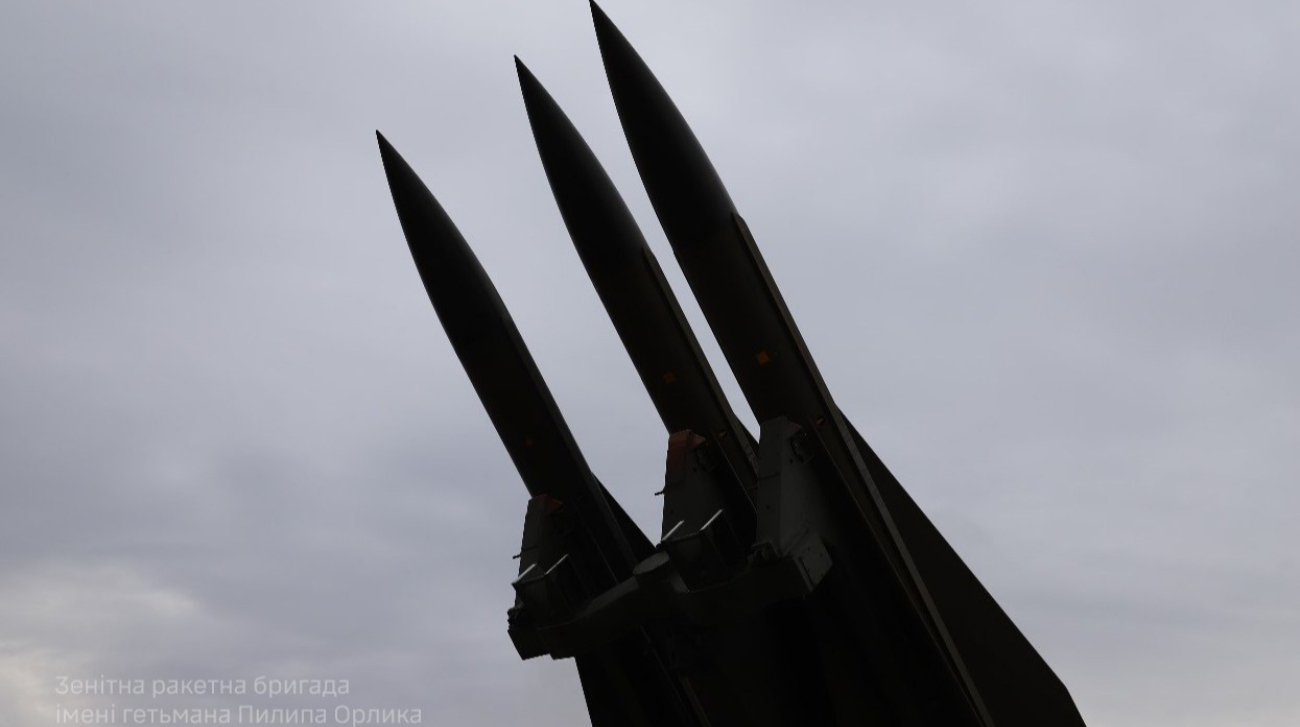
Photo: Ukrainska Pravda EN
At a glance
- Russia launched an Iskander-M missile and 88 drones on May 4.
- Ukrainian air defense systems downed 70 of the attacking UAVs.
- Seven people were killed and over thirty injured in Merefa.
- The attack utilized various drones, including Shahed and decoy models.
- Three days of mourning were declared in Merefa following the incident.
Why it matters
The attack underscores the persistent threat to Ukraine's sovereignty and the efficacy of its military defenses. As air assaults continue, the strain on resources may impact Ukraine's ability to maintain its defensive posture.
https://www.pravda.com.ua/eng/news/2026/05/04/8033121/
What Happened
On May 4, from 08:30 to 18:30, Russia launched a coordinated attack on Ukraine using an Iskander-M ballistic missile and 88 unmanned aerial vehicles (UAVs), particularly targeting several regions of the country. The assault resulted in the death of seven individuals and injuries to more than thirty in the town of Merefa, located in Kharkiv Oblast.
Key Details
According to the Ukrainian Air Force, the attack included 14 drone strikes that successfully hit various targets. In a significant defensive effort, Ukrainian forces shot down approximately 70 UAVs, thereby mitigating what could have been a more destructive outcome.
The attack involved various types of Russian drones, including Shahed models, Gerbera, Italmas, and Parodiya decoys. Multiple units from Ukraine's defense forces, including aircraft, missile defense systems, and electronic warfare teams, played critical roles in responding to the aerial threats.
Why It Matters
This incident highlights the ongoing intensity of military engagement between Russia and Ukraine, with both sides utilizing advanced technology in their air warfare strategies. The sustained use of UAVs by Russian forces aims to burden Ukraine's air defense capabilities, raising concerns about the potential for future assaults.
Background
Recent reports from Ukrainian defense officials indicate an alarming trend of near-constant air attacks from Russian forces, which they claim is an effort to exhaust Ukraine's defensive resources. The situation in Merefa has led to three days of mourning, emphasizing the human toll of these military operations.
Colonel Yurii Ihnat, Head of Communications for the Air Force Command, stated that the Russian strategy includes the deployment of numerous drones, many of which serve as decoys, complicating defense efforts. The consequences of this latest round of attacks are profound, affecting civilians directly and straining military resources.
The continuation of such assaults not only threatens immediate safety but also the broader stability within the region.
Source: Ukrainska Pravda EN
This report is maintained as a live newsroom article. Headlines and top paragraphs may be tightened when fresh reporting changes the clearest angle.
Newsletter
Get the next breaking Ukraine update
Receive the fastest lead, key facts, and follow-up links in one concise newsroom note.
Breaking format
The lead carries the core fact first.
Key figures and locations stay near the top.
Related coverage tracks the same reporting line.