Breaking news
Russia Launches Disinformation Campaign Against Ukraine's Energy Credibility
Russia is attempting to tarnish Ukraine's reputation by falsely alleging that it obstructs energy supplies to the EU. This threatens Ukraine's international alliances.
Share this article
Share to social platforms, or copy the article link and share text manually.
Developing story
This page is updated as verified details move. The lead and top sections are tightened first when the clearest confirmed angle changes.
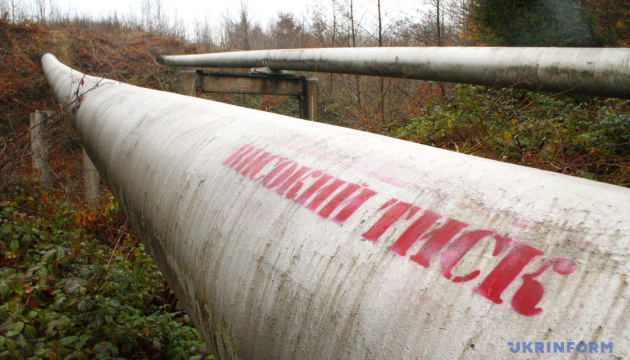
Photo: Ukrinform EN
At a glance
- Russia initiates a campaign discrediting Ukraine's role in EU energy supplies.
- CCD reports false claims of Ukraine engaging in 'energy terrorism'.
- Narratives include demands for resources from European nations.
- Russia is deemed responsible for using energy as a geopolitical weapon.
- The campaign aims to weaken Ukraine's relationships with European allies.
Why it matters
This disinformation campaign threatens Ukraine's standing with European partners at a critical time when solidarity and cooperation are essential. Moreover, it underscores the ongoing challenges Ukraine faces in combating misinformation that could erode international support amidst a complex geopolitical conflict.
https://www.ukrinform.net/rubric-ato/4101726-russia-launches-largescale-campaign-to-discredit-ukraine-over-energy-supplies-to-eu.html
What Happened
The Center for Countering Disinformation (CCD) under Ukraine's National Security and Defense Council has revealed a significant Russian campaign aimed at damaging Ukraine's credibility regarding its energy exports to the European Union. A recent Facebook post by the CCD addressed Russia's allegations that Ukraine is obstructing energy supplies destined for Europe.
The CCD reported that Russian-backed sources are accusing Ukraine of 'energy terrorism.' These narratives suggest that Ukraine is seeking financial and military assistance from European nations in exchange for continued cooperation on energy matters. The propaganda also falsely claims issues with the Druzhba oil pipeline, despite no technical problems existing.
Key Details
Russian narratives have included allegations that Ukraine is coercing Hungary and disrupting gas exports through pipelines like TurkStream and Blue Stream. The CCD has strongly refuted these claims, labeling them as misleading and aligned with Russian interests to create discord between Ukraine and its European partners.
The CCD pointed out that the Kremlin's strategy aims to undermine Ukraine's reliability as an energy partner and weaken its international support. They emphasized that Russia is the true provocateur in the energy conflict, using energy resources as geopolitical leverage.
Background
Russia has intensified its military campaign in Ukraine, influencing energy dynamics across Europe. The CCD has warned of potential energy supply disruptions that may impact neighboring countries. Additionally, there has been an uptick in Russian-linked cyber threats, including attempts to hack confidential information from Dutch government officials.
This disinformation campaign follows previous Russian strategies aimed at shifting blame and manipulating public perception regarding its actions in the ongoing conflict.
Source: Ukrinform EN
This report is maintained as a live newsroom article. Headlines and top paragraphs may be tightened when fresh reporting changes the clearest angle.
Newsletter
Get the next breaking Ukraine update
Receive the fastest lead, key facts, and follow-up links in one concise newsroom note.
Breaking format
The lead carries the core fact first.
Key figures and locations stay near the top.
Related coverage tracks the same reporting line.