News report
Russia Enacts Covert Mobilization Amidst Heavy Ukraine Losses
Russia is ramping up covert mobilization efforts, according to a recent ISW report. This action is a response to significant losses on the battlefield as well as low recruitment levels.
Share this article
Share to social platforms, or copy the article link and share text manually.
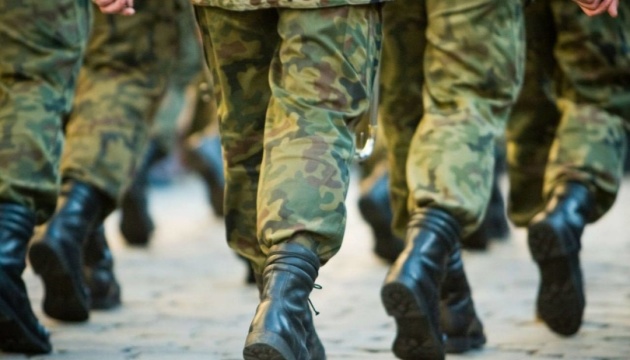
Photo: Ukrinform UA
At a glance
- Russian directive mandates businesses to select employees for military contracts.
- ISW reports increasing reliance on covert mobilization due to losses.
- Recruitment levels have lagged behind military casualties since January 2026.
- The governor of Ryazan Oblast issued the mandate effective until September 2026.
- Kremlin seeks to avoid responsible conscription amidst public dissent.
Why it matters
Russia's covert mobilization strategy reveals the challenges the military faces in replenishing personnel amidst significant losses. Understanding this trend is crucial for assessing Russia's military capabilities in the ongoing conflict with Ukraine.
https://www.ukrinform.ua/rubric-ato/4107835-rosia-provodit-prihovanu-primusovu-mobilizaciu-na-tli-veliceznih-vtrat-na-vijni-v-ukraini-isw.html
What Happened
On March 20, 2026, Russian authorities issued a directive for medium and large enterprises to select employees for military contracts amid growing casualty numbers from the ongoing conflict in Ukraine. This decision indicates a shift towards hidden compulsory mobilization as regular recruitment struggles to meet military needs.
Key Details
The directive was announced by Pavel Malkov, the governor of Ryazan Oblast, mandating that businesses with 150 to 500 employees must provide between two and five workers to sign contracts with the Russian Ministry of Defense. This initiative will remain in effect until at least September 20, 2026.
Analysts from the Institute for the Study of War (ISW) explain that this move is designed to alleviate the government’s responsibility for enforcing overt mobilization. Instead, it shifts the burden to private businesses, effectively increasing the military's manpower under the guise of corporate obligation.
This report also outlines a troubling trend: since January 2026, the number of recruits has lagged behind military casualties for the first time since 2022. The Russian Ministry of Defense is reportedly struggling to recruit new personnel, as the effectiveness of previous recruitment incentives, such as substantial one-time bonuses for enlisting, has diminished since late 2025.
Why It Matters
The increase in covert mobilization measures reflects the mounting pressures facing the Russian military as it deals with ongoing losses in Ukraine. This strategy may allow the Kremlin to quietly supplement its forces without resorting to widespread conscription, which could provoke public dissent.
Background
The situation in Ukraine has necessitated a re-evaluation of Russian military recruitment strategies. With consistent losses on the battlefield, the Russian government is pursuing alternative ways to maintain troop levels.
The Kremlin is likely to continue implementing gradual and discreet mobilization efforts rather than a large-scale draft. Experts believe that this method aims to bolster the Russian military while minimizing the political fallout of openly forcing citizens into military service, thus trying to manage domestic perceptions of the conflict.
It has been noted that recently, there has been a notable failure to recruit contract personnel, particularly in specialized drone units, exacerbating the recruitment crisis facing the military.
Source: Ukrinform UA
This report is maintained as a live newsroom article. Headlines and top paragraphs may be tightened when fresh reporting changes the clearest angle.
Newsletter
Get the next major Ukraine report
Follow the strongest verified developments with a cleaner newsroom brief and direct follow-up coverage.
Report format
Fast lead first, then fuller context.
Source photo stays distinct from any illustration.
Related coverage stays inside the same reporting thread.