Explainer
Russia Drops Nearly 8,000 Guided Bombs on Ukraine in March 2026
In March 2026, Russian military forces significantly escalated their use of guided aerial bombs against Ukraine, releasing 7,987 bombs according to Ukraine's Ministry of Defense. This figure reflects an increase of over 1,500 from the previous month.
Share this article
Share to social platforms, or copy the article link and share text manually.
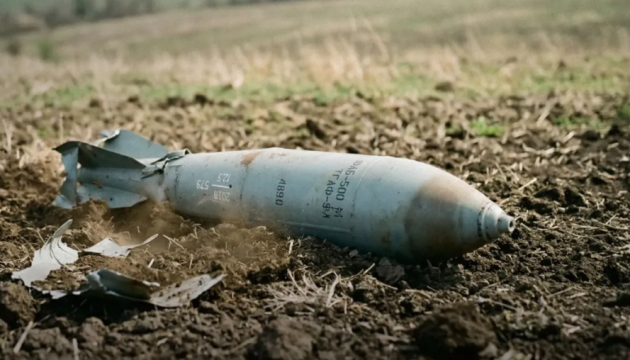
Photo: Ukrinform UA
At a glance
- Russian forces dropped 7,987 guided bombs on Ukraine in March 2026.
- This number is over 1,500 more than in February 2026.
- 4,985 combat engagements occurred during March 2026.
- The highest single-day engagement was on March 17, with 286 incidents.
- More than 115,000 artillery strikes were reported in March 2026.
Why it matters
The rise in the use of guided bombs indicates a potential shift in Russian military tactics, aiming to increase pressure on Ukrainian defenses. This ongoing conflict continues to threaten the stability of the region and poses risks to civilians.
https://www.ukrinform.ua/rubric-ato/4108813-rosijska-armia-u-berezni-skinula-na-ukrainu-majze-8-tisac-kabiv-minoboroni.html
What Happened
In a report released on April 4, 2026, the Ministry of Defense of Ukraine indicated that during March, Russian forces dropped a total of 7,987 guided aerial bombs (КАБ). This marks an increase of more than 1,500 compared to February's total, raising alarms about the intensification of the conflict.
Key Details
The General Staff of Ukraine's Armed Forces reported that the intensity of combat activities remained high throughout March. A total of 4,985 clashes were recorded, with the peak of daily confrontations occurring on March 17, when 286 encounters took place.
Additionally, it was noted that the enemy conducted over 115,000 artillery strikes during the month, with 2,834 of these utilizing multiple launch rocket systems (РСЗВ). The ongoing hostilities have prompted significant concern among military analysts and the general population in Ukraine, as the frequency and severity of bombing runs continue to rise.
Why It Matters
The increased use of guided bombs suggests a strategic shift in Russian military operations, potentially aiming at undermining Ukraine's defensive capabilities. The sustained high number of artillery bombardments and military engagements indicates an ongoing, intense conflict that poses challenges not just for military personnel but also for civilian safety.
Background
Ukraine has been facing a prolonged military conflict with Russia since 2014, which escalated in intensity following the invasion in February 2022. The dynamics of warfare have evolved in this period, with both sides adapting their tactics to achieve battlefield advantages.
The March 2026 statistics serve as a stark reminder of the challenges faced by Ukrainian forces and the civilian population amidst continuous military operations by Russian troops.
Source: Ukrinform UA
This report is maintained as a live newsroom article. Headlines and top paragraphs may be tightened when fresh reporting changes the clearest angle.
Newsletter
Get the next Ukraine explainer
Receive concise explainers that turn complex Ukraine coverage into a clearer reading path.
Explainer standard
Explainers answer the obvious reader questions first.
Background is broken into shorter blocks for mobile reading.
Links point to the most useful related coverage, not generic archives.