News report
Russia Claims to Have Intercepted Nearly 300 Ukrainian Drones
Russia said it intercepted nearly 300 Ukrainian drones over several regions, presenting the overnight activity as one of the larger drone attacks reported on its territory in recent months.
Share this article
Share to social platforms, or copy the article link and share text manually.
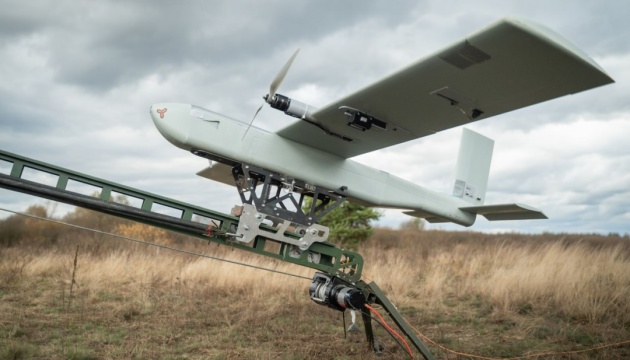
Photo: Ukrinform UA
At a glance
- Russian Defense Ministry claims nearly 300 Ukrainian drones intercepted.
- 280 drones destroyed across various Russian regions.
- 47 drones specifically targeted Moscow, according to Russian sources.
- Ukraine's strikes have hit critical infrastructure within Russia.
- Drone warfare is becoming a dominant tactic in the ongoing conflict.
Why it matters
The report matters because it reflects the growing scale of cross-border drone warfare and the increasing importance of strikes aimed at military, logistical, and energy-related targets inside Russia.
https://www.ukrinform.ua/rubric-ato/4101707-rosiani-zaavlaut-pro-masovanu-ataku-ukrainskih-droniv.html
Russia Reports Intercepting Nearly 300 Drones
Russia said its air defenses intercepted nearly 300 Ukrainian drones over multiple regions during a large overnight attack. According to the report, 47 of the drones were reportedly directed toward Moscow, while interceptions were also recorded in Bryansk, Kaluga, Belgorod, Tver, Smolensk, Kursk, and Krasnodar Territory.
If accurate, the scale described by the Russian side would make the incident one of the larger drone attack claims made in recent months. Even when such claims cannot be independently verified in full, the report still points to how central long-range drone activity has become in the war.
Wider Pattern of Cross-Border Pressure
The report linked the interceptions to a broader Ukrainian strategy of striking infrastructure and logistical assets inside Russia. It referred to operations against facilities such as the oil refinery in Afipsky and other sites considered relevant to Russia's supply network.
That context matters because these operations are not presented simply as symbolic retaliation. They are framed as efforts to complicate Russian logistics, increase pressure on rear-area infrastructure, and force Moscow to devote more resources to defense away from the active front.
Drone Warfare Keeps Expanding
The scale of the reported interceptions also illustrates how rapidly drone warfare has expanded on both sides of the conflict. What once looked like a supplementary tactic is now part of a broader contest over reach, disruption, and airspace pressure, including far from the front line.
This matters strategically because drones can be used not only to hit physical targets, but also to impose constant defensive costs. Even when most are intercepted, the defending side must still activate air defenses, protect infrastructure, and sustain political pressure associated with repeated attacks.
Why the Claim Matters
For readers, the significance of the Russian claim lies less in one dramatic number than in what it says about the direction of the conflict. Cross-border drone attacks are becoming larger, more regular, and more central to each side's attempt to weaken the other's military and logistical resilience.
That makes reports like this important even when the full operational picture remains contested. They point to a war in which rear-area targets, industrial infrastructure, and air-defense response are playing a larger role alongside frontline combat.
Source: Ukrinform UA
This report is maintained as a live newsroom article. Headlines and top paragraphs may be tightened when fresh reporting changes the clearest angle.
Newsletter
Get the next major Ukraine report
Follow the strongest verified developments with a cleaner newsroom brief and direct follow-up coverage.
Report format
Fast lead first, then fuller context.
Source photo stays distinct from any illustration.
Related coverage stays inside the same reporting thread.