Breaking news
Poland Scrambles Fighter Jets Amid Russian Missile Attacks on Ukraine
Poland launched military aircraft to ensure airspace security following a barrage of Russian attacks on Ukrainian infrastructure. The operation involved NATO support.
Share this article
Share to social platforms, or copy the article link and share text manually.
Developing story
This page is updated as verified details move. The lead and top sections are tightened first when the clearest confirmed angle changes.
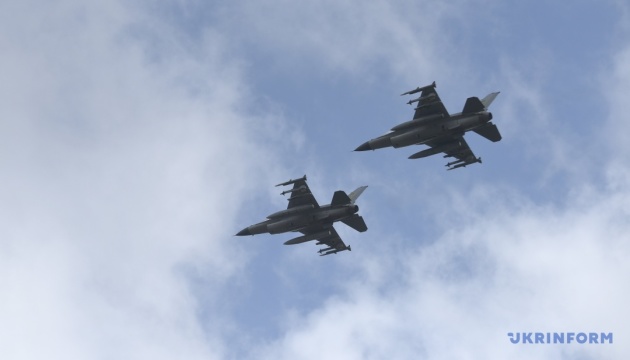
Photo: Ukrinform EN
At a glance
- Poland scrambled fighter jets following Russian missile strikes on Ukraine.
- The operation involved cooperation with NATO allies, enhancing regional security.
- Ukrainian air defenses successfully intercepted a significant number of projectiles.
- The attack resulted in civilian casualties and damage to critical infrastructure.
- Poland's rapid response signals heightened vigilance amid ongoing threats.
Why it matters
Poland's decision to scramble jets underscores the seriousness of the threat posed by Russia's missile attacks on Ukraine. It also highlights the importance of NATO solidarity in responding to regional security challenges and protecting airspace.
https://www.ukrinform.net/rubric-ato/4101512-poland-scrambles-fighter-jets-amid-russian-missile-attack-on-ukraine.html
Polish Military Response
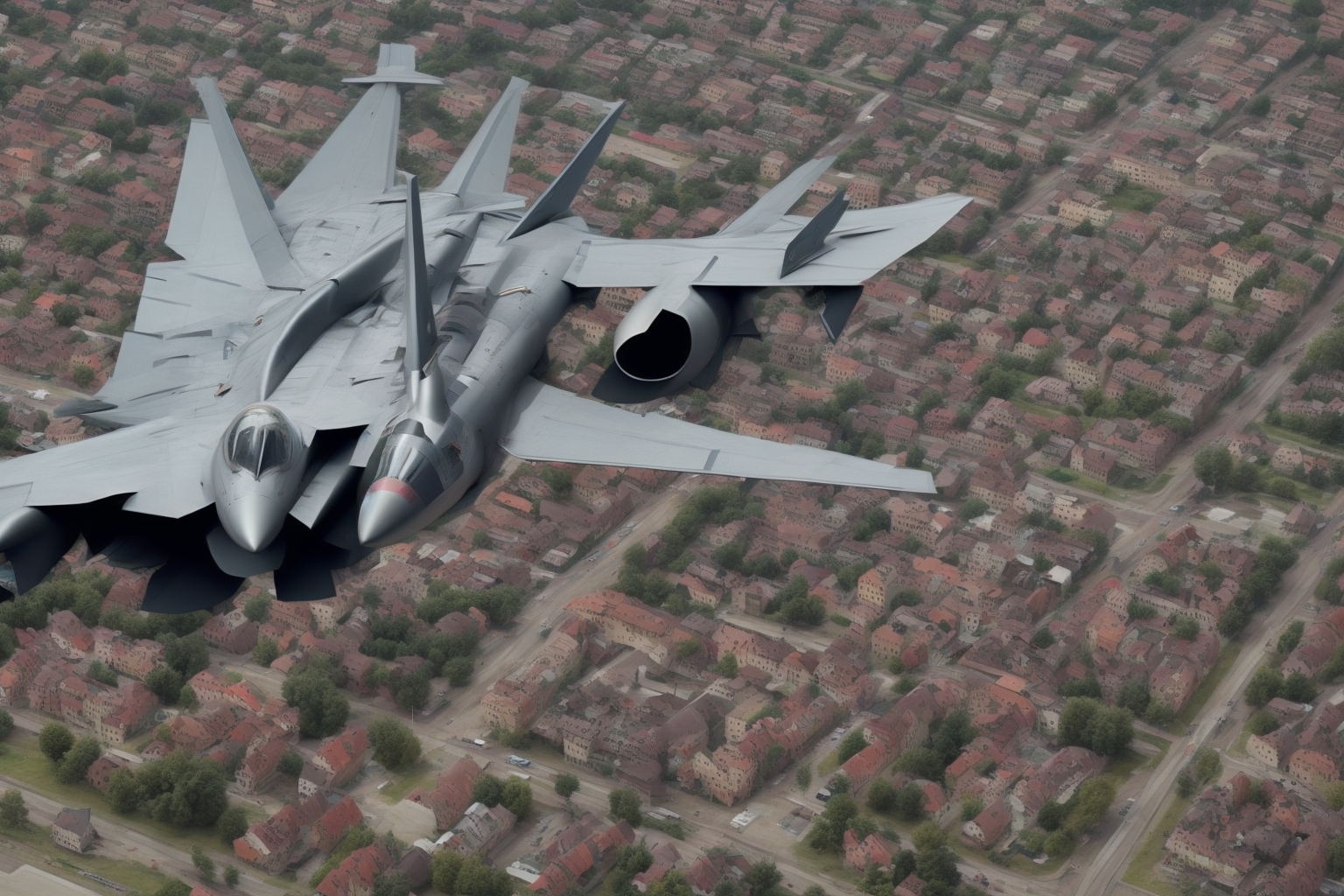
Poland scrambled fighter jets overnight due to escalating Russian missile strikes on Ukraine's critical infrastructure.
Reports indicate that these strikes included over 430 drones and 68 missiles, affecting various regions across Ukraine. The Polish military's swift action was described as a precautionary measure against the activities of long-range Russian aviation.
NATO Collaboration
Polish aircraft operated alongside NATO allies, specifically the German Air Force and the Spanish Air and Space Force. This collaboration emphasizes shared responsibility in patrolling Polish airspace to enhance security and respond promptly to threats.
Ground-based air defense systems and radar reconnaissance units were also placed on maximum alert, reflecting a vigilant military posture in conjunction with NATO capabilities.
Operation Eastern Dawn
The operation, entitled Operation Eastern Dawn, showcases Poland's commitment to regional security in light of ongoing Russian aggressions. Polish forces remain on alert, actively monitoring developments in Ukraine to prepare for any further escalations.
International military cooperation remains crucial in addressing security challenges posed by Russia. Reports indicate that during the recent missile barrage, Ukrainian air defenses successfully intercepted 58 missiles and around 402 drones.
Impact of the Attacks
The missile strikes resulted in tragic losses, claiming four lives and causing considerable damage to civilian infrastructure. President Zelensky emphasized the serious impact of these attacks, particularly on essential energy facilities.
Poland's enhanced military readiness highlights the fragile security environment in Eastern Europe, reinforcing NATO's vital role in mutual defense amidst ongoing regional threats.
Source: Ukrinform EN
This report is maintained as a live newsroom article. Headlines and top paragraphs may be tightened when fresh reporting changes the clearest angle.
Newsletter
Get the next breaking Ukraine update
Receive the fastest lead, key facts, and follow-up links in one concise newsroom note.
Breaking format
The lead carries the core fact first.
Key figures and locations stay near the top.
Related coverage tracks the same reporting line.