News report
Ukrainian Partisans Sabotage Key Railway Depot in Bryansk
The Ukrainian resistance movement ATEŠ has successfully attacked a railway depot in Bryansk, disrupting Russian military supply lines.
Share this article
Share to social platforms, or copy the article link and share text manually.

Photo: Ukrinform UA
At a glance
- Partisans targeted a crucial railway depot in Bryansk, Russia.
- The operation was executed by the resistance movement 'ATEŠ'.
- Another mainline electric locomotive was destroyed in the attack.
- Increased security measures by Russian forces failed to prevent the sabotage.
- The operation highlights vulnerabilities in Russian military supply chains.
Why it matters
The attack on the Bryansk railway depot showcases the effectiveness of Ukrainian partisans in targeting critical military infrastructure. Disrupting supply lines can significantly weaken Russian military operations along the border, potentially altering the dynamics of the conflict.
https://www.ukrinform.ua/rubric-ato/4099223-partizani-vlastuvali-diversiu-na-zaliznicnomu-vuzli-u-bransku-so-zabezpecue-vijska-rf-zbroeu.html
What Happened
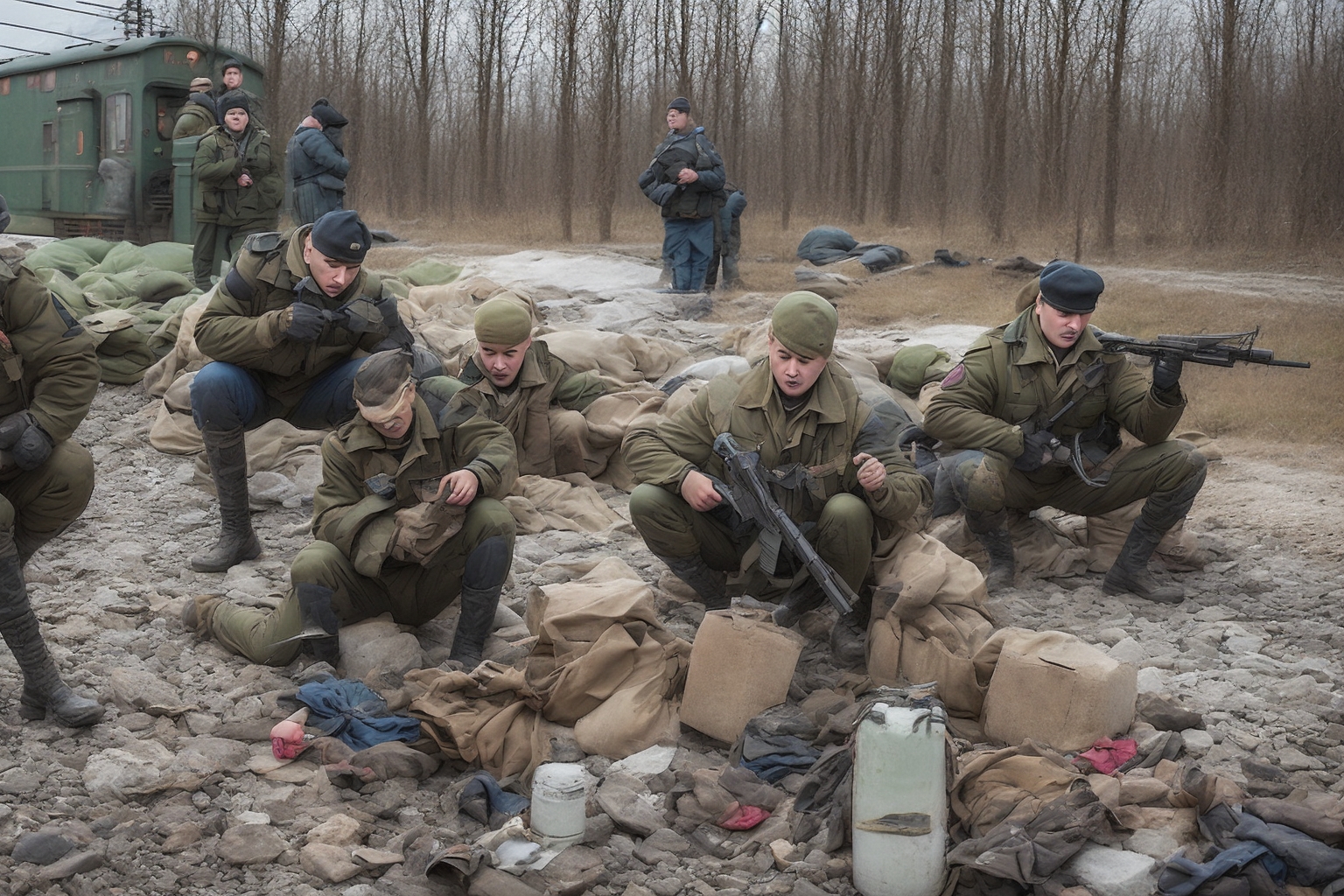
Ukrainian partisans executed a sabotage operation targeting a railway depot in Bryansk, Russia. This depot is essential for maintaining logistics for the Russian military grouping known as 'North', which has conducted operations in border regions of Ukraine.
According to a statement from ATEŠ, the same depot had been previously targeted in a successful operation last November. Despite heightened security measures from Russian forces, including added guards and surveillance, the partisans destroyed another mainline electric locomotive.
Key Details
This attack represents a significant setback for Russian military logistics, particularly for units providing air support in the conflict. The partisans emphasized weaknesses in Russian supply chains, stating, "While the FSB is busy writing reports about 'tightening measures', our people are calmly entering secured facilities and systematically destroying equipment meant to transport ammunition to the front."
This operation follows prior successes in disrupting critical railway connections used for military supplies. The Bryansk depot is pivotal for extending supply lines into areas controlled by Russian forces.
Why It Matters
This operation illustrates the capacity of Ukrainian partisans to disrupt Russian military logistics, potentially weakening their operational effectiveness along the border.
Background
The actions of ATEŠ not only impact Russian military capabilities but also demonstrate the resilience of organized resistance in occupied territories. These operations could compel the Russian military to reassess its logistical strategies due to the ongoing disruption of essential resource flows.
The involvement of Ukrainian partisans in these attacks signals a dynamic military landscape, necessitating adaptability in conflict strategies and providing a morale boost for those resisting occupation.
Source: Ukrinform UA
This report is maintained as a live newsroom article. Headlines and top paragraphs may be tightened when fresh reporting changes the clearest angle.
Newsletter
Get the next major Ukraine report
Follow the strongest verified developments with a cleaner newsroom brief and direct follow-up coverage.
Report format
Fast lead first, then fuller context.
Source photo stays distinct from any illustration.
Related coverage stays inside the same reporting thread.