News update
Netherlands Revives Efforts to Use Frozen Russian Assets for Ukraine
The Netherlands is resuming negotiations regarding the use of €210 billion in frozen Russian assets to assist Ukraine's defense in the coming year. The discussions were reported by Politico, citing six EU diplomats and officials.
Share this article
Share to social platforms, or copy the article link and share text manually.
Developing story
This page is updated as verified details move. The lead and top sections are tightened first when the clearest confirmed angle changes.
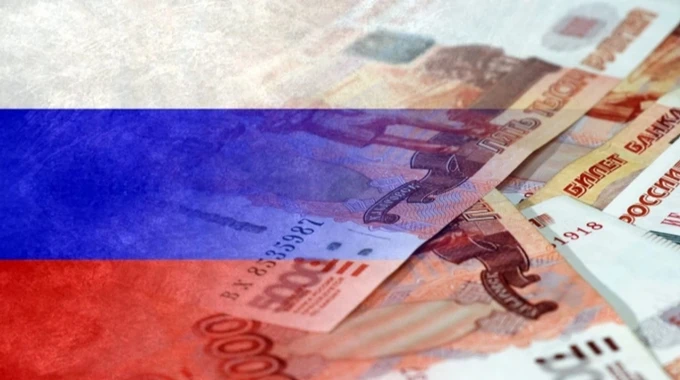
Photo: Ukrainska Pravda UA
At a glance
- The Netherlands is negotiating the use of €210 billion in frozen Russian assets.
- Finance Minister Elko Hajn is seeking EU support for these discussions.
- Concerns persist about legal and political ramifications among EU countries.
- The European Commission warns against using frozen assets for Ukraine, fearing market implications.
- EU's €90 billion loan to Ukraine has yet to be disbursed, covering only part of the budget deficit.
Why it matters
The Netherlands' push to utilize frozen Russian assets presents a crucial financial lifeline for Ukraine amid ongoing conflict. Effective leverage of these funds could potentially stabilize Ukraine's defense efforts.
https://www.pravda.com.ua/news/2026/05/08/8033727/
What Happened
On May 8, 2026, the Netherlands confirmed its intention to reinitiate talks focused on the utilization of approximately €210 billion in frozen Russian assets. This move aims to provide financial support for Ukraine's defense initiatives over the next year.
According to Politico, discussions have already begun among EU member states. Minister of Finance, Elko Hajn, has reached out to his EU counterparts during closed debates in Brussels, seeking wider support for this initiative.
Key Details
One of the complicating factors surrounding the revival of discussions is the prospect of reigniting a legal, commercial, and political dispute that emerged late last year. The focus of concern lies particularly in how various EU member states may be compelled to address their own legal obligations regarding these assets.
Last December, Belgian Prime Minister Bart De Wever formally opposed the European Commission's proposals, voicing fears that Belgium could be obligated to return billions in Russian funds stored in Brussels if Moscow sought to reclaim them. Countries including Bulgaria, France, Italy, and Malta have expressed reservations regarding the European Commission's plans to repurpose frozen state assets for Ukraine.
The European Central Bank has consistently issued warnings that utilizing frozen funds could deter other governments from engaging in business within the eurozone. Despite these challenges, Hajn's initiative persists, particularly in light of the EU's failure to disburse any of the €90 billion loan package approved for Ukraine by the EU budget, designated to be allocated over the next two years.
This package aims to address just two-thirds of Ukraine's projected budget deficit by 2027. The European Commission continues to encourage Canada, the United Kingdom, the United States, and Japan to contribute further funds.
Why It Matters
The unfreezing of Russian assets for Ukraine could provide crucial financial resources amidst ongoing military expenditures. As the conflict with Russia develops, continued support from European partners remains vital for Ukraine to meet its defense needs.
Background
Negotiations around the use of frozen Russian assets have been contentious, with significant pushback from several EU nations. The idea was previously put forth but faced delays due to concerns over potential retribution from Russia.
In February, EU’s chief diplomat, Kaja Kallas, indicated a willingness to revisit earlier proposals linking the loan to these frozen assets as Hungary lifted its veto after recent elections. Ukrainian President Volodymyr Zelenskyy has emphasized that fears of Russian retaliation have hampered the execution of initial plans for reparations based on these assets.
Overall, the recovery of these funds remains a complex and divided issue among EU members.
Source: Ukrainska Pravda UA
This report is maintained as a live newsroom article. Headlines and top paragraphs may be tightened when fresh reporting changes the clearest angle.
Newsletter
Get the next Ukraine update
Track the latest policy, diplomacy, aid, and security changes without losing the thread.
Update format
This template prioritizes developments over recap.
Context stays short and tied to the current turn in the story.
The page is designed for repeat readers checking what changed.