News report
Netherlands Pushes to Use Frozen Russian Assets to Aid Ukraine
The Netherlands aims to resume talks on the potential use of €210 billion in frozen Russian assets for Ukraine's support. This initiative was discussed in Brussels, according to sources.
Share this article
Share to social platforms, or copy the article link and share text manually.
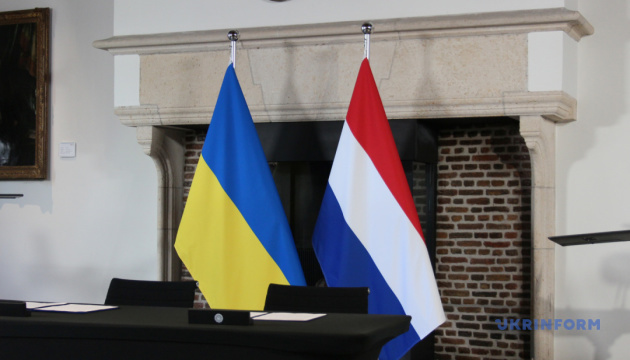
Photo: Ukrinform UA
At a glance
- Netherlands seeks to utilize €210 billion in frozen Russian assets.
- Discussions occurred during closed debates in Brussels.
- Concerns raised about sufficiency of €90 billion loan for Ukraine's needs.
- Belgium's opposition previously stalled progress on this initiative.
- European Central Bank warns of risks to eurozone trust.
Why it matters
The proposal highlights the urgent need for continued financial support for Ukraine as it grapples with an ongoing conflict. Resuming discussions on frozen Russian assets could provide vital resources to address Ukraine's budget deficits.
https://www.ukrinform.ua/rubric-polytics/4121094-niderlandi-prosuvaut-ideu-vikoristanna-zamorozenih-aktiviv-rf-dla-pidtrimki-ukraini-politico.html
What Happened
The Netherlands has expressed a strong interest in resuming negotiations regarding the use of approximately €210 billion in frozen Russian assets to provide continued support for Ukraine. This announcement was made during closed discussions in Brussels involving Dutch Finance Minister Elko Heinen.
Key Details
According to Politico, European diplomats have voiced concerns that the previously agreed-upon €90 billion loan may fall short of meeting Ukraine's anticipated needs in the coming years. The current funds are aimed at covering only a portion of the projected budget deficit in Ukraine leading up to 2027.
In light of the ongoing financial strain on Ukraine, several nations, including the Netherlands, have highlighted the necessity to revisit the topic of frozen Russian assets. However, this move may reignite debates within the European Union (EU), particularly given Belgium's past opposition to utilizing these assets.
Belgium holds the majority of the frozen funds, leading to fears over potential legal and economic ramifications should Russia attempt to reclaim its assets. Furthermore, the European Central Bank has expressed concerns regarding the impact such a mechanism might have on the trust of other countries in the eurozone’s financial stability.
Why It Matters
If the war continues, Ukraine will require additional financial support for defense and state operations. The proposal from the Netherlands reflects growing recognition within the EU of the ongoing challenges Ukraine faces and the need for a robust response to its financial pressures.
Background
The Dutch government has committed to providing military and financial assistance to Ukraine on a long-term basis. As stated by Dutch Foreign Minister Tom Berendsen, the government remains dedicated to exploring the potential of utilizing frozen Russian assets. The context of the conflict and the financial landscape necessitates continuous support for Ukraine as it navigates its ongoing challenges.
Source: Ukrinform UA
This report is maintained as a live newsroom article. Headlines and top paragraphs may be tightened when fresh reporting changes the clearest angle.
Newsletter
Get the next major Ukraine report
Follow the strongest verified developments with a cleaner newsroom brief and direct follow-up coverage.
Report format
Fast lead first, then fuller context.
Source photo stays distinct from any illustration.
Related coverage stays inside the same reporting thread.