News report
NATO Rejects Russia's Claims on Drone Corridor for Ukraine
NATO has dismissed Russia's accusations that it provided a corridor for Ukrainian drones passing through its airspace. General Alexus Grinkevich stated this assertion is unfounded and that NATO poses no threat to Russia.
Share this article
Share to social platforms, or copy the article link and share text manually.
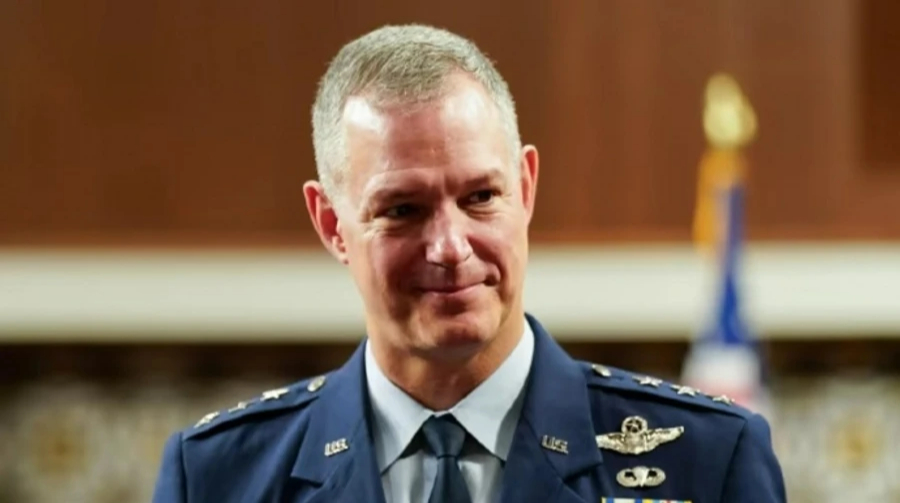
Photo: Ukrainska Pravda UA
At a glance
- NATO denies allowing a drone corridor for Ukrainian UAVs.
- General Grinkevich emphasized NATO's defensive nature.
- Romanian jet downed a Ukrainian drone in Estonia, escalating concerns.
- Ukraine apologized for the incident, asserting its right to target in Russia.
- NATO's position is intended to mitigate misunderstandings with Russia.
Why it matters
The NATO statement is critical in clarifying its stance as a defensive alliance, especially amid Russia's aggressive narratives. These developments impact NATO's relationships with its member states and the broader European security environment.
https://www.pravda.com.ua/news/2026/05/19/8035471/
What Happened
NATO officials have firmly rejected accusations from Russia regarding the alleged provision of a drone corridor for Ukrainian unmanned aerial vehicles (UAVs) passing through NATO airspace. General Alexus Grinkevich, NATO's Supreme Allied Commander in Europe, stated that NATO is completely a defensive alliance and has never permitted such drone activities, according to reports from Ukrainska Pravda.
Key Details
Reportedly, if NATO had indeed allowed UAVs to traverse through Baltic airspace into Russia, they would have been intercepted. Grinkevich emphasized that NATO’s role is not to threaten Russia.
He mentioned, "If they thought we were a threat to Russia, they wouldn’t have abandoned the Leningrad Military District to invade Ukraine." This statement came on May 19, following an incident where a Romanian fighter jet shot down a Ukrainian strike drone over Estonia on April 19. This event marked the first time a UAV was downed in Estonia’s airspace, leading to raised alert levels within the country.
The Ukrainian Ministry of Foreign Affairs issued an apology to Estonia for the unintended drone incidents. Despite this, Estonia’s Foreign Minister Margus Tsahkna noted that Ukraine retains the right to target sites within Russia.
Why It Matters
The NATO position reinforces its image as a defensive entity amidst rising tensions in Europe. This clarification also aims to de-escalate misunderstandings that could potentially heighten conflicts between NATO member states and Russia. The outcomes of these events play a significant role in the ongoing military and diplomatic landscape in the region.
Background
The NATO alliance consists of 31 member countries that are committed to mutual defense. The recent allegations from Russia appear to be part of a broader narrative concerning NATO's presence and Ukraine's military operations amidst ongoing conflicts.
Tensions between NATO and Russia have remained high since the annexation of Crimea in 2014 and during the current war in Ukraine, prompting frequent exchanges of accusations. Both NATO and Ukraine have stressed their commitment to defensive operations in the face of aggression.
In the context of drone usage, UAV technology has become increasingly central to modern warfare, and incidents involving miscommunication or mistaken identities can escalate tensions further. As the situation evolves, clarifications from both military and political leaders become crucial in maintaining regional stability.
Source: Ukrainska Pravda UA
This report is maintained as a live newsroom article. Headlines and top paragraphs may be tightened when fresh reporting changes the clearest angle.
Newsletter
Get the next major Ukraine report
Follow the strongest verified developments with a cleaner newsroom brief and direct follow-up coverage.
Report format
Fast lead first, then fuller context.
Source photo stays distinct from any illustration.
Related coverage stays inside the same reporting thread.