Breaking news
Estonian FM Affirms Ukraine's Right to Strike Russian Targets
Estonian Foreign Minister Margus Tsahkna stated that Ukraine has a legal and moral right to strike Russian military targets. His comments followed a drone incident that occurred over Estonian territory, as reported by Ukrinform.
Share this article
Share to social platforms, or copy the article link and share text manually.
Developing story
This page is updated as verified details move. The lead and top sections are tightened first when the clearest confirmed angle changes.
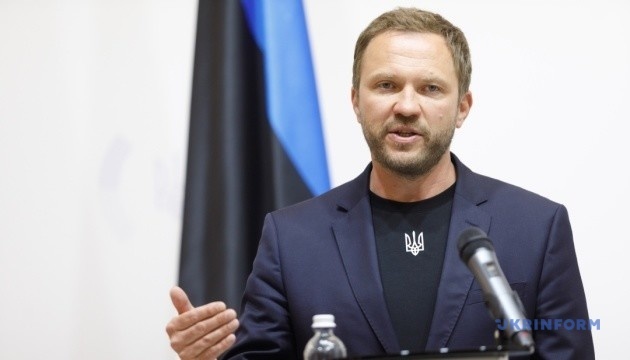
Photo: Ukrinform EN
At a glance
- Estonian FM claims Ukraine has the right to strike Russian military targets.
- Drone shot down over Lake Vortsjarv was likely of Ukrainian origin.
- Romanian F-16s quickly responded to the drone's incursion.
- Estonia is enhancing cooperation with Ukraine for joint air defense.
- The incident is a direct consequence of Russia's aggression in Ukraine.
Why it matters
The incident underscores the complexities of NATO's collective defense posturing and Ukraine's ongoing conflict with Russia. Support from Estonia reinforces Ukraine's military strategy and enhances regional security cooperation.
https://www.ukrinform.net/rubric-polytics/4125088-estonian-fm-on-drone-incident-ukraine-has-full-right-to-strike-russian-military-targets.html
What Happened
On May 19, 2026, a drone incident occurred in Estonian airspace, leading to a statement from Estonian Foreign Minister Margus Tsahkna. The incident involved a drone that was shot down by Baltic air defenses over Lake Vortsjarv after entering Estonia from nearby regions.
Tsahkna has publicly stated that Ukraine retains the full right to conduct strikes against Russian military installations amid ongoing conflicts stemming from Russia's invasion of Ukraine.
Key Details
The response to the drone's incursion demonstrated NATO's operational readiness. Romanian F-16s were deployed immediately from Siauliai in Lithuania, showcasing the alliance's commitment to defend its member nations.
Tsahkna expressed gratitude towards Romania and other allies for their quick response. He characterized the drone incident as a result of Russia's continuing aggression and provocations in the region.
Tsahkna emphasized that Ukraine's strikes against Russian targets are justified to reduce Russia's capacity for military aggression. He reiterated that incidents like the drone entering Estonian airspace directly correlate with the current geopolitical tensions caused by Russia's military actions.
The Estonian government is also increasing its collaboration with Ukraine to bolster air defense and counter-drone strategies, indicating a pivot towards enhanced security measures in response to regional threats. Estonian Defense Minister Hanno Pevkur confirmed that investigations are underway to determine the exact origin and intent of the drone.
Initial assessments suggest that the drone may have been Ukrainian in origin, possibly en route to strike targets within Russia. Ukrainian Foreign Ministry spokesperson Heorhii Tykhyi acknowledged the incident and offered an apology to Estonia, attributing the situation to the complexities introduced by Russian electronic warfare.
Why It Matters
This incident highlights ongoing tensions between NATO members and Russia, illustrating the broader implications of Ukraine's conflict with its neighbor. By asserting its right to strike, Ukraine gains support from its allies, further legitimizing its military strategy against Russian aggression. Enhanced cooperation between Estonia and Ukraine signals a shared commitment to regional stability and defense.
Background
The drone incident reflects the broader context of escalating military tensions in Eastern Europe, characterized by Russia's war against Ukraine. Increased surveillance and military patrols by NATO allies have become a standard response to perceived threats from Russian forces.
As Ukraine continues to defend its territory, interactions with neighboring countries like Estonia are fostered through mutual defense initiatives. This incident marks yet another point of contention in the complex geopolitical landscape of the region and reflects ongoing efforts to bolster national security measures among Baltic States and their allies.
Source: Ukrinform EN
This report is maintained as a live newsroom article. Headlines and top paragraphs may be tightened when fresh reporting changes the clearest angle.
Newsletter
Get the next breaking Ukraine update
Receive the fastest lead, key facts, and follow-up links in one concise newsroom note.
Breaking format
The lead carries the core fact first.
Key figures and locations stay near the top.
Related coverage tracks the same reporting line.