News report
Investigation Exposes Russia's ‘Gray’ Logistics Schemes
A European investigation has uncovered how Jenty, a Belarusian logistics firm, facilitates Russia's evasion of EU sanctions. Ukraine’s sanctions chief, Vladyslav Vlasiuk, commented on the findings reported by Ukrinform.
Share this article
Share to social platforms, or copy the article link and share text manually.
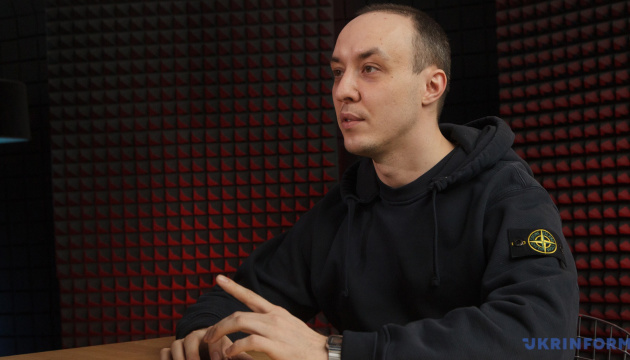
Photo: Ukrinform EN
At a glance
- Jenty, a Belarusian logistics firm, facilitates Russia's sanctions evasion.
- The scheme came to light after a truck accident in Stockholm.
- EU sanctions introduced in April 2022 restrict Russian and Belarusian transport.
- A subcontractor used by Jenty is formally tied to a Georgian citizen.
- Sanctions enforcement must address logistics chains, not just specific goods.
Why it matters
The investigation highlights significant vulnerabilities in sanctions enforcement, particularly regarding logistics networks. Effective sanctions are crucial for limiting Russia's military capabilities and ensuring compliance among international trade routes.
https://www.ukrinform.net/rubric-polytics/4132074-gray-logistics-schemes-allow-russia-to-circumvent-sanctions-vlasiuk-says-commenting-on-jenty-investigation.html
What Happened
On June 9, 2026, an investigation from European journalists revealed that Jenty, a Belarusian logistics holding, has created a network of companies to circumvent European Union sanctions against Russia. This discovery was based on a fatal accident involving a Jenty-branded truck near Stockholm, which was transporting medical products from Swedish pharmaceutical giant AstraZeneca to Russia.
Vladyslav Vlasiuk, Ukraine’s Presidential Commissioner for Sanctions Policy, made statements regarding the investigation's implications.
Key Details
The investigation showcased that the pharmaceutical trade itself is still permissible under EU regulations, as there are no restrictions on exporting medicines to Belarus or Russia. However, transport companies from these nations are barred from moving goods within EU territory.
This sanction was introduced in April 2022 due to Russia's invasion of Ukraine and Belarus's involvement. Over time, restrictions strengthened to prevent any operations by companies with more than 25% Russian or Belarusian ownership.
To navigate these bans, Jenty crafted a hidden logistics network. Kiel, a Polish subcontractor (registered to a Georgian citizen), was listed as handling AstraZeneca orders, while the vehicle used had Kazakh registration.
However, reports suggest that the entire setup is under the control of Jenty’s beneficiaries, including the family of Russian-Belarusian businessman Vasily Smetanin. This arrangement raises serious concerns about the handling of logistics chains necessary for effective sanctions enforcement.
Why It Matters
The ramifications of circumventing sanctions through deceptive logistics are significant. Not only does it undermine sanction integrity, but it also poses risks by allowing critical materials that could support Russia's military-industrial complex, including microelectronics, to flow through these illicit supply chains.
Ukraine has emphasized the necessity of thorough investigations into any signs of sanctions evasion.
Background
As part of broader efforts to penalize Russia for its aggression in Ukraine, the EU has continually updated its sanctions packages. The recent exposure of Jenty's operations underlines the need for a vigilant approach to enforce sanctions, not just on companies but on the logistics networks facilitating these trade routes.
Ukraine anticipates the findings of related investigations by Swedish authorities and seeks collaboration with international partners to combat sanctions evasion effectively.
Source: Ukrinform EN
This report is maintained as a live newsroom article. Headlines and top paragraphs may be tightened when fresh reporting changes the clearest angle.
Newsletter
Get the next major Ukraine report
Follow the strongest verified developments with a cleaner newsroom brief and direct follow-up coverage.
Report format
Fast lead first, then fuller context.
Source photo stays distinct from any illustration.
Related coverage stays inside the same reporting thread.