News report
Germany Dismisses Putin's Proposal for Schröder in Peace Talks
The German government rejected Russian President Vladimir Putin's suggestion to appoint former Chancellor Gerhard Schröder as a negotiator for the EU in Ukraine-Russia talks. This stance was reported by Suddeutsche Zeitung on May 10, 2026.
Share this article
Share to social platforms, or copy the article link and share text manually.
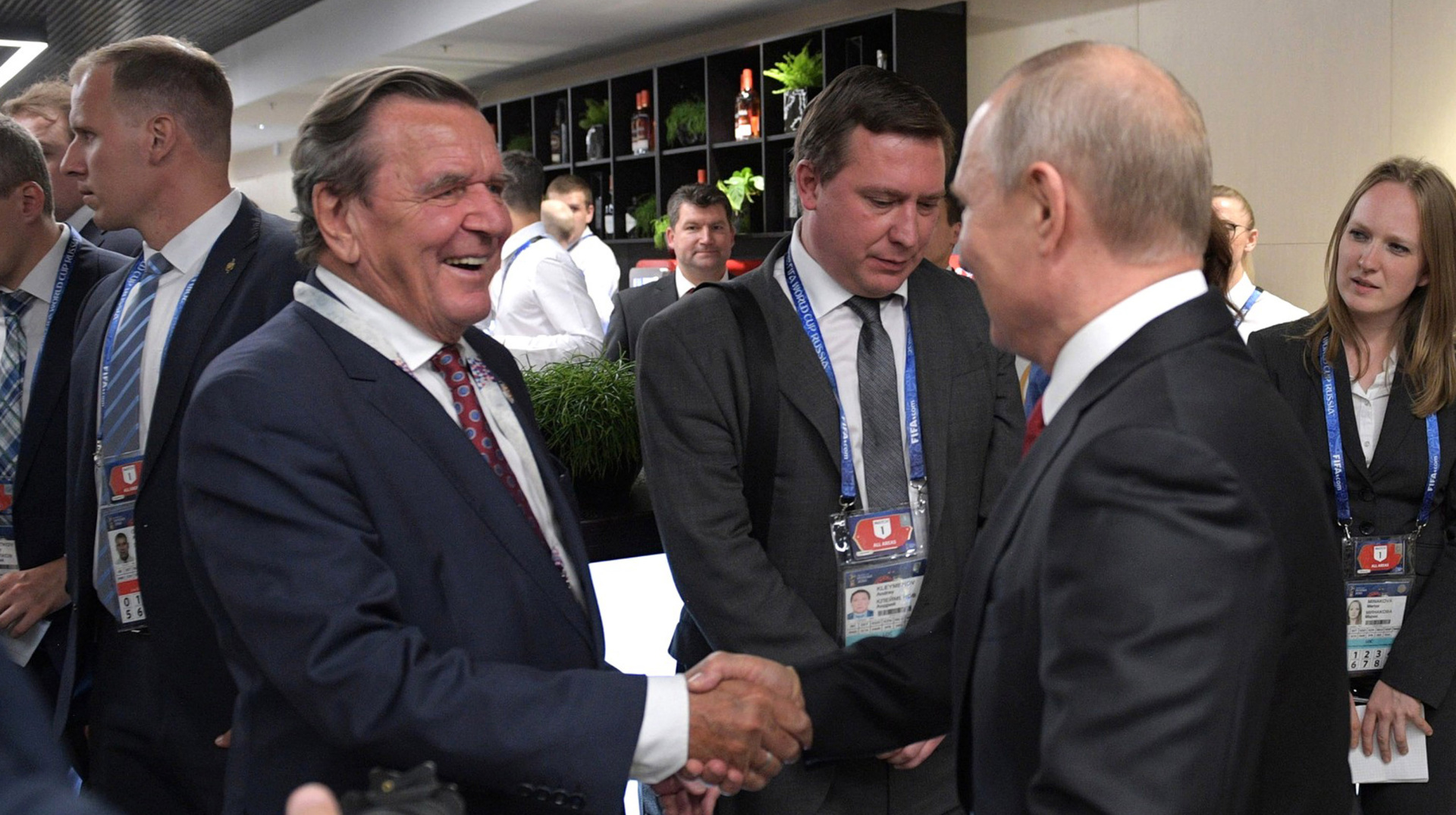
Photo: Ukrainska Pravda UA
At a glance
- Germany dismisses Putin's proposal to appoint Schröder as negotiator.
- Sources describe the idea as a 'pretend proposal' from Russia.
- Official Berlin emphasizes the need for expanded ceasefire for serious negotiations.
- Mixed reactions within the SPD reflect ongoing internal divisions about Russia.
- Schröder's past ties to Russia continue to draw criticism.
Why it matters
The German government's rejection of Putin's proposal represents its stance on navigating delicate negotiations with Russia amid the ongoing conflict. The mixed reactions within the SPD showcase internal debates on how best to address relations with Russia, especially when considering past leaders like Schröder.
https://www.pravda.com.ua/news/2026/05/10/8034072/
What Happened
On May 10, 2026, the German government responded to Russian President Vladimir Putin's proposal to appoint Gerhard Schröder as a negotiator representing the European Union in peace talks concerning the ongoing conflict between Russia and Ukraine. The suggestion was dismissed as insincere and part of Russia's hybrid strategies, according to sources cited by Suddeutsche Zeitung.
Key Details
Anonymous sources close to the German government conveyed skepticism and criticism regarding Putin's suggestion. They described it as another example of a 'pretend proposal' consistent with tactics that Russia has previously employed.
The German authorities emphasized that for Russia's intentions to be taken seriously, it would need to first expand the 'ceasefire' arrangement. Germany views the proposal for Schröder as not serious, largely due to Moscow's unchanged conditions concerning negotiations.
Discussions within the SPD, Germany's leading party, have shown mixed reactions, with some voices expressing a desire to consider the proposal more seriously. The official Berlin stance is reflective of a broader European sentiment that aims to prevent any division among EU member states regarding negotiations with Russia.
The proposal was met with both critical and supportive responses from within the SPD, illustrating a range of opinions on Schröder’s possible role in negotiations.
Why It Matters
Dismissing Putin's proposal reflects Germany's ongoing concerns about Russia's negotiation tactics during the conflict. Additionally, the mixed response from within the SPD party highlights ongoing divisions in Germany about how to respond to Russian overtures, particularly regarding figures with past ties to the Kremlin.
Background
Gerhard Schröder served as Chancellor of Germany from 1998 to 2005 and led the SPD from 1999 to 2004. His close relationships with Russian President Vladimir Putin and associations with Russian energy companies have drawn significant criticism.
Despite the ongoing war in Ukraine, Schröder has not distanced himself from the Kremlin. In January 2026, he advocated for the restoration of energy cooperation with Russia and warned against demonizing the country.
Within the SPD, attempts have been made to exclude Schröder from the party due to his controversial ties to Russia, but these efforts have thus far been unsuccessful. Putin’s suggestion adds a new dimension to the discussions within the party concerning Schröder's influence and the appropriateness of engaging with a figure seen as sympathetic to Russia.
Source: Ukrainska Pravda UA
This report is maintained as a live newsroom article. Headlines and top paragraphs may be tightened when fresh reporting changes the clearest angle.
Newsletter
Get the next major Ukraine report
Follow the strongest verified developments with a cleaner newsroom brief and direct follow-up coverage.
Report format
Fast lead first, then fuller context.
Source photo stays distinct from any illustration.
Related coverage stays inside the same reporting thread.