Breaking news
Five Injured in Russian Drone Attacks on Mykolaiv Region
Five people were injured in the Mykolaiv region due to Russian drone strikes on April 30. The attacks targeted vital energy and transportation infrastructure, according to reports.
Share this article
Share to social platforms, or copy the article link and share text manually.
Developing story
This page is updated as verified details move. The lead and top sections are tightened first when the clearest confirmed angle changes.
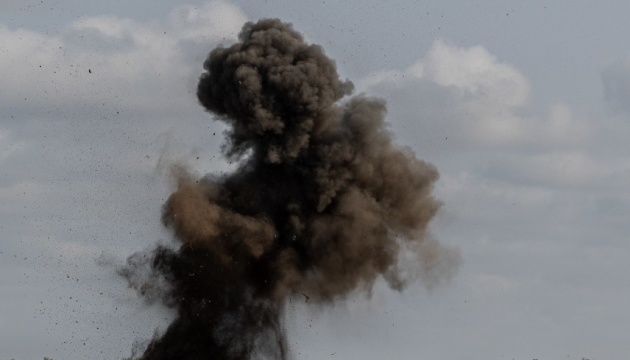
Photo: Ukrinform EN
At a glance
- Five individuals injured in Mykolaiv due to Russian drone strikes.
- Attacks targeted energy and transport infrastructure.
- A 49-year-old man hospitalized; others treated on-site.
- Power outages reported in Mykolaiv and Bashtanka districts.
- Previous attacks on April 24 resulted in injuries and damaged power lines.
Why it matters
The targeting of infrastructure exacerbates the humanitarian crisis in Ukraine. Ongoing attacks hinder recovery efforts and threaten the stability of essential services for civilians.
https://www.ukrinform.net/rubric-ato/4118076-russian-attacks-hit-energy-and-transport-infrastructure-in-mykolaiv-region-five-injured.html
What Happened
On April 30, 2026, the Mykolaiv region faced multiple drone strikes from Russian forces, resulting in injuries and damage to essential infrastructure. The Mykolaiv Regional State Administration reported these incidents via social media, detailing the impact on both energy and transportation sectors.
The attacks began on April 29 and persisted into the night, utilizing Shahed-type unmanned aerial vehicles (UAVs). News of the drone strikes has raised alarms about the ongoing vulnerability of critical infrastructure in Ukraine, particularly in regions close to the frontline.
Key Details
Reports indicate that five individuals were injured during these drone strikes. A 49-year-old man from Mykolaiv was hospitalized with moderate injuries, although his health has not worsened.
Additionally, three men aged 18, 45, and 47 received medical care on-site for their injuries, while a 69-year-old male from the Kutsurub community was treated and refused further hospitalization. The attacks led to power outages, affecting several settlements within the Mykolaiv and Bashtanka districts.
According to local power engineers, they have been engaged in restoration efforts since the attacks occurred. Dr. Valery Peresypko from the Mykolaiv Regional State Administration confirmed the ongoing efforts to restore electricity to affected areas.
Incidents of drone strikes were not limited to Mykolaiv. Reports from April 29 indicated that the communities of Ochakiv and Kutsurub experienced five similar attacks without casualties.
Earlier on April 24, a separate incident involving a drone attack resulted in two injuries and additional power outages due to damage inflicted on a power line.
Why It Matters
These drone attacks symbolize the persistent threat to civilian infrastructure amid the ongoing conflict. The targeting of energy and transport facilities underscores the broader implications for regional stability and public safety. Recovery efforts highlight the challenges local authorities face in maintaining essential services.
Background
The Mykolaiv region has been frequently subjected to hostilities due to its geographical proximity to frontline conflict areas. Civilian infrastructure, particularly energy facilities, has been a significant focus for Russian military operations.
This systemic targeting seeks to undermine Ukraine’s ability to function effectively during wartime, impacting everyday life for the local population. Ongoing drone attacks have continued to manifest a tactical approach employed by Russian forces aimed at compromising Ukrainian resilience.
As the situation continues to evolve, urgent attention is required to safeguard remaining infrastructure and ensure public safety in vulnerable regions like Mykolaiv.
Source: Ukrinform EN
This report is maintained as a live newsroom article. Headlines and top paragraphs may be tightened when fresh reporting changes the clearest angle.
Newsletter
Get the next breaking Ukraine update
Receive the fastest lead, key facts, and follow-up links in one concise newsroom note.
Breaking format
The lead carries the core fact first.
Key figures and locations stay near the top.
Related coverage tracks the same reporting line.