Explainer
Expert Discusses Russia-Iran Relations and Impact on Ukraine
Hanna Notte, Director of the Eurasia Nonproliferation Program, discussed the strategic partnership between Russia and Iran in a recent interview. Notte highlighted developments in the Middle East and their implications for Ukraine.
Share this article
Share to social platforms, or copy the article link and share text manually.
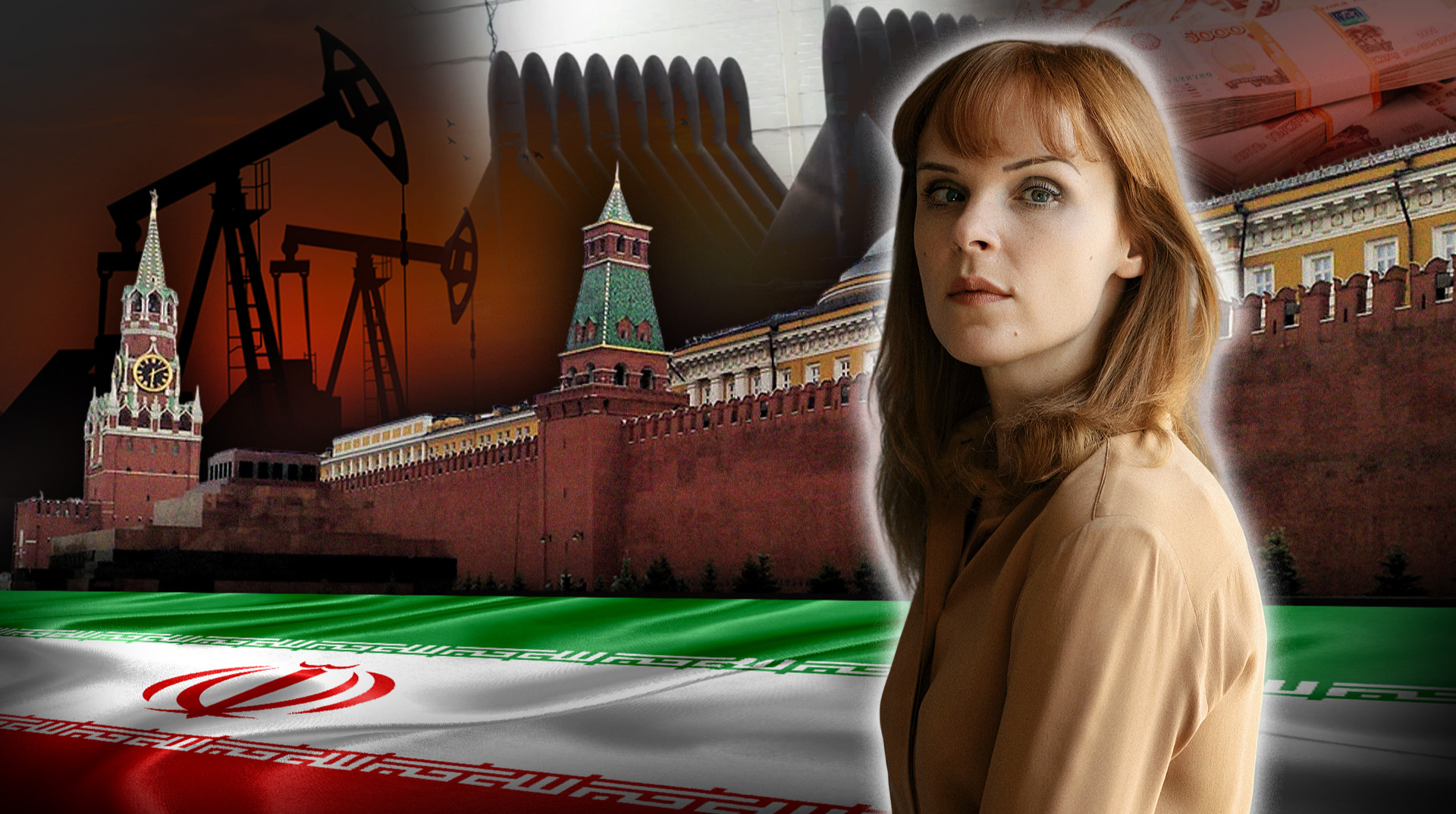
Photo: Ukrainska Pravda EN
At a glance
- Hanna Notte describes Russia and Iran as strategic partners, not allies.
- Russia's oil revenues significantly increased recently amid budget deficits.
- Prolonged conflict in Iran risks global economic repercussions.
- Ukraine is emerging as a new player in Middle Eastern diplomacy.
- Internal unrest in Iran could destabilize regional security.
Why it matters
The dynamics between Russia and Iran influence global energy markets and security frameworks, particularly regarding Ukraine. As Ukraine seeks newfound partnerships, understanding these relationships is crucial for international diplomatic strategies.
https://www.pravda.com.ua/eng/articles/2026/04/20/8030835/
What Happened
Hanna Notte, an expert on Russian foreign policy, provided insights into the evolving dynamics between Russia and Iran in a recent interview with Ukrainska Pravda. She emphasized that while Russia and Iran function as strategic partners, they are not allies.
This distinction is crucial for understanding their interactions in the context of the ongoing conflict in the Middle East. Notte reflected on her experiences in Moscow just before Russia's full-scale invasion of Ukraine on February 24, 2022, noting a general disbelief among locals regarding the impending conflict.
She stated that many assumed military actions were mere tactics rather than a full-scale invasion.
Key Details
According to Notte, the current war around Iran offers both opportunities and risks for Russia. In the short term, she indicated that Russia surged oil exports and saw increased prices recently.
The International Energy Agency reported that Russian oil revenues doubled from February to March, which comes at a critical time due to Russia's ongoing budget deficit. Notte also pointed out that a diversion of military resources, particularly Patriot interceptors, from Ukraine to U.S.
allies in the Persian Gulf could disadvantage Ukraine further. However, Notte cautioned about potential long-term risks associated with the conflict in Iran. She identified three primary concerns.
First, prolonged warfare could dampen global growth and lead to a recession, which, though beneficial for higher oil prices, would hurt Russian oil demand if global economies slow down. Second, Notte highlighted the possibility of internal unrest or even regime change within Iran, which could destabilize the region.
While the Iranian government appears stable currently, the situation remains fluid and unpredictable. Finally, Notte noted the emergence of Ukraine as a new player in Middle Eastern diplomacy, a role it had not held prior to the war.
Ukrainian President Volodymyr Zelensky has engaged in discussions for drone defense deals with Gulf states, demonstrating a shift in Ukraine's geopolitical standing and interests.
Why It Matters
The relationship between Russia and Iran has significant implications for international relations, particularly as it relates to Ukraine. Increased cooperation between these nations could lead to shifts in power dynamics that impact Ukraine's security and foreign policy positioning.
Additionally, Ukraine's newfound role in Middle Eastern affairs could create new avenues for support and partnership as the war continues.
Background
Hanna Notte, who leads research on Russian foreign policy and arms control, has spent considerable time studying how Russia extends its influence beyond its borders. Her insights reflect the complexities of international relations in the context of evolving alliances and regional conflicts.
With the ongoing war, the interplay between Russian, Iranian, and Ukrainian interests continues to evolve, shaping the future geopolitical landscape in unpredictable ways.
Source: Ukrainska Pravda EN
This report is maintained as a live newsroom article. Headlines and top paragraphs may be tightened when fresh reporting changes the clearest angle.
Newsletter
Get the next Ukraine explainer
Receive concise explainers that turn complex Ukraine coverage into a clearer reading path.
Explainer standard
Explainers answer the obvious reader questions first.
Background is broken into shorter blocks for mobile reading.
Links point to the most useful related coverage, not generic archives.