News report
EU Leaders Criticize Orbán's Blockade of Ukrainian Loan During Key Talks
Kosta's rebuke came during a video conference with Ukrainian President Zelensky focused on increasing EU assistance. Orbán's actions reveal significant divisions in EU foreign policy.
Share this article
Share to social platforms, or copy the article link and share text manually.
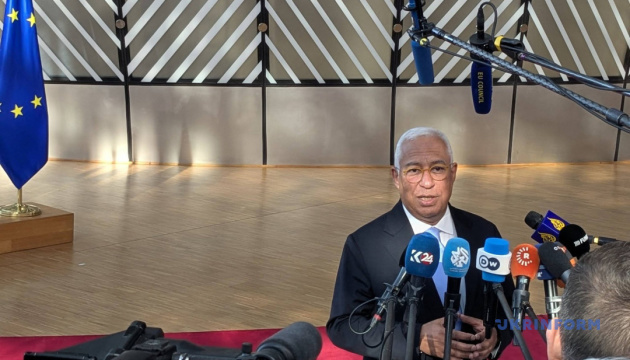
Photo: Ukrinform UA
At a glance
- António Kosta criticized Viktor Orbán for blocking a crucial loan for Ukraine, which raises questions of EU unity.
- Zelensky emphasized Ukraine's role as a dependable energy partner, highlighting the urgency of restoring oil transit.
- The meeting reinforced the need for cohesive EU support for Ukraine amidst ongoing conflict.
- Kosta called for constructive dialogue and urged leaders to avoid inflammatory public statements.
Why it matters
The tensions caused by Orbán's resistance to aid Ukraine highlight fundamental differences within the EU regarding foreign policy toward Eastern Europe. Such divisions may undermine the EU's collective response to external threats and jeopardize stability in the region, raising concerns about Hungary's commitment to collaborative European actions.
https://www.ukrinform.ua/rubric-polytics/4103424-lideri-es-pospilkuvalisa-iz-zelenskim-a-kosta-doriknuv-orbanu-za-povedinku-dzerelo.html
Orbán's Loan Blockade
During a recent video conference, European Council President António Kosta criticized Hungarian Prime Minister Viktor Orbán for halting a previously agreed $500 million loan to Ukraine. Kosta described this action as a violation of the principles of good faith and cooperation inherent to EU treaties.
The remarks come during heightened tensions surrounding the ongoing conflict in Ukraine, raising questions about the EU's commitment to supporting its neighbor in crisis.
Discussion on EU Assistance
Kosta's comments were made in a dialogue with Ukrainian President Volodymyr Zelensky, where they reviewed potential avenues for increased EU support. Both leaders recognized Ukraine's vital role as an energy partner for Europe.
Zelensky reiterated the importance of reinstating oil transit through the Druzhba pipeline for regional stability and energy security. The uncertainty surrounding energy supplies remains a significant concern for both Ukraine and the EU, urging the need for a cohesive approach among member states.
Importance of Dialogue
Kosta emphasized the need for constructive dialogue among EU leaders, urging them to avoid provocations. His comments followed inappropriate remarks from Zelensky regarding Orbán, highlighting the importance of maintaining respectful communication in complex geopolitical situations. Cooperation and respect among member states are essential for effective negotiations and collaboration.
Political Strains Within the EU
The political atmosphere within the EU is increasingly strained, particularly due to Orbán's hesitance to fully support initiatives benefiting Ukraine. Several EU leaders have stressed the necessity of collective decision-making and adherence to commitments established in December.
The ongoing situation regarding the Druzhba pipeline illustrates the complexities of energy reliance and its impact on diplomatic relations within the EU.
Future Challenges for EU Unity
As tensions continue, this dialogue between leaders indicates the challenges ahead for achieving solidarity among EU member states. Their interactions underscore the need for consistent engagement and a unified stance in support of Ukraine amidst external pressures. EU unity is critical for ensuring both regional and broader European stability, highlighting the delicate diplomatic balance needed during this crisis.
Source: Ukrinform UA
This report is maintained as a live newsroom article. Headlines and top paragraphs may be tightened when fresh reporting changes the clearest angle.
Newsletter
Get the next major Ukraine report
Follow the strongest verified developments with a cleaner newsroom brief and direct follow-up coverage.
Report format
Fast lead first, then fuller context.
Source photo stays distinct from any illustration.
Related coverage stays inside the same reporting thread.