Breaking news
Tragic Drone Strikes in Kharkiv Region Claim Two Lives
The recent drone strikes in Kharkiv led to the loss of two civilian lives and multiple injuries. Local officials are now investigating these attacks as war crimes.
Share this article
Share to social platforms, or copy the article link and share text manually.
Developing story
This page is updated as verified details move. The lead and top sections are tightened first when the clearest confirmed angle changes.

Photo: Ukrinform EN
At a glance
- Recent Russian drone strikes in Kharkiv have resulted in two civilian deaths.
- The victims were identified as an 81-year-old man and a 61-year-old man.
- Four individuals sustained injuries, including a woman who declined further medical treatment.
- The drone attacks occurred specifically in the Vovchansk community, affecting the villages of Riznykove and Bilyi Kolodiaz.
- Local authorities are investigating the incidents under war crimes statutes.
Why it matters
These drone attacks underscore the perilous conditions faced by civilians in Ukraine, drawing attention to the urgent need for international humanitarian aid and protection for those affected by the ongoing conflict. The classification of these attacks as war crimes emphasizes the legal and moral imperatives to address violence against civilians.
https://www.ukrinform.net/rubric-ato/4099153-enemy-attacks-civilians-in-kharkiv-region-with-drones-resulting-in-two-deaths.html
Overview of the Incident
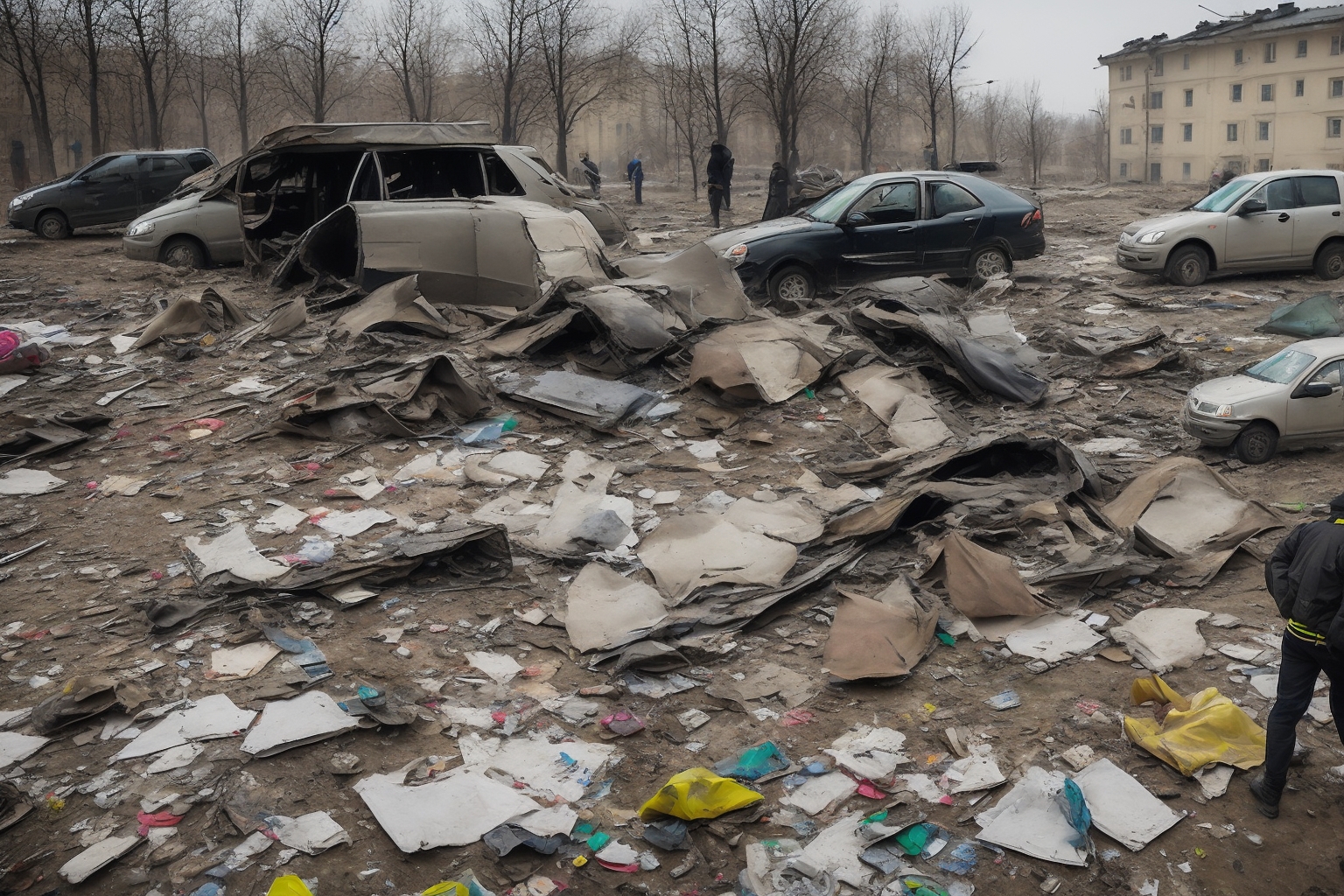
On March 7, a tragic escalation in the conflict in Ukraine occurred as Russian forces carried out drone strikes in the Vovchansk community of the Kharkiv region. The targeted strikes specifically impacted the villages of Riznykove and Bilyi Kolodiaz, where two civilians—a man aged 81 and another aged 61—lost their lives near a local post office.
This incident starkly highlights the growing brutality of the ongoing war and its devastating repercussions on innocent civilians. Among them was a 71-year-old woman who received immediate medical assistance at the scene but declined hospitalization, emphasizing the frightening reality that residents face as violence envelops their daily lives.
Legal and Humanitarian Concerns
In response to this tragedy, local law enforcement is actively documenting the event under Article 438 of the Criminal Code of Ukraine, which classifies such acts as war crimes. The increasing frequency of drone warfare in Ukraine continues to inflict severe harm on civilians, drawing significant concern from national and international human rights observers.
These drone attacks are part of a disturbing pattern that undermines civilian safety and exacerbates the already dire humanitarian crisis in the region. Local communities are left grappling with the impact of such violence, fostering an atmosphere of fear and insecurity.
Authorities are now urging residents to stay alert and report any suspicious activities, which is crucial for bolstering community safety amid the escalating conflict.
Importance of International Oversight
The implications of these strikes extend far beyond the immediate loss of life and injury; they highlight the urgent need for international attention to the plight of civilians caught in the crossfire of ongoing military operations. The war in Ukraine continues to ignite widespread humanitarian concerns, emphasizing the necessity for global action and support.
As hostilities continue, local authorities are committed to addressing these attacks and enforcing measures to protect civilian infrastructure and lives. The persistent threat of such assaults poses critical challenges for both residents and international observers, marking a critical juncture in the struggle to ensure civilian safety amidst warfare.
Source: Ukrinform EN
This report is maintained as a live newsroom article. Headlines and top paragraphs may be tightened when fresh reporting changes the clearest angle.
Newsletter
Get the next breaking Ukraine update
Receive the fastest lead, key facts, and follow-up links in one concise newsroom note.
Breaking format
The lead carries the core fact first.
Key figures and locations stay near the top.
Related coverage tracks the same reporting line.