News update
Debate over Corruption and National Security in Ukraine
For the past 12 years, Ukraine has grappled with a critical debate over whether to prioritize the fight against corruption or national security during wartime. This issue was prominently highlighted following the 2014 Maidan protests.
Share this article
Share to social platforms, or copy the article link and share text manually.
Developing story
This page is updated as verified details move. The lead and top sections are tightened first when the clearest confirmed angle changes.
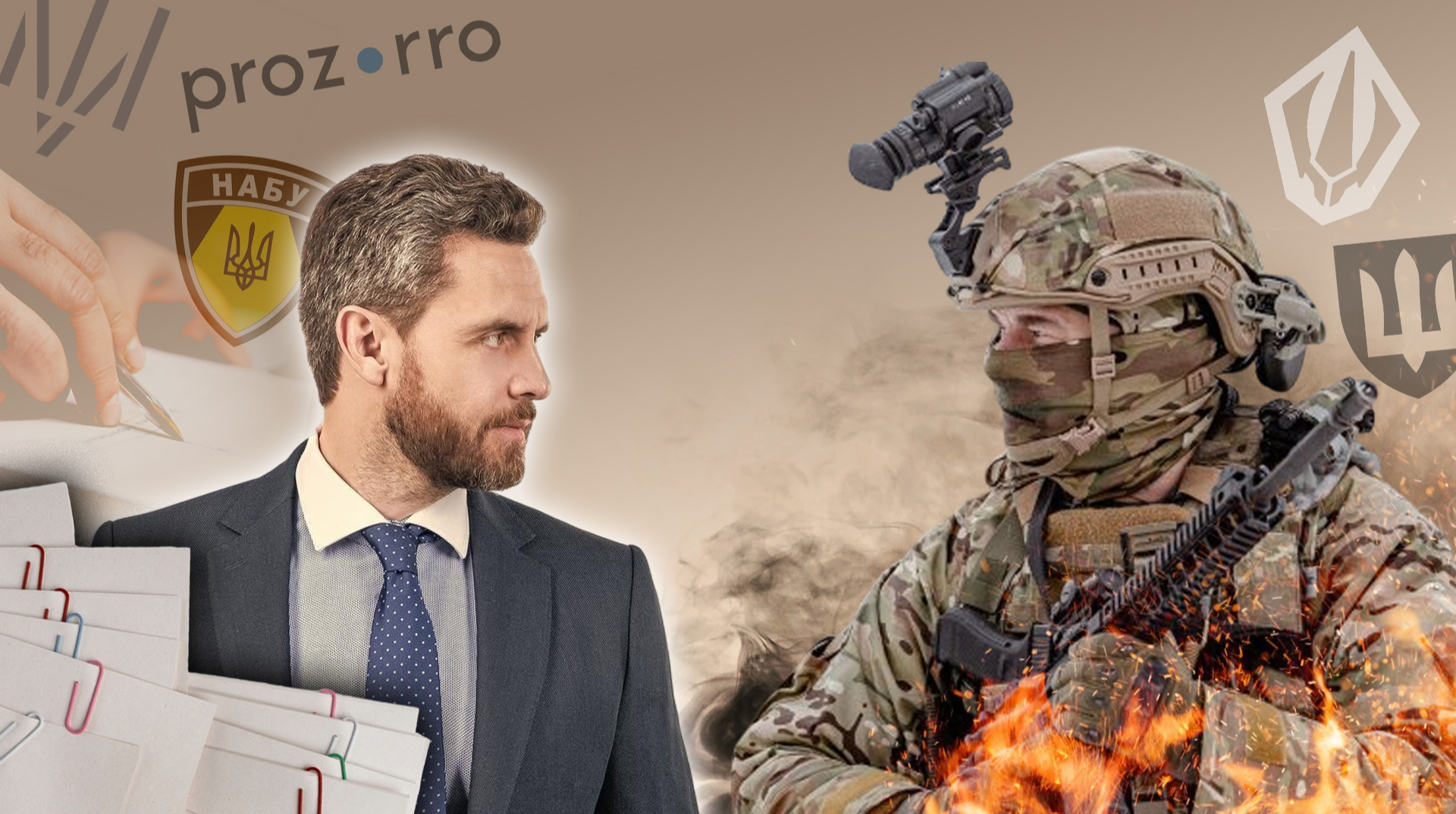
Photo: Ukrainska Pravda UA
At a glance
- Debate over prioritizing corruption vs. national security has persisted for 12 years.
- Anti-corruption initiatives emerged strongly after the 2014 Maidan protests.
- Military procurement processes often conflict with anti-corruption standards.
- Public sentiment has generally favored anti-corruption measures over national security arguments.
- Wartime conditions have shifted perspectives on governance and efficiency.
Why it matters
The ongoing debate between prioritizing anti-corruption and national security fundamentally shapes Ukraine's governance and defense capabilities. Reconciling these interests is crucial for maintaining public trust and military effectiveness.
https://www.pravda.com.ua/articles/2026/05/24/8035879/
What Happened
In a discourse that spans over a decade, Ukraine has faced a fundamental division between two opposing views: the prioritization of anti-corruption measures versus a focus on national security in the context of the ongoing war. This debate resurfaced significantly after the Russian invasion in 2014, which drastically shifted the nation's focus.
Prior to the Maidan protests, Ukraine's socio-political landscape was heavily influenced by corruption. The revolution catalyzed a strong public demand for anti-corruption reform, resulting in initiatives like the introduction of the electronic procurement system ProZorro, the establishment of public registries, and the creation of specialized anti-corruption bodies.
Key Details
- **Historical Context**: The division in priorities emerged following the Maidan protests, which coincided with the start of the Russia-Ukraine conflict in 2014. 2. **Two Ethical Approaches**: The first group prioritizes anti-corruption, arguing it is crucial for a state's ability to wage war effectively.
The second group emphasizes national security, contending that in war, the speed of decision-making may outweigh transparency. 3. **Impact on Military Procurement**: The procurement practices for military supplies often clash with anti-corruption standards, leading to ethical dilemmas in decision-making.
- **Public Perception**: Anti-corruption efforts have traditionally resonated more with the public, influenced by a longstanding distrust in government and bureaucratic systems. 5.
**Evolving Dynamics**: While anti-corruption measures continue to have significant public support, the realities of war have amplified calls for prioritizing the needs of national security.
Why It Matters
This ongoing debate has implications for Ukraine's governance and its ability to defend itself. The discord between anti-corruption efforts and national security priorities can affect military efficiency and public trust in government institutions. As Ukraine navigates these challenges, the resolution of this debate will be crucial for its future.
Background
The tensions surrounding this discussion have existed since the onset of systemic reforms after Ukraine's 2013-2014 Revolution of Dignity. Previously entrenched corrupt practices were seen as incompatible with the nation’s survival in times of conflict.
However, supporters of the national security approach argue that wartime conditions may necessitate unorthodox solutions that could challenge traditional anti-corruption values. Over the past decade, multiple incidents have exposed the ethical conflicts inherent between these two viewpoints, illustrating that the resolutions sought by both sides may have unintended consequences.
The war has intensified the struggles over these ethical considerations, prompting a reevaluation of long-standing beliefs about governance, accountability, and defense strategies in Ukraine. As the country continues to confront existential threats, the debates surrounding these dual priorities are likely to persist and evolve, shaping the future of Ukraine's political landscape.
Source: Ukrainska Pravda UA
This report is maintained as a live newsroom article. Headlines and top paragraphs may be tightened when fresh reporting changes the clearest angle.
Newsletter
Get the next Ukraine update
Track the latest policy, diplomacy, aid, and security changes without losing the thread.
Update format
This template prioritizes developments over recap.
Context stays short and tied to the current turn in the story.
The page is designed for repeat readers checking what changed.