News report
Baltic States Warn Against Normalizing Relations with Russia
Estonia, Latvia, and Lithuania have issued a strong warning against restoring normal relations with Russia. They assert that Europe's expectations for cooperation are unrealistic given Russia's continued aggression in Ukraine.
Share this article
Share to social platforms, or copy the article link and share text manually.
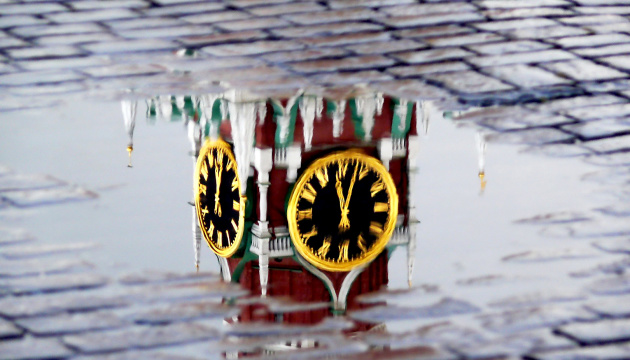
Photo: Ukrinform EN
At a glance
- Baltic states warn Europe against restoring ties with Russia.
- Estonian Foreign Minister emphasizes ongoing aggression from Moscow.
- Significant drop in trade between Baltic states and Russia since 2021.
- Baltic leaders played a key role in EU sanctions policy.
- Joint rejection of Russian claims on airspace usage by Baltic states.
Why it matters
The Baltic states are crucial in shaping Europe's response to Russian aggression. Their assertion against normalizing relations underscores a growing consensus on the need for sustained pressure on Moscow.
https://www.ukrinform.net/rubric-polytics/4115812-baltic-states-say-europe-cannot-return-to-prewar-relations-with-russia-bloomberg.html
What Happened
Estonia, Latvia, and Lithuania have cautioned European partners against attempting to revive normal relations with Russia following Moscow's full-scale invasion of Ukraine. The warning was reported by Bloomberg and reflects the Baltic states' deep concerns over Russia's ongoing aggressive actions.
The leaders of these nations emphasized that it is crucial for Europe to abandon any illusions that cooperation with the Kremlin might resume. According to Estonian Foreign Minister Margus Tsahkna, the prevailing sentiment in Europe is one of pressing Russia rather than reconsidering previous ties.
“No one takes seriously that there will be peace soon, and even after peace that Russia wouldn’t continue to be an aggressive country,” he stated.
Key Details
The Baltic states have been instrumental in shaping the EU's sanctions policy against Russia. Their perspective is shaped by significant economic transformations they have undertaken in recent years, particularly since the onset of the war.
After the full-scale invasion of Ukraine in February 2022, Estonia's then-Prime Minister Kaja Kallas moved on to lead the EU's foreign policy office. The trade relationship between the Baltic countries and Russia has drastically changed.
Bloomberg reports a staggering 91% drop in trade between 2021 and 2025, reflecting these nations' strategic pivot away from Russian resources. On April 10, the foreign ministers of Estonia, Latvia, and Lithuania jointly rejected Russian claims that their airspace had been used for Ukrainian strikes against targets in Russia.
They believe that these accusations are unfounded and stem from Russia's underlying aggressive posture towards Ukraine. Debris from Ukrainian drones has been discovered in their territories, leading to heightened calls for pressure on Moscow.
Why It Matters
The Baltic states' stance is significant in shaping European policy toward Russia. Their strong opposition to any normalization reflects a broader understanding within Europe about the risks of engaging with an aggressive Moscow. With their complete withdrawal from Russian energy resources and a reorientation of trade, the Baltic states are setting a precedent for other European nations.
Background
Since the start of the conflict in Ukraine, Estonia, Latvia, and Lithuania have taken a leading role in voicing concerns over regional security and advocating for stronger EU responses. Their position highlights a shift towards a more united European front against aggression.
As they continue to redefine their economic relationships and security strategies, these countries are influencing the EU's overall approach to relations with Russia. The geopolitical landscape in Eastern Europe remains unstable, and the Baltic states represent a critical viewpoint regarding the dangers of normalizing relations with an aggressive Kremlin.
Their responses to recent developments provide valuable insights into the future of EU-Russia relations.
Source: Ukrinform EN
This report is maintained as a live newsroom article. Headlines and top paragraphs may be tightened when fresh reporting changes the clearest angle.
Newsletter
Get the next major Ukraine report
Follow the strongest verified developments with a cleaner newsroom brief and direct follow-up coverage.
Report format
Fast lead first, then fuller context.
Source photo stays distinct from any illustration.
Related coverage stays inside the same reporting thread.