News report
71% of Ukrainians Consume Russian-Language Content Regularly
Approximately 71% of Ukrainians regularly consume Russian-language content, as reported by Deputy Prime Minister Tetyana Berezhna. Nearly a quarter of these individuals access such content daily.
Share this article
Share to social platforms, or copy the article link and share text manually.
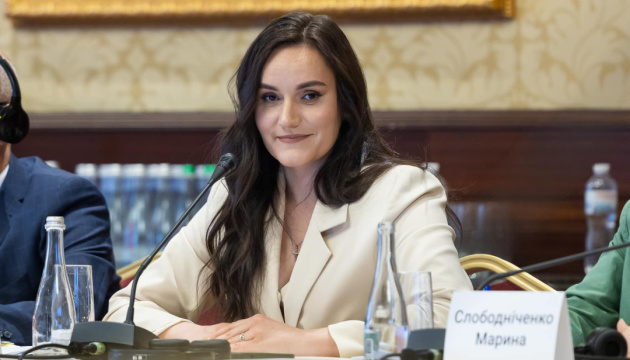
Photo: Ukrinform UA
At a glance
- 71% of Ukrainians consume Russian-language content regularly.
- Nearly 25% engage with this content daily.
- Media consumption is largely driven by access and habit, not ideology.
- Russian cartoons significantly impact cultural upbringing among children.
- New initiatives aim to enhance Ukrainian cultural content production.
Why it matters
The prevalence of Russian-language media in Ukraine illustrates the complexities of cultural influence amid ongoing conflict. Addressing this issue is vital for promoting a stronger Ukrainian identity and counteracting foreign propaganda.
https://www.ukrinform.ua/rubric-society/4115085-ponad-70-ukrainciv-regularno-spozivaut-rosijskomovnij-kontent-berezna.html
What Happened
Deputy Prime Minister of Ukraine, Tetyana Berezhna, disclosed that about 71% of Ukrainians regularly consume Russian-language media. This statistic was shared during a presentation on ways to reduce the influence of Russian content in Ukraine. She highlighted that nearly one-fourth of these viewers engage with such content daily.
Key Details
During her presentation, Berezhna expressed concern regarding the implications of this trend. She noted that despite ongoing military aggression from Russia, many Ukrainians continue to access its media.
This behavior is largely driven by the availability and ingrained habits related to Russian-language content, rather than ideological reasons. Berezhna pointed out that this situation is particularly troubling considering the profound impact of Russian media on the cultural identity of Ukrainians.
The consumption of such content not only promotes propaganda but also diminishes the value of Ukrainian identity and normalizes aggressive attitudes from Russia. Furthermore, Berezhna emphasized the effect of this media consumption on children.
Popular Russian-produced cartoons have amassed hundreds of millions of views, weaving Russian culture into the fabric of young Ukrainians' upbringing. The Deputy Prime Minister stated that the prevalence of Russian music in Ukrainian playlists, such as those on Apple Music, reflects this troubling trend.
She acknowledged that platforms like TikTok, Instagram, and YouTube operate on algorithms that suggest content based on user habits. This content addiction, she argued, has become difficult to reverse.
To counter this influence, Berezhna advocated for the creation of quality Ukrainian alternatives in media and entertainment. In response to the ongoing challenges, the Ministry of Culture and the Office of the President have initiated a program called “Tysyachovesna,” aimed at boosting the production of competitive Ukrainian cultural content.
The initiative strives to enhance accessibility and presence of Ukrainian works in the market.
Why It Matters
The consumption of Russian-language content poses significant challenges to efforts aimed at preserving and promoting Ukrainian identity. By acknowledging the widespread nature of this issue, the government can implement strategies to foster a robust Ukrainian cultural landscape.
This insight into media consumption patterns is essential for understanding the cultural dynamics at play in Ukraine, especially amid ongoing conflict.
Background
As Russia continues its military aggression, the influence of Russian culture through media becomes a focal point in discussions about national identity. Understanding why such a large segment of the population engages with Russian content is crucial for designing effective cultural policies. This discussion becomes increasingly urgent as the war in Ukraine marks its fifth year.
Source: Ukrinform UA
This report is maintained as a live newsroom article. Headlines and top paragraphs may be tightened when fresh reporting changes the clearest angle.
Newsletter
Get the next major Ukraine report
Follow the strongest verified developments with a cleaner newsroom brief and direct follow-up coverage.
Report format
Fast lead first, then fuller context.
Source photo stays distinct from any illustration.
Related coverage stays inside the same reporting thread.