Breaking news
Zelenskyy Announces Ceasefire Starting May 6
Ukrainian President Volodymyr Zelenskyy announced a ceasefire to begin at midnight on May 6. The decision was made public on May 4 through Zelenskyy's social media.
Share this article
Share to social platforms, or copy the article link and share text manually.
Developing story
This page is updated as verified details move. The lead and top sections are tightened first when the clearest confirmed angle changes.
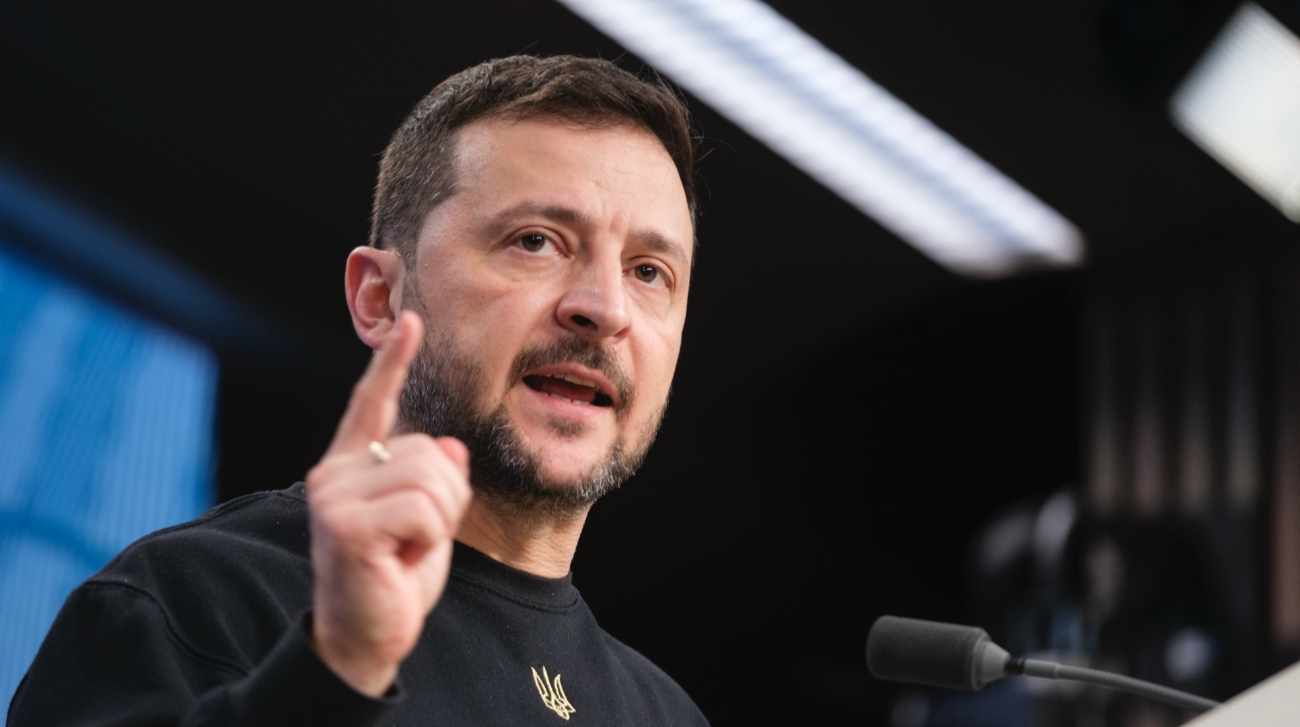
Photo: Ukrainska Pravda EN
At a glance
- Zelenskyy announced a ceasefire effective from midnight on May 6.
- No official ceasefire terms have been communicated by Russia.
- Zelenskyy called for reciprocal actions from Russia regarding hostilities.
- The ceasefire is linked to upcoming Russian Victory Day celebrations.
- Russia's Ministry of Defence previously declared a unilateral truce for May 8-9.
Why it matters
The ceasefire announcement presents a crucial opportunity for civilian safety amid ongoing conflict. It reflects the complexities of the situation and may affect diplomatic relations moving forward.
https://www.pravda.com.ua/eng/news/2026/05/04/8033147/
What Happened
Ukrainian President Volodymyr Zelenskyy has declared a ceasefire to start at 00:00 on the night of May 5-6. This announcement was made on May 4 and aims to create a period of silence amidst ongoing hostilities in the region.
The president indicated that no official request had been received regarding the terms of a ceasefire, despite discussions circulating on Russian social media. Zelenskyy stressed the importance of valuing human life above any commemorative celebrations.
Key Details
Zelenskyy stated that there is still time to implement silence before the ceasefire commences. He also emphasized the expectation for reciprocal actions from Russia, urging Russian leadership to take concrete steps towards halting the conflict that they initiated.
In reference to the upcoming Victory Day celebrations in Russia on May 9, Zelenskyy noted that these events are contingent upon Ukraine's goodwill. As tensions surrounding these dates increase, he remarked that it is "dishonest" for Russia to seek a ceasefire while continuing military actions against Ukraine.
On April 29, Russian aide Yuri Ushakov mentioned that President Vladimir Putin expressed readiness to announce a truce on May 9 during a phone call with former U.S. President Donald Trump.
Prior to Zelenskyy's announcement, the Russian Ministry of Defence declared a unilateral truce for May 8 and 9. They warned that any disruption to the Victory Day parade in Moscow would result in significant retaliatory missile strikes on Kyiv.
Why It Matters
The declaration of a ceasefire, even if temporary, reflects the ongoing complexities of the conflict between Ukraine and Russia. It may provide a brief period of respite for civilians amidst the hostilities, although past agreements have often been fleeting. Efforts to establish communication and gestures of goodwill may influence future diplomatic arrangements or negotiations between the countries.
Background
The conflict between Ukraine and Russia has seen numerous escalations since 2014, with significant military engagements continuing into 2023. The tension surrounding national commemorations, specifically Russia's Victory Day, frequently escalates hostilities.
Zelenskyy's administration has consistently reiterated its stance against accepting ceasefires that do not lead to lasting peace and security. In conclusion, the situation remains fluid, with potential implications for both domestic and international responses to the conflict.
Zelenskyy's call for a ceasefire sets the stage for a critical period in Ukraine's ongoing struggle for sovereignty.
Source: Ukrainska Pravda EN
This report is maintained as a live newsroom article. Headlines and top paragraphs may be tightened when fresh reporting changes the clearest angle.
Newsletter
Get the next breaking Ukraine update
Receive the fastest lead, key facts, and follow-up links in one concise newsroom note.
Breaking format
The lead carries the core fact first.
Key figures and locations stay near the top.
Related coverage tracks the same reporting line.