News report
Zelensky Urges Easter Ceasefire for Peace Amid Ongoing Conflict
President Volodymyr Zelensky announced a call for a ceasefire during the upcoming Easter holiday. He emphasized the need for a threat-free Easter and genuine progress towards peace.
Share this article
Share to social platforms, or copy the article link and share text manually.
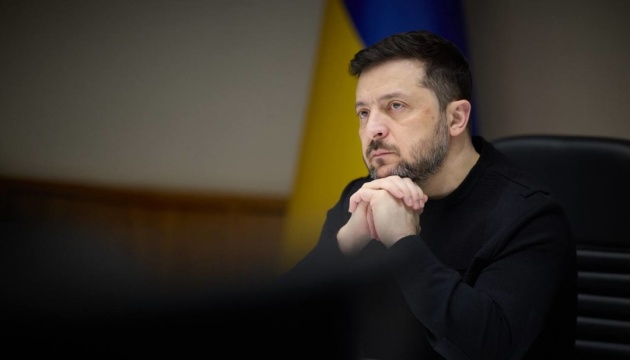
Photo: Ukrinform UA
At a glance
- Zelensky calls for an Easter ceasefire to avoid threats.
- Ukraine seeks mirrored actions from Russia towards peace.
- Putin announced a temporary halt to combat operations for Easter.
- The appeal aims to promote a humanitarian pause during festivities.
- International observers will monitor developments closely.
Why it matters
Zelensky's call for a ceasefire during Easter reflects a significant effort for peace, aiming to provide a safer environment for citizens. The potential cessation of violence could facilitate humanitarian efforts and subsequent peace talks.
https://www.ukrinform.ua/rubric-polytics/4110997-zelenskij-u-rosii-e-sans-ne-povertatisa-do-udariv-i-pisla-velikodna.html
What Happened
On April 10, 2026, Ukrainian President Volodymyr Zelensky made a statement regarding the potential for a ceasefire during the Easter holiday. In a message posted on Telegram, he articulated the importance of having an Easter free from threats, suggesting that there is a chance for Russia to refrain from military actions after the holiday.
This call for peace reflects Ukraine's consistent stance on seeking a better atmosphere for its citizens amidst ongoing hostilities.
Key Details
Zelensky expressed a desire for a ceasefire that would apply specifically during the Easter celebrations. According to his remarks, Ukraine has previously conveyed readiness for 'mirror steps' towards establishing a peaceful environment.
He reiterated that people deserve an Easter devoid of violence and urged real movement towards peace from all sides involved in the conflict. This declaration coincides with Russian President Vladimir Putin’s recent announcement of a temporary halt to military operations for the same occasion.
The implications of these statements indicate a potential window for diplomacy, although the feasibility of such a ceasefire will be closely observed by international observers. Zelensky's message serves as part of Ukraine's broader strategy to foster dialogue and possible reconciliation in light of persistent aggression.
Why It Matters
Zelensky’s appeal for a peaceful Easter is significant as it seeks to create a humanitarian pause during a time traditionally associated with family and unity. A ceasefire would not only allow for the celebration of the holiday without fear but could also set the groundwork for further negotiations aimed at resolving the conflict.
The global community is keenly watching how these developments unfold, particularly in relation to the humanitarian impact on civilians in war-affected regions.
Background
Ukraine has previously faced numerous escalations in conflict since the Russian invasion began. The relationship between Ukraine and Russia has been fraught with aggression, and calls for ceasefires have been pivotal in humanitarian discussions.
Instances such as this are crucial as they highlight the need for pathways to peace amid ongoing tensions. Zelensky's administration has emphasized the importance of reciprocated gestures from Russia to foster a stable ceasefire mechanism.
In past instances, ceasefires have shown varying levels of compliance from conflicting parties, and this scenario remains critical in understanding the diplomatic landscape in Eastern Europe. As both nations commemorate important cultural and religious traditions, the potential for a lull in hostilities presents both challenges and opportunities for dialogue.
Source: Ukrinform UA
This report is maintained as a live newsroom article. Headlines and top paragraphs may be tightened when fresh reporting changes the clearest angle.
Newsletter
Get the next major Ukraine report
Follow the strongest verified developments with a cleaner newsroom brief and direct follow-up coverage.
Report format
Fast lead first, then fuller context.
Source photo stays distinct from any illustration.
Related coverage stays inside the same reporting thread.