Breaking news
Zelensky Claims Russia Uninterested in Truce Amid Attacks
Ukrainian President Volodymyr Zelensky asserted on May 7, 2026, that Russia is not genuinely considering a ceasefire. This was reported amid ongoing military assaults by Russian forces.
Share this article
Share to social platforms, or copy the article link and share text manually.
Developing story
This page is updated as verified details move. The lead and top sections are tightened first when the clearest confirmed angle changes.
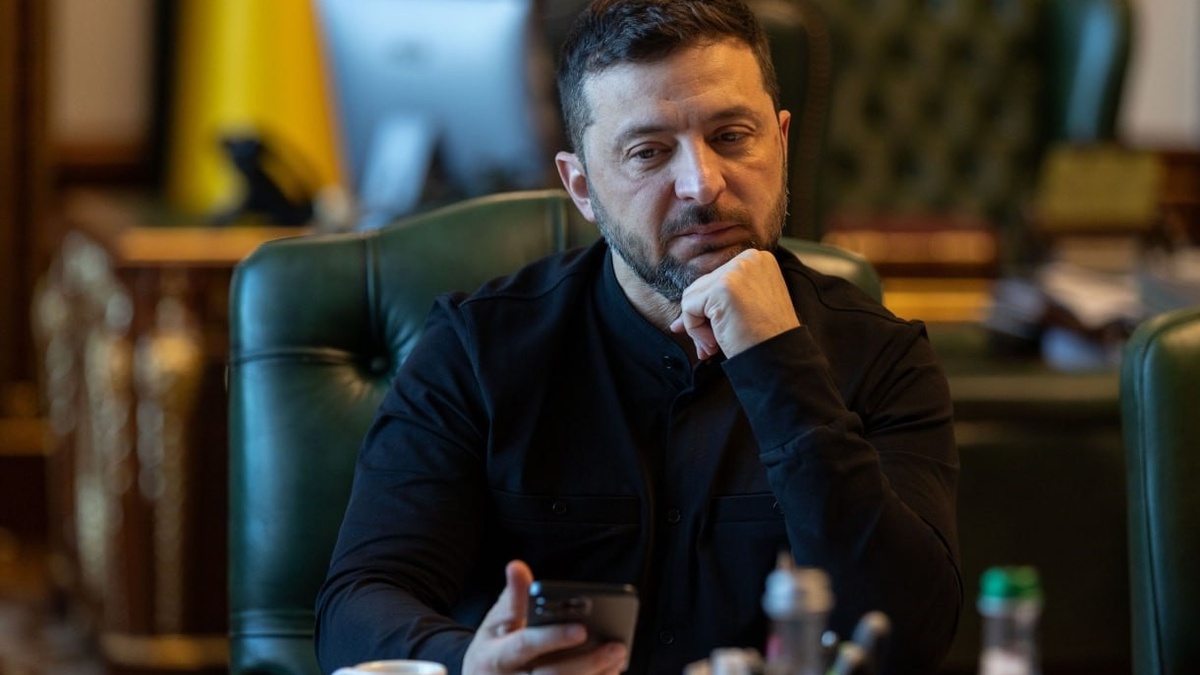
Photo: Interfax Ukraine
At a glance
- Zelensky claims Russia shows no serious interest in a truce.
- Around 100 drone strikes and numerous assaults were reported.
- Significant damage occurred in Kharkiv, Sumy, Donetsk, and Kherson.
- Ukraine proposed a ceasefire starting May 6, 2026, which was violated by Russia.
- Zelensky emphasizes a responsive military posture to Russian aggression.
Why it matters
The ongoing conflict influences regional stability and international relations, particularly concerning energy and humanitarian issues in Ukraine. Zelensky's statements reflect urgent realities faced by civilians and the strategic challenges for Ukrainian defense.
https://interfax.com.ua/news/general/1165635.html
What Happened
On May 7, 2026, Ukrainian President Volodymyr Zelensky made a statement regarding Russia's approach to the ongoing conflict. He indicated that Russia shows no serious intent to cease hostilities, focusing instead on a temporary silence on Red Square.
Zelensky's remarks followed reports of around 100 drone strikes, numerous assaults by Russian troops, and multiple airstrikes targeting key locations. He emphasized that these actions demonstrate Russia's lack of genuine interest in a truce.
Rather, he claimed, Russian leadership is preoccupied with ensuring a few hours of quiet in Moscow.
Key Details
Significant damage has been reported to civilian infrastructure in several Ukrainian regions, including Kharkiv, Sumy, Donetsk, and Kherson. Additionally, attacks were directed at locomotives and rail infrastructure across various areas, further emphasizing Russia’s continued aggression.
Zelensky criticized Russia for its ongoing military actions, stating, “Russia continues to kill people and is irrationally concerned only about a few hours of silence in one part of Moscow.” The Ukrainian president also noted that while Ukraine proposed a ceasefire starting on May 6, Russia violated this agreement, prompting Ukraine to respond appropriately with its own military measures. He stated, "In mirror order and in response to Russian strikes, we will use our long-range sanctions."
Why It Matters
Zelensky’s comments reflect the ongoing volatility in the region. The continuation of Russian attacks undermines any potential for peaceful resolution and raises concerns about civilian safety. The conflict's dynamics are crucial for international observers and policymakers, especially regarding Ukraine's energy security and civilian infrastructure resilience amidst the war.
Background
The conflict between Ukraine and Russia has persisted since 2014, with escalated violence noted recently as both sides engage in prolonged military confrontations. Ukraine, while advocating for peace, has faced continued aggression from Russian forces, forcing the government to continuously adapt its strategic responses.
Zelensky's administration has stressed the importance of international support in achieving a lasting peace, indicating that progress depends on understanding the complex motivations behind Russia’s military decisions. The Kremlin, through spokesperson Dmitry Peskov, announced a ceasefire for May 8 and 9, yet reactions to Ukraine’s proposed truce earlier were noticeably absent, raising further questions about Russia's commitment to peace negotiations.
Source: Interfax Ukraine
This report is maintained as a live newsroom article. Headlines and top paragraphs may be tightened when fresh reporting changes the clearest angle.
Newsletter
Get the next breaking Ukraine update
Receive the fastest lead, key facts, and follow-up links in one concise newsroom note.
Breaking format
The lead carries the core fact first.
Key figures and locations stay near the top.
Related coverage tracks the same reporting line.