News report
Cultural Beliefs Against Sleeping with Head Towards Doors
Sleeping with your head toward the door is viewed unfavorably across various cultures. The belief is rooted in both psychological factors and traditional practices.
Share this article
Share to social platforms, or copy the article link and share text manually.
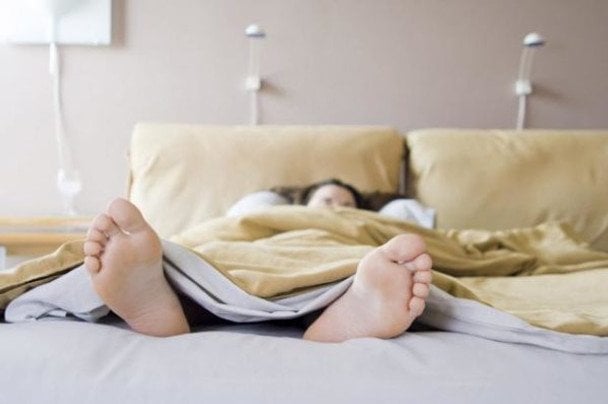
Photo: TSN Ukraine
At a glance
- Cultural beliefs discourage sleeping with head facing doors.
- Historical views link door positions to safety and vulnerability.
- Psychological factors heighten anxiety when sleeping in this position.
- Ergonomic reasons include exposure to drafts and discomfort.
- Advice suggests optimal bed placements to enhance relaxation.
Why it matters
Understanding the cultural and psychological implications of sleep positions can lead to improved well-being among individuals. By addressing these beliefs, people might adapt their environments for better health outcomes. This knowledge combines ancient cultural practices with modern scientific reasoning.
https://tsn.ua/tsikavinki/chomu-krashche-ne-spaty-holovoiu-do-dverey-shcho-kazut-tradytsiyi-poviria-erhonomika-3025094.html
Cultural Beliefs

Across many cultures, there is a belief that sleeping with one’s head facing the door is unwise. This conviction is particularly strong among Ukrainians, who view it through both psychological and comfort-related lenses.
Historically, doors symbolize a boundary between safety inside a home and potential dangers outside. Thus, when a person sleeps with their head near a door, they may be perceived as vulnerable to negative energies or harmful influences that could affect their well-being.
Psychological Impact
Folklore emphasizes the importance of sleep positioning linked to both mental and spiritual health. The proximity of the head to a door can impact one’s sense of security and awareness.
Survival instincts suggest that humans should be alert to potential threats. With the back of the head facing the door, individuals may find their subconscious stays vigilant, resulting in interrupted sleep and heightened anxiety.
Ergonomic Considerations
Improper positioning can hinder restful sleep, ultimately affecting physical and mental health. Ergonomically, having a bed’s head near a door may subject individuals to drafts or cold air, increasing the risk of muscle strain and discomfort.
Experts recommend positioning the bed so it allows for visibility of the entrance while minimizing exposure to drafts. Ideally, the bed should rest against a solid wall, away from windows and doors, fostering a sense of security. A diagonal bed placement relative to the door enhances comfort and sleep quality.
Conclusion
Aligning sleeping arrangements with both cultural beliefs and modern ergonomic principles may improve overall health. Understanding these perspectives helps individuals create conducive environments for restful sleep.
Source: TSN Ukraine
This report is maintained as a live newsroom article. Headlines and top paragraphs may be tightened when fresh reporting changes the clearest angle.
Newsletter
Get the next major Ukraine report
Follow the strongest verified developments with a cleaner newsroom brief and direct follow-up coverage.
Report format
Fast lead first, then fuller context.
Source photo stays distinct from any illustration.
Related coverage stays inside the same reporting thread.