Breaking news
Volgograd Oil Refinery Halts Operations After Drone Attack
The Volgograd oil refinery in Russia has ceased processing following a drone strike attributed to Ukraine. This incident occurred on May 29, resulting in fire and notable damage.
Share this article
Share to social platforms, or copy the article link and share text manually.
Developing story
This page is updated as verified details move. The lead and top sections are tightened first when the clearest confirmed angle changes.
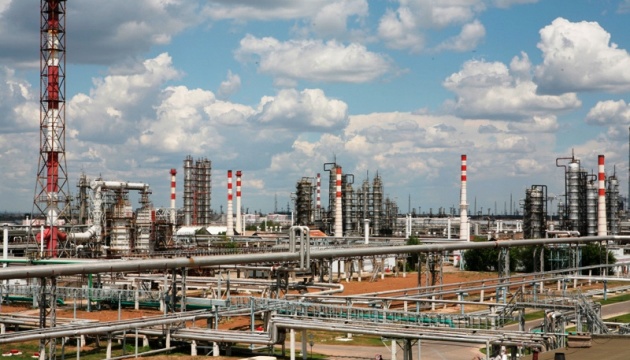
Photo: Ukrinform EN
At a glance
- Volgograd oil refinery halted processing due to a drone strike on May 29.
- The attack caused a fire and significant damage, leading to shutdowns of key operational units.
- The refinery is responsible for 5% of total Russian refining capacity with significant diesel and gasoline production.
- This incident follows coordinated Ukrainian strikes on various targets across Russia.
- The operational disruptions could impact fuel supply for both military and civilian use in Russia.
Why it matters
The closure of the Volgograd refinery may disrupt fuel supply lines in Russia, affecting both civilian and military operations. It also signals a more aggressive operational stance by Ukraine against critical infrastructure in Russia.
https://www.ukrinform.net/rubric-ato/4129436-volgograd-oil-refinery-halts-processing-after-drone-attack-reuters.html
What Happened
The oil refinery located in Volgograd, which is owned by Lukoil, halted all oil processing operations on May 29 after sustaining damage from a Ukrainian drone attack. A fire was reported on the facility's premises as a result of the strike.
The attack has led to the shutdown of multiple operational units at the refinery. Most notably, the crude distillation unit AVT-1, which accounts for 40% of the plant's processing capacity, is currently offline.
Additionally, the other distillation units, AVT-6 and AVT-5, have also been suspended.
Key Details
According to reports by Reuters and documented by Ukrinform, the Volgograd refinery processed approximately 13.5 million metric tons of oil in 2024. This volume represented about 5% of the overall processing capabilities within Russian refineries.
The refinery's output included 6 million tonnes of diesel fuel, 1.9 million tonnes of gasoline, and 700,000 tonnes of fuel oil. The Ukrainian drone strike targeting the Volgograd refinery followed a series of attacks on May 28 and early May 29.
The Defense Forces of Ukraine struck multiple sites across Russia, including areas like Zaporizhzhia, Kharkiv, Donetsk, Luhansk, Dnipropetrovsk, and Sumy. Among these targets was the Volgograd oil facility, which experienced a significant fire that led to operational halts.
Despite the ongoing conflict and the impacts of such attacks, the specifics regarding the strategic motivations behind the strike have not been publicly detailed by Ukrainian officials.
Why It Matters
The shutdown of the Volgograd refinery highlights vulnerabilities in Russian infrastructure amidst the ongoing conflict with Ukraine. The facility's operational capacity directly affects fuel distribution within Russia, potentially impacting military and civilian sectors alike. These developments indicate a continued shift in tactics by the Ukrainian military as they target critical infrastructure within Russia.
Background
The Volgograd oil refinery has been a significant player in the Russian energy sector. Owned by Lukoil, it is responsible for a portion of the fuel products used both domestically and for military needs.
As the conflict between Ukraine and Russia endures, the disruption of such facilities could represent a broader strategic effort by Ukraine to diminish Russia's capacity to sustain military operations. Recent actions indicate a focused approach by Ukrainian forces to target not only military assets but also key infrastructure that supports Russian operations.
This drone strike on the Volgograd facility signifies an escalation in Ukraine's operational reach and its commitment to counter operations within Russian borders.
Source: Ukrinform EN
This report is maintained as a live newsroom article. Headlines and top paragraphs may be tightened when fresh reporting changes the clearest angle.
Newsletter
Get the next breaking Ukraine update
Receive the fastest lead, key facts, and follow-up links in one concise newsroom note.
Breaking format
The lead carries the core fact first.
Key figures and locations stay near the top.
Related coverage tracks the same reporting line.