News report
US Senators Seek Sanctions on Hungary for Blocking Aid to Ukraine
The proposed sanctions come in response to Hungary's veto of a key loan aimed at aiding Ukraine. This bipartisan move reflects US discontent with Hungarian actions.
Share this article
Share to social platforms, or copy the article link and share text manually.
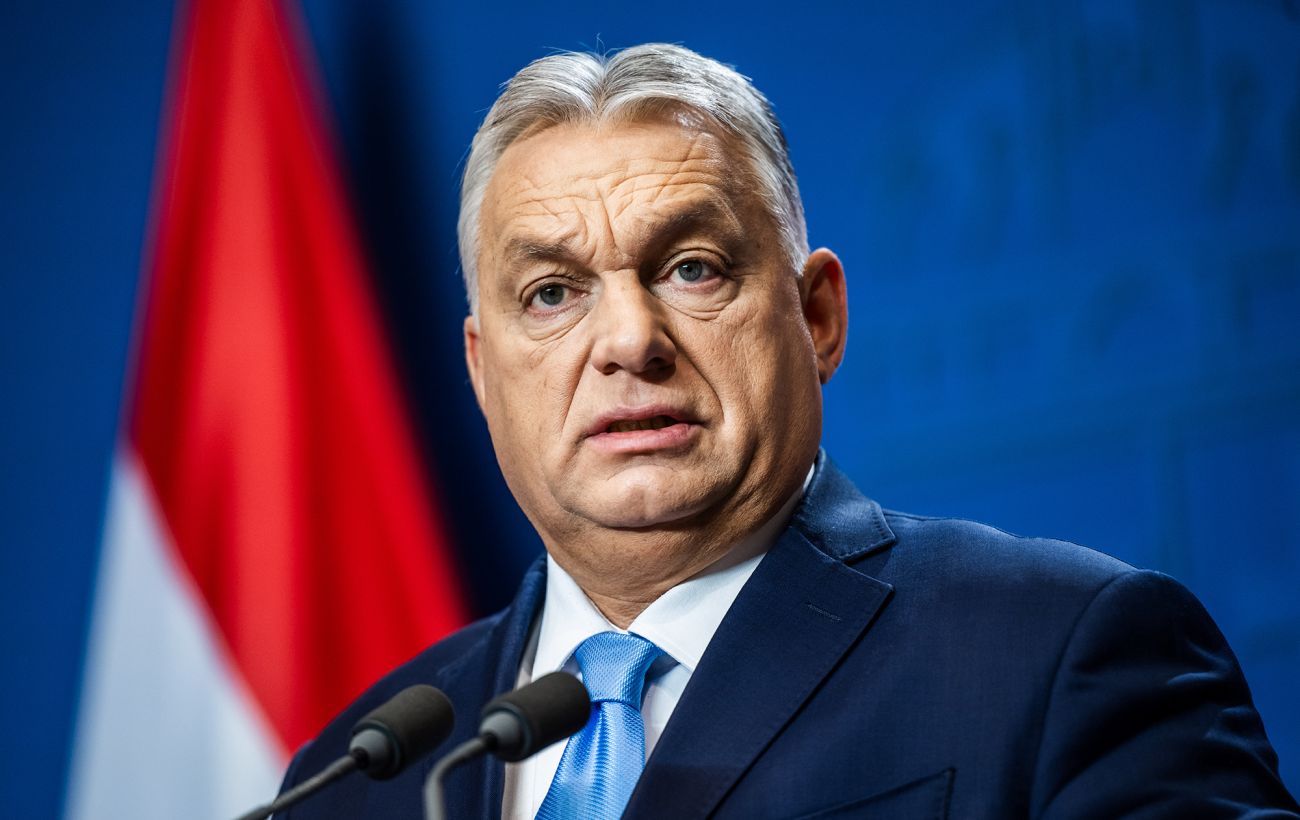
Photo: RBC Ukraine
At a glance
- Senators propose sanctions against Hungary for blocking Ukraine aid.
- Hungary's veto involves a €90 billion loan for Ukraine.
- Proposed bill is named the 'Blocking Putin' act.
- Sanctions target officials tied to Russian energy dependence.
- Secondary impact includes potential EU financial aid disruptions.
Why it matters
These proposed sanctions indicate significant US concern regarding Hungary's actions that jeopardize Ukraine's support and security. The sanctions could enforce accountability and encourage Hungary to align more closely with EU objectives to aid Ukraine.
https://www.rbc.ua/rus/news/senatori-ssha-hochut-vvesti-sanktsiyi-proti-1774589107.html
Proposal Overview
Senators Jeanne Shaheen and Thom Tillis have put forward a plan to impose sanctions on Hungarian officials who are obstructing critical aid to Ukraine. This proposal follows Hungary's recent veto of a €90 billion loan intended to support Ukraine, as reported by the Financial Times.
Key Details
The legislation, termed the "Blocking Putin Act," requires the US president to sanction Hungarian officials responsible for delaying crucial aid and those maintaining ties to Russian energy. Senators Shaheen and Tillis, co-chairs of the Senate NATO Observer Group, are expected to introduce the bill this week.
Senator Tillis stressed the importance of a cohesive response from the US and its allies to bolster Ukraine against Russian aggression. He indicated that the legislation aims not only to hold Hungarian officials accountable but also to provide an opportunity for Hungary to improve relations by reducing its dependency on Russian energy resources.
Senator Shaheen raised concerns about US Vice President Jay D. Vance's upcoming visit to Hungary, criticizing the Hungarian government for allegedly supporting funding for the Russian military. She advocated for uniform standards among allies in addressing the conflict in Ukraine.
The proposed sanctions do not explicitly mention Hungarian Prime Minister Viktor Orban, leaving the administration to decide which officials to target.
Background
In late 2022, the European Union ratified a €90 billion loan to Ukraine to enhance its defense amid ongoing conflict. Hungary's veto has delayed this critical funding, adversely affecting Ukraine's military capabilities and infrastructure.
President Volodymyr Zelensky has emphasized the significance of these funds for Ukraine's defensive and economic stability.
Source: RBC Ukraine
This report is maintained as a live newsroom article. Headlines and top paragraphs may be tightened when fresh reporting changes the clearest angle.
Newsletter
Get the next major Ukraine report
Follow the strongest verified developments with a cleaner newsroom brief and direct follow-up coverage.
Report format
Fast lead first, then fuller context.
Source photo stays distinct from any illustration.
Related coverage stays inside the same reporting thread.