News report
Ukrainians' Trust in NATO Shifts Amid Trump Influence
A survey conducted between March 7 and March 20, 2026, indicates a decline in Ukrainian trust towards NATO. The shift coincided with Donald Trump's return to power, according to research by Info Sapiens for the Center for New Europe.
Share this article
Share to social platforms, or copy the article link and share text manually.
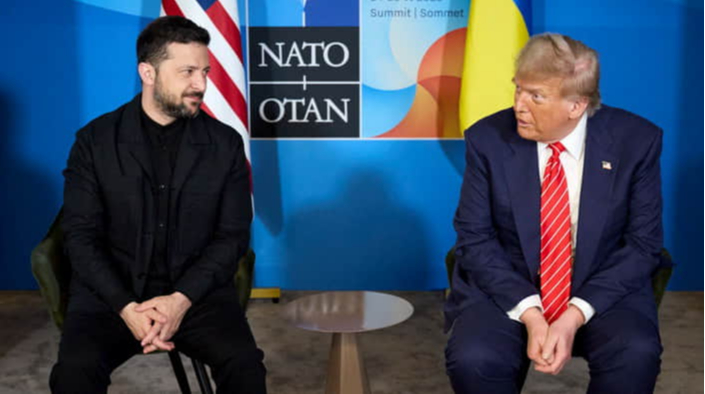
Photo: Ukrainska Pravda UA
At a glance
- 68.9% of Ukrainians support NATO membership.
- 54.7% express trust in NATO, while 41.5% do not.
- Trust in NATO has declined since prior surveys in 2024.
- Majority of respondents cite NATO's support for Ukraine as key to trust.
- Concerns over NATO's indecisiveness and insufficient aid contribute to distrust.
Why it matters
The findings indicate that Ukraine's relationship with NATO is critical for its security strategy. Trust in NATO influences public support for potential membership and reflects broader geopolitical concerns in the region.
https://www.pravda.com.ua/articles/2026/04/09/8029407/
What Happened
A recent survey shows that while a significant majority of Ukrainians support NATO membership, trust in the alliance has grown uncertain. Conducted by the Info Sapiens agency for the Center for New Europe, the survey measured public sentiment in Ukraine from March 7 to March 20, 2026.
The survey found that 68.9% of respondents favor NATO membership. However, feelings of trust in the alliance are mixed, with only 54.7% expressing confidence in NATO. Disturbingly, 41.5% indicated distrust, a slight decline since 2024 when 32.6% voiced skepticism.
Key Details
The research highlights a correlation between the decrease in trust and the absence of discussions about Ukraine's NATO membership. This trend has coincided with Donald Trump’s return to a position of influence in the U.S., which has raised concerns among allies about the security commitment from the United States.
The study reveals key factors affecting trust in NATO among Ukrainians. The top reasons for confidence include support for Ukraine (18.5%), perception of NATO as a formidable security alliance (10.8%), and guarantees of protection against external threats (11.8%).
In contrast, primary reasons for skepticism include insufficient aid to Ukraine (16.5%) and perceptions of NATO's indecisiveness or inaction in the face of aggression (11.0%).
Why It Matters
These findings reflect a complex relationship between Ukrainians and NATO as the alliance's assistance remains crucial to Ukraine's security landscape. Trust in NATO is influenced by direct support provided to Ukraine and the alliance's overall effectiveness perceived by the public.
Background
The changing perceptions towards NATO follow broader changes in international politics, particularly in light of Trump's policies and rhetoric concerning NATO and collective defense commitments. Since last year, public sentiment has fluctuated, with various surveys indicating a concern that NATO may not fully commit to safeguarding Ukraine against potential aggressors.
As the conflict with Russia persists, NATO's role remains a focal point of analysis and public opinion in Ukraine. In summary, while support for NATO membership remains robust, trust is contingent upon the efficacy of the alliance's actions and assurances.
The current environment underscores the importance of engagement and transparency to foster confidence among Ukrainian citizens.
Source: Ukrainska Pravda UA
This report is maintained as a live newsroom article. Headlines and top paragraphs may be tightened when fresh reporting changes the clearest angle.
Newsletter
Get the next major Ukraine report
Follow the strongest verified developments with a cleaner newsroom brief and direct follow-up coverage.
Report format
Fast lead first, then fuller context.
Source photo stays distinct from any illustration.
Related coverage stays inside the same reporting thread.