News report
Ukrainian Government Alters Military Deployment Exit Rules
The Ukrainian Cabinet of Ministers has updated regulations governing military personnel traveling abroad for deployment. This change was reported by the Ministry of Defense of Ukraine on April 8, 2026.
Share this article
Share to social platforms, or copy the article link and share text manually.
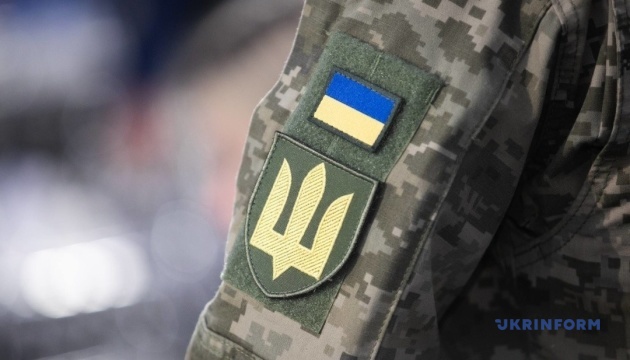
Photo: Ukrinform UA
At a glance
- Deputy Ministers of Defense can now authorize military personnel travel.
- Changes aim to streamline military management processes.
- The decision is part of broader efforts to enhance national security.
- The amendments reflect a more adaptable military structure.
- These updates come amid ongoing geopolitical challenges for Ukraine.
Why it matters
The changes to military travel rules enhance the government's capacity to respond to security needs efficiently. They signify a strategic shift in decision-making within the defense sector.
https://www.ukrinform.ua/rubric-society/4110577-urad-vnis-zmini-do-pravil-viizdu-vijskovih-u-zakordonni-vidradzenna.html
What Happened
The Ukrainian government has made modifications to its rules regarding the exit of military personnel for foreign missions. This decision allows deputies of the Minister of Defense to authorize such exits, thereby expanding the list of officials who can make these determinations.
Key Details
The changes were adopted to enhance the operability of security and defense operations. Previously, military personnel could only depart based on decisions from a limited group of high-ranking officials, which included the Minister of Defense and various heads of law enforcement and intelligence agencies.
The new regulation now includes the Deputy Ministers of Defense among the decision-makers. According to the Ministry of Defense, this adjustment is aimed at streamlining management and increasing responsiveness to current needs within the defense sector.
By delegating authority to deputy ministers, the government hopes to alleviate the burden on higher management levels, facilitating quicker action in critical situations. The amendments are significant as they indicate a shift towards a more flexible military apparatus.
They come in the context of ongoing security concerns in Ukraine and efforts to bolster defense capability against various threats.
Why It Matters
Such regulatory changes are crucial for ensuring agile responses in Ukraine's security framework, especially given the pressing geopolitical challenges it faces. By empowering more officials to make decisions related to military deployments abroad, the government is working to enhance operational efficiency.
Background
The regulation initially stipulated that military personnel could exit for international deployments solely on the basis of decisions taken by the Minister of Defense or equivalent authorities. The addition of Deputy Ministers to this list reflects an evolving approach to military governance in Ukraine.
Reports indicate that the ground forces of the Armed Forces of Ukraine are not preparing for the mobilization of women and are not developing mechanisms aimed at this goal, according to prior statements from UAF authorities.
Source: Ukrinform UA
This report is maintained as a live newsroom article. Headlines and top paragraphs may be tightened when fresh reporting changes the clearest angle.
Newsletter
Get the next major Ukraine report
Follow the strongest verified developments with a cleaner newsroom brief and direct follow-up coverage.
Report format
Fast lead first, then fuller context.
Source photo stays distinct from any illustration.
Related coverage stays inside the same reporting thread.