Breaking news
Ukrainian Forces Strike Russian Command Center in Luhansk
On May 25, the Ukrainian Air Force targeted a significant Russian command and communication center in Luhansk Oblast. This operation utilized Storm Shadow cruise missiles, according to Ukrinform.
Share this article
Share to social platforms, or copy the article link and share text manually.
Developing story
This page is updated as verified details move. The lead and top sections are tightened first when the clearest confirmed angle changes.
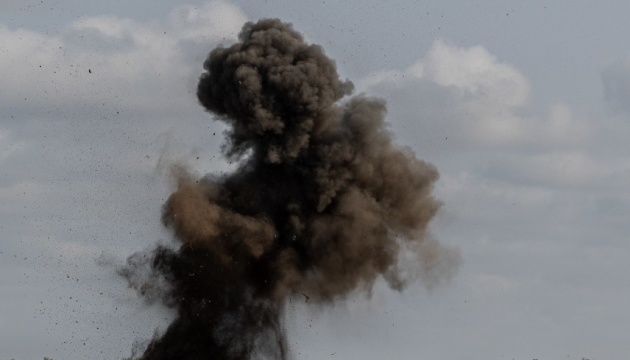
Photo: Ukrinform UA
At a glance
- Ukrainian Air Force struck a Russian command center in Luhansk.
- The operation employed Storm Shadow cruise missiles.
- The strike aims to disrupt Russian military communication and operations.
- It follows a pattern of targeting critical infrastructure in Russian-held territory.
- The conflict in Luhansk remains a key focus for both Ukrainian and Russian forces.
Why it matters
This operation is vital for disrupting Russian command capabilities, crucial for military coordination. It represents a significant shift in Ukrainian tactics, showcasing effective use of advanced weaponry.
https://www.ukrinform.ua/rubric-ato/4127178-zsu-urazili-raketami-storm-shadow-punkt-upravlinna-ta-zvazku-rosian-na-lugansini.html
What Happened
On May 25, Ukrainian Air Force units successfully launched Storm Shadow cruise missiles at a critical command and communication point belonging to Russian forces in the temporarily occupied territory of Luhansk Oblast. This operation was confirmed by the General Staff of the Armed Forces of Ukraine, which reported the strike on its official Facebook page.
The use of the Storm Shadow missiles highlights the ongoing conflict dynamics, demonstrating Ukraine's capability in precision strikes against key military targets. The success of this operation is intended to undermine the operational capacity of the Russian military in the region.
Key Details
Ukrainian military officials stated that the strike was aimed at disrupting Russian command and control capabilities. The targeted facility was considered important for coordinating military efforts against Ukraine.
The use of advanced missile technology reflects Ukraine's evolving military strategies to counteract Russian aggression in the ongoing conflict. This strike came just hours after Ukrainian forces reportedly targeted fuel depots in Bryansk, Russia, indicating a broader operational scope aimed at crippling Russian supply lines.
The targeting of the command center further emphasizes Ukraine's focus on dismantling the infrastructure supporting Russian operations.
Why It Matters
The successful strike on the Russian command center underscores Ukraine's ability to conduct long-range precision strikes effectively. Such operations can significantly hinder Russian military operations, impacting their logistics and command structure. The ongoing conflict in the region continues to evolve, demonstrating the shifting dynamics of military engagement.
Background
The Luhansk region has been a focal point of conflict since 2014 when Russia annexed Crimea and began supporting separatist movements in Eastern Ukraine. Ongoing military operations have seen a range of tactical developments, with both sides adapting to technological enhancements in warfare.
As of late, Ukraine has increasingly been implementing advanced weapon systems, including Storm Shadow missiles, which are designed for precision targeting over long distances. The conflict remains highly volatile, with each tactical maneuver carrying implications for the broader situation in Eastern Europe.
The retaliation and counter-offensive efforts by Ukrainian forces aim to reclaim lost territories and dismantle Russian military presence within Ukraine’s borders.
Source: Ukrinform UA
This report is maintained as a live newsroom article. Headlines and top paragraphs may be tightened when fresh reporting changes the clearest angle.
Newsletter
Get the next breaking Ukraine update
Receive the fastest lead, key facts, and follow-up links in one concise newsroom note.
Breaking format
The lead carries the core fact first.
Key figures and locations stay near the top.
Related coverage tracks the same reporting line.