Breaking news
Ukrainian Drones Target Key Russian Military Assets in May Strikes
From May 3 to May 5, 2026, Ukrainian drones conducted targeted operations against several Russian military assets, as reported by the Ukrainian Unmanned Systems Forces. The strikes included a Kasta radar system and various logistics sites.
Share this article
Share to social platforms, or copy the article link and share text manually.
Developing story
This page is updated as verified details move. The lead and top sections are tightened first when the clearest confirmed angle changes.
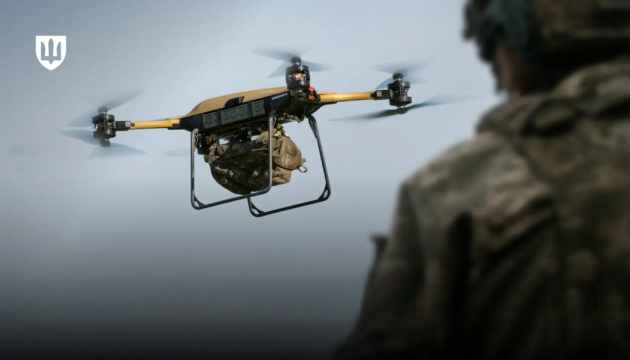
Photo: Ukrinform EN
At a glance
- Ukrainian drones struck multiple Russian military facilities from May 3-5, 2026.
- Primary targets included a Kasta radar system worth $60 million.
- Strikes occurred in Zaporizhzhia, Donetsk, and Luhansk regions.
- Coordinated with the Deep Strike Center for enhanced operational effectiveness.
- Significant Russian combat losses reported since the invasion began.
Why it matters
The coordinated drone strikes illustrate Ukraine's ongoing strategy to undermine Russian military operations. Targeting key military infrastructure is crucial for Ukraine’s defense efforts as they face continuous aggression.
https://www.ukrinform.net/rubric-ato/4120043-ukrainian-drones-strike-kasta-radar-multiple-russian-military-assets.html
What Happened

Ukrainian Unmanned Systems Forces executed a series of drone strikes from May 3 to May 5, 2026, on Russian military assets. This is reported by the Ukrainian forces' press service through Telegram and covered by Ukrinform.
The primary target of these operations was a Kasta radar system, valued at approximately $60 million. The radar, situated in the Zaporizhzhia region, was severely damaged alongside other military infrastructure.
The operation also involved the targeting of personnel deployment sites, a field artillery depot, and logistic warehouses across several regions including Donetsk and Luhansk.
Key Details
The attacks were coordinated with the Deep Strike Center, emphasizing a strategic approach to disrupt Russian military capabilities. Specific strikes included: - A Kasta radar in Zaporizhzhia.
- A temporary personnel deployment site and a locomotive in Luhansk. - Logistics warehouses in Donetsk. - A field artillery depot in Luhansk.
Why It Matters
These strikes represent a continued effort by Ukraine to degrade Russian military operations and capabilities, particularly following recent escalation in hostilities. The focused attacks on logistics and deployment sites suggest a strategic targeting of supply chains necessary for sustained military engagement.
Background
Since the onset of the full-scale invasion on February 24, 2022, Ukraine has utilized drone technology increasingly to strike vital military targets. Reports indicate that as of May 5, 2026, Russia has suffered significant combat losses, with approximately 1,336,120 soldiers affected since the beginning of the conflict.
This includes around 970 casualties reported on May 4 alone. The drone strikes are part of a broader strategy to counter Russian advances and exert pressure on their military infrastructure.
The efficacy of these operations will likely shape future engagements in the ongoing conflict between Ukraine and Russia.
Source: Ukrinform EN
This report is maintained as a live newsroom article. Headlines and top paragraphs may be tightened when fresh reporting changes the clearest angle.
Newsletter
Get the next breaking Ukraine update
Receive the fastest lead, key facts, and follow-up links in one concise newsroom note.
Breaking format
The lead carries the core fact first.
Key figures and locations stay near the top.
Related coverage tracks the same reporting line.