News report
Ukrainian Drone Forces Target Russian Air Defense Systems
In early May, Ukrainian drone forces struck several military targets in occupied territories, including key Russian air defense systems. The developments were reported by the commander of the drone forces, Robert 'Madyar' Brovdi.
Share this article
Share to social platforms, or copy the article link and share text manually.
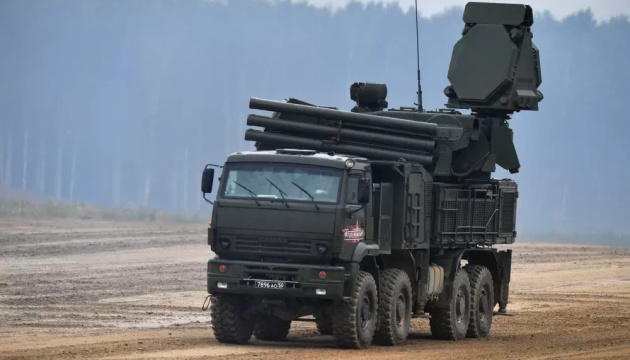
Photo: Ukrinform UA
At a glance
- Ukrainian drone forces conducted strikes on Russian military assets.
- Targets included multiple air defense systems and radar stations.
- Operative sites affected span across Donetsk, Luhansk, and Zaporizhia.
- The strikes aimed to diminish Russian aerial capabilities.
- Ukrainian strategies focus on reclaiming temporarily occupied territories.
Why it matters
The drone strikes highlight Ukraine's use of advanced aerial technology to impair Russian military operations. By continually degrading air defense systems, Ukraine seeks to bolster its operational effectiveness in the ongoing conflict.
https://www.ukrinform.ua/rubric-ato/4119131-sili-bezpilotnih-sistem-urazili-nizku-zasobiv-rosijskoi-ppo-na-zahoplenih-teritoriah.html
What Happened
Ukrainian forces deployed their drone systems to conduct targeted strikes against Russian military installations on May 1, 2026. The operations focused on key air defense assets located in the temporarily occupied territories of Donetsk, Luhansk, and Zaporizhia.
This coordinated attack marks a significant escalate in the ongoing military actions in the region, aiming to weaken the Russian military's defensive capabilities.
Key Details
The strikes successfully hit various targets, reducing the operational effectiveness of Russian air defenses. Notable among these were: - A Pantsir-S1 air defense system in the temporarily occupied settlement of Novyi Svit in Donetsk region.
- A Tor air defense system located in Markivka, Luhansk region. - A P-18 radar station in the temporarily occupied Geraskivka, Luhansk region. - A second P-18 radar station in the temporarily occupied Sofiivka, Zaporizhia region.
- A telecommunications center and the temporary deployment point for the Rubikon unit in occupied Mariupol, Donetsk region. - A deployment point for Russian forces in the temporarily occupied Kamianuvate, Donetsk region.
The Ukrainian forces also targeted six airspace control systems in the occupied regions, signaling a widespread and systematic effort to dismantle Russian air defense capabilities.
Why It Matters
The successful strikes against key Russian military assets demonstrate the effectiveness of Ukrainian drone technology in modern warfare. By targeting air defense systems, Ukraine aims to enhance its operational scope and reduce the threat posed by Russian aerial assaults. This proactive approach may impact the ongoing military strategy adopted by Russian forces in the region.
Background
The conflict in Ukraine remains intense, with both sides seeking to gain a strategic advantage. The use of drones has become a pivotal component of military operations, allowing for flexible and targeted strikes.
Reports from U.N. agencies detail increasing concerns regarding military escalation in these regions, emphasizing the critical nature of recent developments. The international community continues to monitor the situation closely as the conflict evolves.
These drone strikes are a part of Ukraine's broader strategy to reclaim occupied territories amidst ongoing tensions with Russia.
Source: Ukrinform UA
This report is maintained as a live newsroom article. Headlines and top paragraphs may be tightened when fresh reporting changes the clearest angle.
Newsletter
Get the next major Ukraine report
Follow the strongest verified developments with a cleaner newsroom brief and direct follow-up coverage.
Report format
Fast lead first, then fuller context.
Source photo stays distinct from any illustration.
Related coverage stays inside the same reporting thread.