News report
Ukrainian Church Council Calls for Increased Sanctions on Russia
The All-Ukrainian Council of Churches has called for intensified global sanctions against Russia following a wave of attacks on Ukrainian cities. The statement was made on May 15, 2026.
Share this article
Share to social platforms, or copy the article link and share text manually.
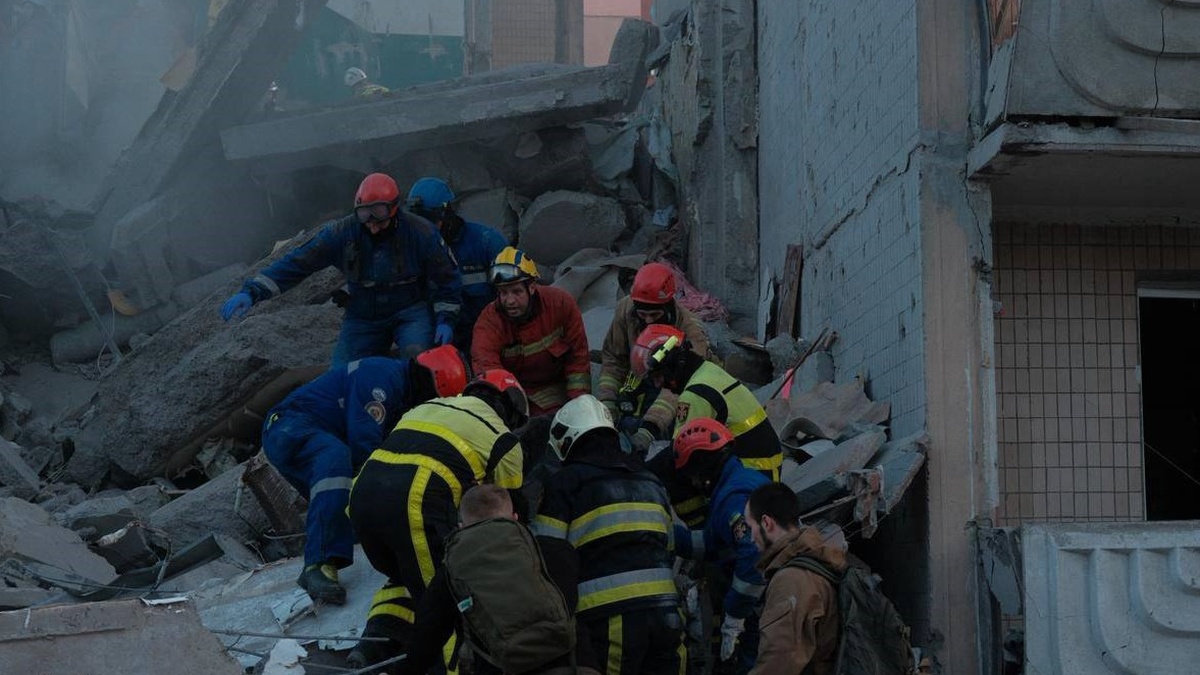
Photo: Interfax Ukraine
At a glance
- Ukrainian churches condemn recent Russian missile and drone strikes.
- Call for intensified global sanctions against Russian politicians and clergy.
- Reports confirm 24 fatalities, including three children, from recent attacks.
- Structural damage to residential buildings and infrastructure highlighted.
- Ukraine's religious leaders demand accountability and global action.
Why it matters
The statement from the Ukrainian church leaders emphasizes the need for global accountability in response to Russia's aggression. Stricter sanctions could play a vital role in deterring further violations of human rights and international law.
https://interfax.com.ua/news/general/1167948.html
What Happened
In response to consecutive Russian missile and drone strikes on May 13-14, 2026, the All-Ukrainian Council of Churches and Religious Organizations issued a statement condemning Russia's actions and calling for stronger international sanctions. These attacks were reported to have affected multiple Ukrainian cities, including Kyiv, Dnipro, Kharkiv, Odesa, and others.
The council highlighted the human toll of these assaults, noting that there were fatalities and injuries, including children. They emphasized that residential buildings and civilian infrastructure suffered significant damage during these strikes.
In their statement, they accused Russia of gross violations of international humanitarian law.
Key Details
The council remarked, "Russia has demonstrably abandoned moral standards and showcased its inhumane ethos rooted in 'rashism,' a term they equate with modern fascism." They held the Russian regime accountable not only for crimes in Ukraine but also suggested its complicity in crimes against various nations globally. Furthermore, they reiterated calls for both permanent and non-permanent members of the UN Security Council to assert their commitment to establishing a just peace and to denounce Russia’s aggressive war against Ukraine.
The plea highlighted the urgency for the international community to take decisive actions against Russian politicians and religious figures who support these humanitarian violations.
Why It Matters
This statement reflects increasing solidarity among Ukrainian religious leaders who are advocating for accountability and stronger actions from the international community. The call for sanctions aims to pressure Russia and deter future aggression, as these military actions have profound humanitarian and geopolitical implications.
Background
Recent escalations in violence represent ongoing conflict dynamics between Ukraine and Russia, marked by ongoing military engagements since 2022. Civilian casualties and infrastructural damage remain critical concerns, highlighting the pervasive risks for the Ukrainian population amid the conflict.
Reports indicate that in areas such as Kyiv's Darnytskyi district, rescue operations have concluded, confirming the deaths of 24 individuals, including three children, with many more injured. The council’s statement reflects a broader sentiment of the need for accountability and continued international support for Ukraine's sovereignty.
The All-Ukrainian Council of Churches has consistently positioned itself as a voice for peace and action against injustice, echoing calls from various Ukrainian sectors for enhanced international intervention in the ongoing crisis.
Source: Interfax Ukraine
This report is maintained as a live newsroom article. Headlines and top paragraphs may be tightened when fresh reporting changes the clearest angle.
Newsletter
Get the next major Ukraine report
Follow the strongest verified developments with a cleaner newsroom brief and direct follow-up coverage.
Report format
Fast lead first, then fuller context.
Source photo stays distinct from any illustration.
Related coverage stays inside the same reporting thread.