News report
Ukrainian Border Guards Neutralize Key Russian Communication Statio...
This pivotal operation disrupts Russian military communications, aligning with Ukraine's strategy to counter enemy capabilities in the region.
Share this article
Share to social platforms, or copy the article link and share text manually.
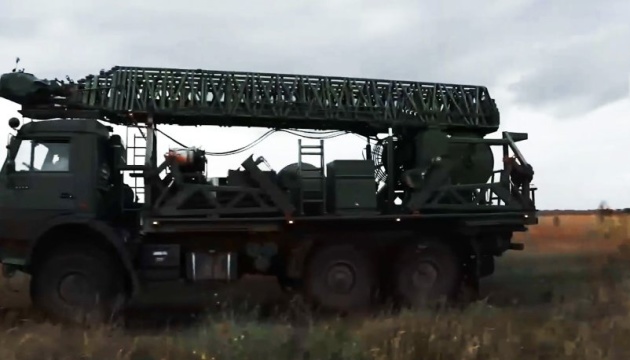
Photo: Ukrinform EN
At a glance
- Ukrainian border guards successfully destroyed a Russian communication station in Luhansk.
- The R-416G-MS is essential for enemy digital data transmission across frontline units.
- This operation signifies a substantial success for Ukrainian armed forces.
- Russian military operations are complicated by reported troop losses, including 1,210 soldiers recently.
- The R-416G-MS has been in operation since 2018.
Why it matters
The destruction of this communication station represents a critical blow to Russian military coordination. Without effective communication, troop deployment and operational strategies become increasingly vulnerable, which can shift the balance of power in ongoing military engagements.
https://www.ukrinform.net/rubric-ato/4106074-border-guards-destroy-russian-multichannel-radio-relay-communication-station-in-luhansk-region.html
What Happened
Ukrainian border guards achieved a notable victory in their ongoing conflict with Russian forces, successfully destroying a mobile multichannel radio relay communication station known as the R-416G-MS. This operation took place in the occupied Luhansk region, with confirmation coming from the State Border Guard Service, highlighting the strategic importance of this action in the broader context of military operations.
The R-416G-MS plays a crucial role in managing communication networks between Russian frontline units and their command posts. Having been operational since 2018, this equipment is vital for coordinating troop movements, sharing intelligence, and facilitating real-time communication on the battlefield.
Key Details
The successful strike against this communication station not only affects the immediate capabilities of Russian forces but also symbolizes a shift in the tactical dynamics of the region. This operation is particularly noteworthy as it marks a significant achievement for Ukrainian forces, representing the destruction of an advanced communication system that had previously evaded attacks.
The only other confirmed instance of such equipment being neutralized occurred in June 2024, underlining the implications of this latest strike for Russian operational effectiveness. The ramifications of losing the R-416G-MS are far-reaching for the Russian military.
Why It Matters
The destruction of this communication station represents a critical blow to Russian military coordination. Without effective communication, troop deployment and operational strategies become increasingly vulnerable, which can shift the balance of power in ongoing military engagements.
Background
Disrupting their communication capabilities can severely hinder troop coordination and complicate their military strategies, especially in a theater of war where timely information is paramount. Recent reports have indicated that the Russian military has faced substantial losses, including the death of 1,210 troops and the destruction of an air defense system in a single day, further exacerbating their operational challenges.
Understanding the significance of the R-416G-MS helps contextualize why Ukrainian forces are targeting such technology. Effective communication remains an essential element of modern warfare, and as the conflict evolves, cutting off the enemy's ability to communicate can lead to significant tactical advantages on the ground.
The Ukrainian border guards' strategic targeting of this communication station reflects a broader strategy to diminish Russian operational capabilities and enhance their own military effectiveness in the region.
Source: Ukrinform EN
This report is maintained as a live newsroom article. Headlines and top paragraphs may be tightened when fresh reporting changes the clearest angle.
Newsletter
Get the next major Ukraine report
Follow the strongest verified developments with a cleaner newsroom brief and direct follow-up coverage.
Report format
Fast lead first, then fuller context.
Source photo stays distinct from any illustration.
Related coverage stays inside the same reporting thread.