Breaking news
Ukrainian Air Defense Intercepts 90% of Russian Drones in Recent At...
In the past week, Russia launched nearly 1,900 drones and 60 missiles at Ukraine. President Zelensky reported the attacks via Telegram, emphasizing the effectiveness of Ukraine's air defense.
Share this article
Share to social platforms, or copy the article link and share text manually.
Developing story
This page is updated as verified details move. The lead and top sections are tightened first when the clearest confirmed angle changes.
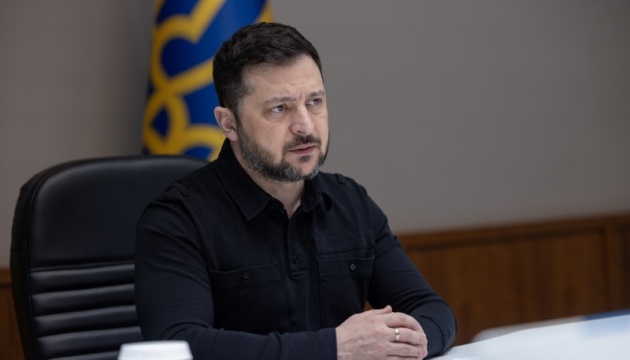
Photo: Ukrinform EN
At a glance
- Russia launched approximately 1,900 drones and 60 missiles in one week.
- Ukraine's air defense system intercepted over 90% of the drones.
- Zelensky praised international partners for their timely contributions.
- A recent attack saw 74 of 94 incoming drones neutralized.
- The EU has approved a significant support package to assist Ukraine.
Why it matters
Russia's ongoing drone and missile attacks highlight the urgent need for reliable air defense in Ukraine. Timely international support is essential for minimizing casualties and stabilizing the region.
https://www.ukrinform.net/rubric-ato/4117055-russia-launches-nearly-1900-drones-60-missiles-at-ukraine-over-past-week-zelensky.html
What Happened
Last week marked a significant intensification of hostilities as the Russian military deployed around 1,900 strike drones, nearly 1,400 guided aerial bombs, and approximately 60 missiles targeting various locations in Ukraine. President Volodymyr Zelensky provided these figures in an update on Telegram, attributing the current situation to ongoing aggression from Russia.
Simultaneously, Zelensky noted the effectiveness of Ukraine’s air defense systems, which achieved over 90% success in intercepting the drones launched during these attacks. This level of efficiency comes at a crucial time, as Ukraine prepares for continued assaults from Russian forces.
Key Details
Ukraine's air defense managed to neutralize 74 out of 94 drones that were launched by Russia in one specific attack commencing on the evening of April 26. The President expressed gratitude towards international partners who are contributing to Ukraine’s defense capabilities, underscoring the importance of timely support in the face of escalating threats.
Ukraine's air defense strategy has pivoted to not only focus on drones but also to prepare for potential ballistic missile attacks. Zelensky urged the continued provision of air defense missiles, emphasizing that every delivery contributes to saving lives and enhancing the protection of urban areas and critical infrastructure.
Additionally, he referenced the recent approval of a €90 billion European support package and the EU’s 20th sanctions package, which were agreed upon in Cyprus, highlighting the strategic collaborations that are underway to bolster Ukraine's defense efforts.
Why It Matters
The recent surge in drone and missile attacks indicates a ramp-up in Russia's military strategy against Ukraine. Effective air defenses are crucial for minimizing civilian casualties and protecting essential infrastructure. The continued support from international partners is critical for sustaining and enhancing Ukraine's defense capabilities.
Background
The conflict between Ukraine and Russia has seen various phases of intensity, with escalating military actions and retaliatory measures. Since the onset of hostilities, Ukraine has focused heavily on developing robust air defense systems to counter drone and missile threats.
The current effectiveness of these systems is a direct result of both domestic improvements and international assistance. Ukraine's situation is not just a local conflict but has broader implications for European security and international relations, drawing attention to the necessity of extensive support frameworks from allied nations.
Source: Ukrinform EN
This report is maintained as a live newsroom article. Headlines and top paragraphs may be tightened when fresh reporting changes the clearest angle.
Newsletter
Get the next breaking Ukraine update
Receive the fastest lead, key facts, and follow-up links in one concise newsroom note.
Breaking format
The lead carries the core fact first.
Key figures and locations stay near the top.
Related coverage tracks the same reporting line.