Breaking news
Ukrainian Air Defense Downs 150 Drones in March 29 Attack
On March 29, Russian forces launched an attack on Ukraine using 164 drones. Ukrainian air defense intercepted 150 of these drones, according to reports.
Share this article
Share to social platforms, or copy the article link and share text manually.
Developing story
This page is updated as verified details move. The lead and top sections are tightened first when the clearest confirmed angle changes.
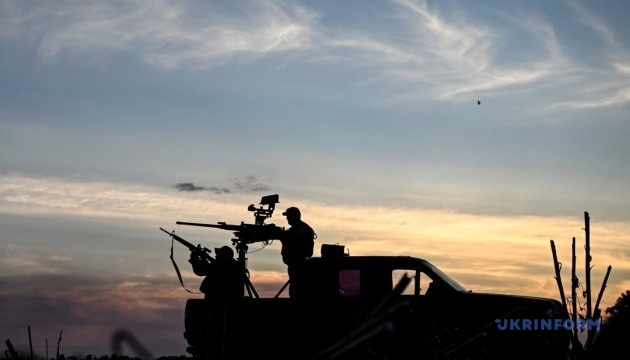
Photo: Ukrinform UA
At a glance
- 150 out of 164 drones intercepted by Ukrainian forces.
- The attack began at 6 PM on March 29 from multiple Russian locations.
- Ukrainian air defense involved various military components, including anti-aircraft units.
- Significant drone types involved included Shahed, Gerbera, and Italmas.
- Debris from downed drones affected civilian areas, with damage reports pending.
Why it matters
This incident showcases Ukraine's growing air defense capabilities, vital in the ongoing conflict. The high interception rate demonstrates their effectiveness against aerial threats, impacting operational strategies moving forward.
https://www.ukrinform.ua/rubric-ato/4106970-sili-ppo-zneskodili-150-zi-164-bezpilotnikiv-akimi-rosiani-z-vecora-atakuvali-ukrainu.html
What Happened
On March 29, 2026, the Russian military targeted Ukraine with a concerted drone offensive involving 164 unmanned aerial vehicles (UAVs). The attack commenced around 6 PM local time, utilizing various drone types including Shahed, Gerbera, and Italmas. Ukraine’s air defense managed to intercept and neutralize 150 of these drones by early morning on March 30, according to the Air Forces of the Armed Forces of Ukraine.
Key Details
The interception involved multiple Ukraine defense components working in unison. Ukrainian air defense forces included aviation units, anti-aircraft missile troops, electronic warfare units, unmanned aerial systems, and mobile fire groups.
Reports indicate the successful interception rate reflects an increasing efficacy in Ukrainian air defense operations amid ongoing conflict. The Russian attack also included a ballistic missile strike from the temporarily occupied Crimea, which further escalated the night’s operations.
Approximately 90 of the drones used were identified specifically as Shahed drones, contributing significantly to the total offensive arsenal. By 8:30 AM on March 30, official communications confirmed that the offensive had inflicted damage in several locations, with registered impacts from a ballistic missile and 12 strike drones across seven sites in Ukraine.
Non-combatant areas were also cited as having debris fallout from the aerial engagement, although detailed damage reports are yet to emerge.
Why It Matters
The ability of Ukrainian air defenses to intercept this high volume of UAVs signifies a substantial capability against intrusions from Russian forces. This incident reinforces the ongoing struggle for aerial dominance in the conflict. As multiple drones were reported still in the air, Ukraine's air defense approach remains crucial for protecting the territory from further potential attacks.
Background
The use of UAVs in modern warfare has grown increasingly tactical, both for reconnaissance and offensive operations. In recent months, Ukraine has faced a series of drone assaults, prompting a robust response from its air defense forces.
This latest attack mirrors the ongoing strain of conflict perceptions, emphasizing the need for enhanced monitoring and protective measures against aerial threats. The effectiveness displayed in this instance will likely influence both military strategies and public morale as the war continues.
Overall, the incident reflects the persistent threat posed by Russian drone warfare and the resilient response by Ukrainian forces in defending national airspace.
Source: Ukrinform UA
This report is maintained as a live newsroom article. Headlines and top paragraphs may be tightened when fresh reporting changes the clearest angle.
Newsletter
Get the next breaking Ukraine update
Receive the fastest lead, key facts, and follow-up links in one concise newsroom note.
Breaking format
The lead carries the core fact first.
Key figures and locations stay near the top.
Related coverage tracks the same reporting line.