News report
Ukraine's HUR Reveals Details on Russian Drone Production Firms
HUR's latest findings detail the industrial connections fueling Russia's drone capabilities. This data is vital for understanding the drone supply chain.
Share this article
Share to social platforms, or copy the article link and share text manually.

Photo: Ukrinform EN
At a glance
- HUR identified 19 new companies involved in Russian drone production.
- The Orion drone's components include critical systems for flight and navigation.
- 30 foreign components linked to the Iranian Shahed-107 drone were reported.
- The total number of enterprises in Orion's production database has reached 70.
- HUR's data supports international efforts against drone proliferation.
Why it matters
This information is crucial for understanding the industrial networks that support Russian military operations. It aims to strengthen international coalitions against the use of such drones in armed conflicts.
https://www.ukrinform.net/rubric-ato/4099555-hur-releases-new-data-on-russian-drones-orion-and-phoenix-and-iranian-shahed107.html
Overview
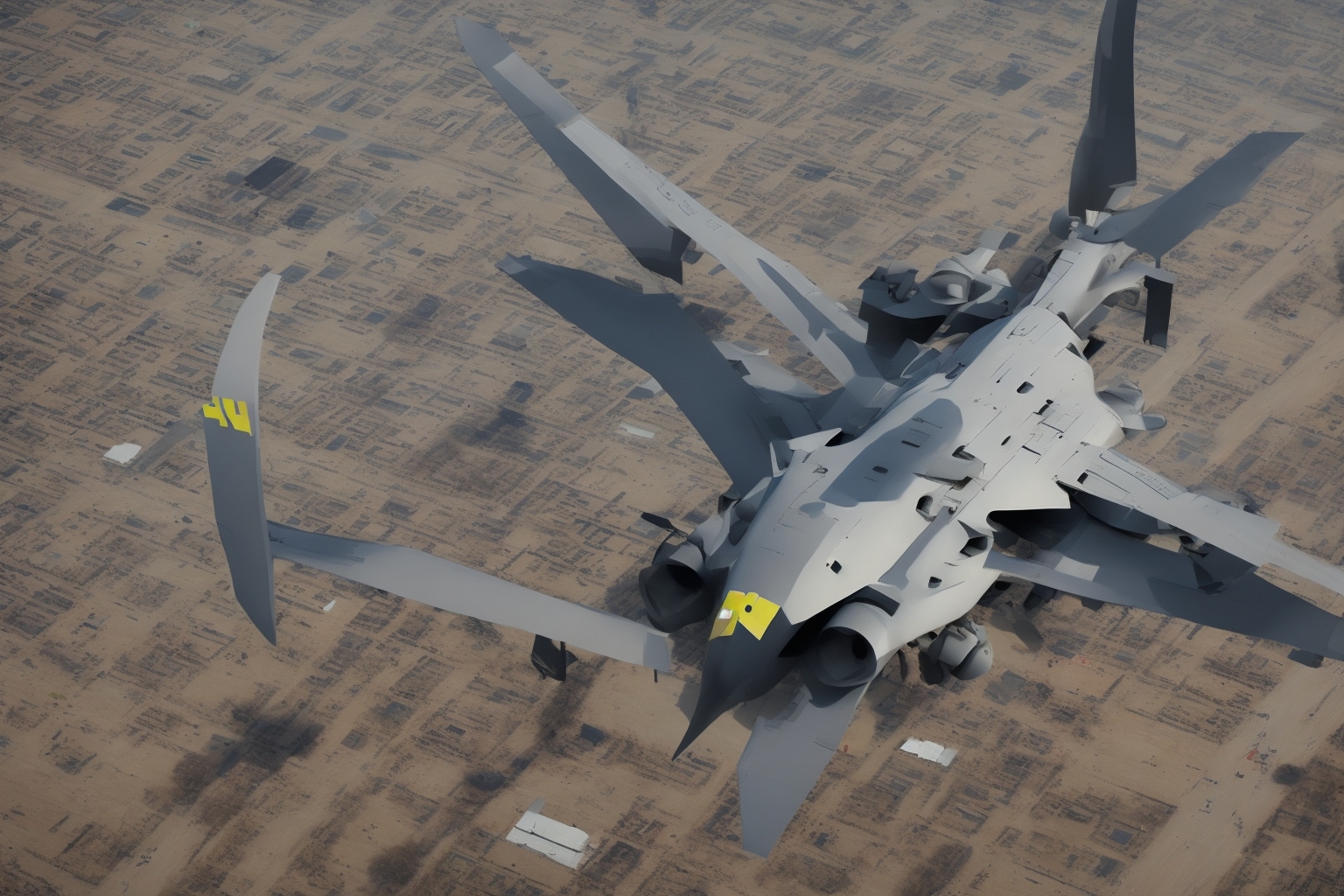
The Main Intelligence Directorate of Ukraine (HUR) has disclosed information regarding 19 enterprises connected to the manufacturing of the Russian 'Orion' drone. Additionally, they revealed details about 30 foreign components utilized in the Iranian Shahed-107 unmanned aerial vehicle (UAV).
Key Insights
This release is part of HUR's ongoing mission to inform both domestic and international audiences about the networks that support Russian drone capabilities. The 'Orion', also known as 'Inokhodets', is produced by the sanctioned Russian company Kronshtadt.
HUR’s updated database now includes a total of 70 enterprises involved in supplying critical components for the 'Orion'. These include essential systems for anti-icing, fuel management, navigation, and electronic command configurations.
Context
This recent publication follows earlier reports from HUR featuring models and information about drone production. Notably, a recent analysis of a Shahed-107 variant deployed by Russian forces revealed that 15 of the identified components were present.
Amid rising concerns over the use of such drones, current conflicts, particularly in the Middle East, highlight potential threats posed by these UAVs, including terror attacks and strikes against civilian infrastructure globally.
Implications
HUR’s findings are crucial for understanding the industrial networks that sustain Russian military operations. They aim to bolster international partnerships focused on countering the proliferation of such drones in armed conflicts.
Conclusion
By publishing this data, HUR reinforces its commitment to transparency and its role in fostering international cooperation against the spread of dangerous military technologies. The details about the supporting networks for drone production will help stakeholders implement more effective monitoring and countermeasure strategies.
Source: Ukrinform EN
This report is maintained as a live newsroom article. Headlines and top paragraphs may be tightened when fresh reporting changes the clearest angle.
Newsletter
Get the next major Ukraine report
Follow the strongest verified developments with a cleaner newsroom brief and direct follow-up coverage.
Report format
Fast lead first, then fuller context.
Source photo stays distinct from any illustration.
Related coverage stays inside the same reporting thread.