News update
Ukraine's External Debt Approaches 100% of GDP, Economist States
Ukraine's external debt is approximately 100% of its GDP, according to economist Vasyl Furman. He emphasized that the situation is manageable due to the structure of the debt and favorable loan terms.
Share this article
Share to social platforms, or copy the article link and share text manually.
Developing story
This page is updated as verified details move. The lead and top sections are tightened first when the clearest confirmed angle changes.
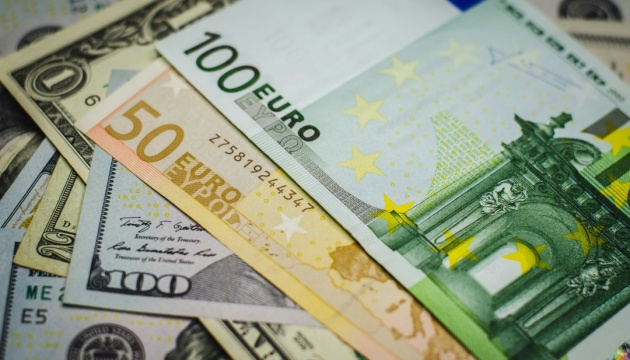
Photo: Ukrinform UA
At a glance
- Ukraine's external debt is approximately 100% of its GDP.
- Majority of the debt consists of concessional loans with low interest.
- Ukraine's state budget for 2026 includes €90 billion from expected funds.
- Restructuring debt payments leads to reduced financial pressure.
- International financing has provided around $175 billion during the conflict.
Why it matters
Ukraine's ability to maintain manageable debt levels is crucial for economic stability during the war. The structure of its debt aids in mitigating inflationary pressures and supports budgetary needs. Continued international financial support is essential for sustaining military and fiscal resources.
https://www.ukrinform.ua/rubric-economy/4116459-zovnisnij-borg-ukraini-skladae-blizko-100-vvp-prote-situacia-kontrolovana-ekonomist.html
What Happened
Ukraine's official external debt has reached around 100% of its Gross Domestic Product (GDP), as stated by economist Vasyl Furman during a recent interview. Furman explained that the majority of this debt consists of concessional loans acquired during the ongoing war, which carry interest rates between 1% and 3%.
Key Details
Furman noted that Ukraine has integrated around €90 billion into its 2026 state budget, aligning with anticipated incoming funds over two years. These loans are expected to be repaid when Russia compensates Ukraine for damages incurred during the conflict.
According to Furman, this financial structure serves as a significant advantage, enabling the government to manage state tax finances effectively. The economist further remarked on the implications of debt restructuring, saying that delaying debt repayments until 2030 alleviates immediate financial strain, allowing more resources for defense and budgetary expenditures.
He indicated that this approach will also reduce pressure on the currency market and stabilize the hryvnia's exchange rate. Furman highlighted the importance of the debt's structure, pointing out that while Ukraine's current debt load appears high, it is not unprecedented for a country in conflict.
He mentioned that various countries, like Italy and Japan, have even higher debt-to-GDP ratios, which do not necessarily indicate economic instability.
Why It Matters
Furman's analysis reveals the complexities of Ukraine's financial health amid ongoing war efforts. The ability to secure low-interest loans from international partners minimizes potential economic risks while ensuring essential funding for defense and recovery.
Background
Ukraine's external financing has reached approximately $175 billion from various international sources since the onset of the War, involving around 30 countries and organizations. The European Union, International Monetary Fund, and United States have all contributed significantly to this funding structure.
Additionally, the European Council has ratified a crucial legislative act for a €90 billion credit line to Ukraine, facilitating swift disbursement of the funds in the coming year. This financial support is critical as Ukraine continues to face the impacts of the ongoing military conflict.
Source: Ukrinform UA
This report is maintained as a live newsroom article. Headlines and top paragraphs may be tightened when fresh reporting changes the clearest angle.
Newsletter
Get the next Ukraine update
Track the latest policy, diplomacy, aid, and security changes without losing the thread.
Update format
This template prioritizes developments over recap.
Context stays short and tied to the current turn in the story.
The page is designed for repeat readers checking what changed.