News update
Ukraine's Energy Regulator Approves Integration Plan with EU
On May 13, 2026, Ukraine's National Commission for State Regulation of Energy and Public Utilities approved a comprehensive plan to update the country's electricity regulatory framework. This plan aims for integration with the European Union's energy market.
Share this article
Share to social platforms, or copy the article link and share text manually.
Developing story
This page is updated as verified details move. The lead and top sections are tightened first when the clearest confirmed angle changes.
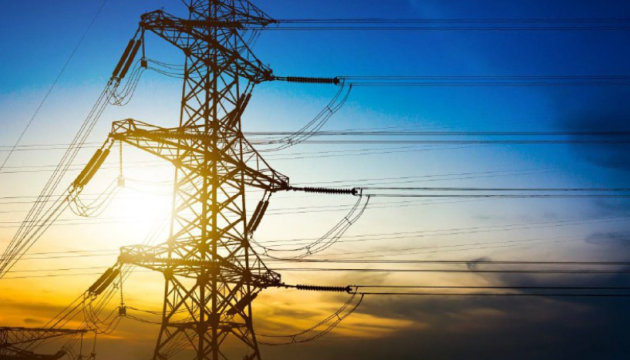
Photo: Ukrinform UA
At a glance
- NERC approved a detailed plan to align Ukraine's energy sector with EU standards.
- The plan includes over 200 measures for reforming the electricity market framework.
- Key initiatives include market coupling and enhanced cross-border electricity trading.
- The strategy supports Ukraine's compliance with European integration obligations.
- Ukraine aims to strengthen its energy market amid ongoing geopolitical tensions.
Why it matters
Integrating with EU energy regulations is vital for enhancing Ukraine's energy security and market efficiency. This plan represents a significant step toward Ukraine's full energy market alignment with European standards.
https://www.ukrinform.ua/rubric-economy/4122802-obednanna-energorinkiv-ukraini-ta-es-nackomisia-zatverdila-kompleksnij-plan.html
What Happened
On May 13, 2026, the National Commission for State Regulation of Energy and Public Utilities (NERC) in Ukraine confirmed its comprehensive plan aimed at aligning the nation’s energy regulations with the European Union standards. This plan has been designed to facilitate the integration of Ukraine's electricity market with that of the EU.
Key Details
The approved document includes over 200 measures for revamping the legal framework governing the electricity sector in accordance with European rules. Key components of the plan comprise the introduction of market coupling mechanisms, the development of interstate balancing, and mechanisms for ensuring power supply, flexibility services, aggregation, and demand management.
This initiative is expected to bolster Ukraine's electric market integration into the broader EU energy market and comply with European integration commitments. According to NERC, ongoing efforts will focus on developing new operational mechanisms for an integrated electricity market that adheres to the EU’s acquis.
On April 28, 2026, prior to this approval, the commission had also sanctioned a draft order for designating the operator of the electricity market, which is currently undergoing public discussion.
Why It Matters
This decision is part of Ukraine's broader strategy to align its energy sector with European standards. By updating its regulatory framework, Ukraine aims to enhance its electricity trade's efficiency and reliability with EU partners. The implementation of these measures is crucial for supporting ongoing reforms in energy security and market efficiency.
Background
On April 20, 2026, Ukrainian President Volodymyr Zelensky signed legislation meant to implement EU legal norms and facilitate the integration of energy markets. The law aims to establish conditions for market coupling for day-ahead and intraday trading with European trade areas, fostering coordinated electricity trade.
Furthermore, the legislation incorporates an EU preparedness model for risks in the energy sector and outlines the regulation of interactions between transmission system operators and market operators to ensure cross-border electricity exchange. This comprehensive strategy is essential for reinforcing Ukraine's energy market amid ongoing geopolitical challenges.
Source: Ukrinform UA
This report is maintained as a live newsroom article. Headlines and top paragraphs may be tightened when fresh reporting changes the clearest angle.
Newsletter
Get the next Ukraine update
Track the latest policy, diplomacy, aid, and security changes without losing the thread.
Update format
This template prioritizes developments over recap.
Context stays short and tied to the current turn in the story.
The page is designed for repeat readers checking what changed.