News report
Ukraine Urges Stronger Sanctions on Russia's Missile Supply Chains
Ukraine has demanded heightened international sanctions targeting Russian missile component supply chains at an OSCE meeting. This move seeks to diminish Russia's military strength and bolster regional stability.
Share this article
Share to social platforms, or copy the article link and share text manually.
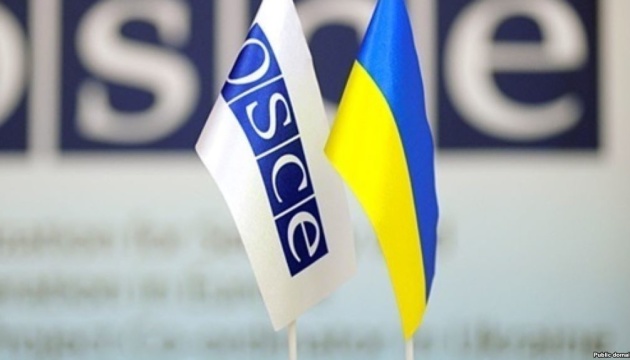
Photo: Ukrinform UA
At a glance
- Ukraine calls for enhanced sanctions on Russia regarding missile production to disrupt supply chains.
- Each Russian missile reportedly contains at least 60 components sourced from international suppliers.
- Ukrainian officials warn of the security risks posed by Iranian drones in the region.
- Existing sanctions have resulted in a projected budget deficit for Russia exceeding $100 billion by 2026.
- The need for improved air defense systems in Europe and the Middle East is emphasized to address emerging threats.
Why it matters
Strengthening sanctions against Russia is essential for limiting its military capabilities and preventing further aggression towards Ukraine. As foreign components play a significant role in supporting Russian weaponry, effective sanctions can have far-reaching implications, ensuring regional stability and safeguarding international security.
https://www.ukrinform.ua/rubric-polytics/4103878-ukraina-v-obse-zaklikala-posiliti-protiraketni-sankcii-dla-rf.html
Ukraine’s Plea for Robust Sanctions

At a recent meeting of the Organization for Security and Co-operation in Europe (OSCE), Ukrainian officials called for stronger international sanctions against Russia. Their focus is on disrupting the supply chains that support Russia's missile production capabilities. This initiative aims to weaken military resources in the ongoing conflict and protect Ukraine from further threats.
Ukrainian representatives highlighted that each missile used in attacks on Ukraine typically consists of about 60 components sourced internationally. These parts often reach Russia through complex circumvention methods, raising concerns about the effectiveness of existing sanctions.
The delegation emphasized that targeting these supply lines is crucial for reducing Russia’s military capacity and deterring future offensives.
Rising Concerns: Iranian Drones and Regional Security
The issue of Iranian drones used by Russia against Ukraine was also addressed during the meeting, heightening concerns for air defense in Europe and the Middle East. Ukrainian officials warned that current air defense systems may not adequately counter threats from these drones and ballistic missiles.
The Ukrainian delegation urged the need for preventing Russia from enhancing its domestic missile manufacturing. They called on the European Union to prioritize a 20th sanctions package that could significantly hinder Russia's military effectiveness.
Impact of Existing Sanctions on Russia
Current sanctions by the United States and European Union have applied significant pressure on the Russian economy. Estimates indicate that Russia could face a budget deficit exceeding $100 billion by 2026 if these sanctions continue. Conversely, easing sanctions, particularly those related to Russian oil, could provide an additional $10 billion to the Russian government, undermining the sanctions' effectiveness.
Ukrainian President Volodymyr Zelensky emphasized the urgency of strengthening the sanctions framework, noting that Russia conducts five to six major attacks on Ukrainian infrastructure each month. This pattern increasingly relies on ballistic missiles, necessitating a strong international response to curtail Russia's military aspirations.
Source: Ukrinform UA
This report is maintained as a live newsroom article. Headlines and top paragraphs may be tightened when fresh reporting changes the clearest angle.
Newsletter
Get the next major Ukraine report
Follow the strongest verified developments with a cleaner newsroom brief and direct follow-up coverage.
Report format
Fast lead first, then fuller context.
Source photo stays distinct from any illustration.
Related coverage stays inside the same reporting thread.