News report
Ukraine Shoots Down 249 of 268 Drones in Major Assault
Ukraine's air defense forces neutralized 249 out of 268 drones launched by Russia in an overnight attack starting May 2. The operation involved various air defense units responding to a significant aerial assault.
Share this article
Share to social platforms, or copy the article link and share text manually.
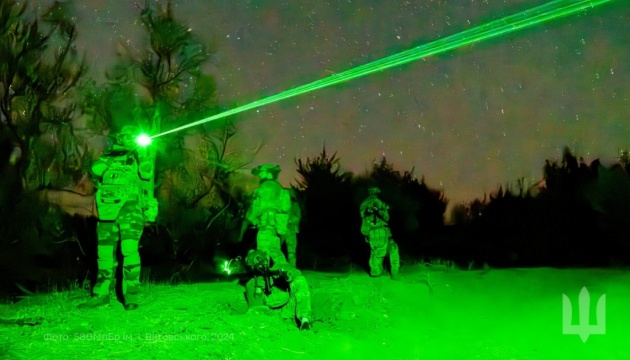
Photo: Ukrinform EN
At a glance
- Ukrainian air defenses shot down 249 out of 268 Russian drones.
- The attack involved over 160 Shahed-type UAVs and a ballistic missile.
- Russian drones were launched from multiple locations, including Crimea.
- The ongoing assault included strikes on civilian infrastructure in Sumy.
- Authorities reported casualties and significant damage from missile strikes.
Why it matters
The recent drone attack reflects ongoing threats to Ukraine's sovereignty and security. Successful interceptions demonstrate the capability of Ukrainian defenses, essential for protecting civilians and critical infrastructure.
https://www.ukrinform.net/rubric-ato/4119082-air-defenses-down-249-out-of-268-drones-launched-by-russia-in-overnight-attack-on-ukraine.html
What Happened
In a significant overnight military operation on May 2, Ukrainian air defense forces successfully shot down 249 out of 268 drones launched by Russian forces. The attack commenced at 19:00 and was reported to involve a range of assault drones, including the Shahed type.
Key Details
The Air Force of the Armed Forces of Ukraine shared updates on the situation via Telegram, detailing the nature of the attack. Russia utilized an Iskander-M ballistic missile from the Kursk region, accompanied by various types of drones launched from multiple locations, including Kursk, Shatalovo, Oryol, and Primorsko-Akhtarsk in Russia, as well as from occupied areas in Crimea and Donetsk.
Of the total drones launched, more than 160 were identified as Shahed-type UAVs. Ukrainian defense measures involved a coordinated response that included aviation, anti-aircraft missile units, electronic warfare (EW) units, and mobile fire groups.
The successful interception of these drones underscores the capability and readiness of Ukraine's air defense systems. As of 08:00 on May 3, preliminary assessments indicated that across Ukraine, 249 drones were either shot down or suppressed.
However, the attack was not without impacts; authorities reported damage from a ballistic missile and 19 strike drones impacting at 15 locations. There were also reports of debris caused by downed drones falling in residential areas.
The assault on Ukraine is ongoing, with some enemy UAVs still detected in Ukrainian airspace, suggesting continued threats to civilian and military targets. Additionally, on the same night, Russian forces launched a missile strike on civilian infrastructure in the Krolevets community, which resulted in injuries to six people.
Why It Matters
The effectiveness of Ukraine's air defense forces in repelling a large-scale drone attack highlights the ongoing intensity of the conflict. Incidents like these showcase the resilience of Ukrainian defenses and the persistent threats posed by Russian military actions, underscoring the urgent need for continued support and vigilance.
Background
The conflict between Ukraine and Russia has escalated significantly since 2022, with a marked increase in aerial assaults targeting both military and civilian infrastructure. The introduction of advanced drone technology has become a critical component of modern warfare strategies, necessitating the development and enhancement of effective air defense systems.
The Russian military has repeatedly used drone strikes to disrupt daily life and exert pressure on Ukrainian defenses, making recent successes in interception increasingly vital for national security.
Source: Ukrinform EN
This report is maintained as a live newsroom article. Headlines and top paragraphs may be tightened when fresh reporting changes the clearest angle.
Newsletter
Get the next major Ukraine report
Follow the strongest verified developments with a cleaner newsroom brief and direct follow-up coverage.
Report format
Fast lead first, then fuller context.
Source photo stays distinct from any illustration.
Related coverage stays inside the same reporting thread.