News report
Ukraine Set to Receive First €90B EU Loan Tranche by Mid-2026
Ukraine could see its first tranche of a €90 billion EU loan by the second quarter of 2026. This information was provided by a European Commission spokesperson during a briefing in Brussels.
Share this article
Share to social platforms, or copy the article link and share text manually.
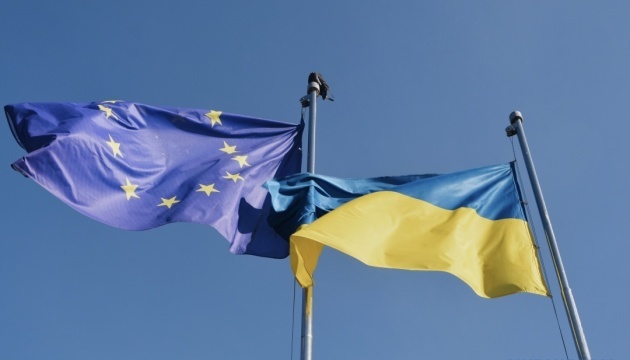
Photo: Ukrinform EN
At a glance
- Ukraine's first tranche from a €90 billion EU loan expected by Q2 2026.
- Preparations for financial assistance are underway, despite delays linked to Hungary.
- Key documents needed for disbursement are in the finalization stage.
- European Commission advocating for reforms in Hungary to facilitate aid to Ukraine.
- The EU's stance reflects a commitment to regional stability and support for Ukraine.
Why it matters
The expected loan is crucial for Ukraine's economic stability and recovery efforts. It indicates ongoing EU commitment to supporting Ukraine amid its ongoing conflict, reinforcing geopolitical alliances.
https://www.ukrinform.net/rubric-economy/4112465-ukraine-may-receive-first-tranche-of-90-billion-eu-loan-by-end-of-q2-2026-european-commission.html
What Happened
The European Commission announced that Ukraine may receive its first installment of a substantial €90 billion credit support package by the end of the second quarter in 2026. This information was shared by Bálazs Ujvári, a spokesperson for the Commission, during a briefing held in Brussels.
Key preparations for this significant financial assistance have been made, aligning with the revised Ukraine Facility financial assistance program set for 2024-2027. Ujvári emphasized that a new mechanism for supporting Ukraine has been established to facilitate this assistance.
Key Details
The anticipated loan, which is still subject to finalization of several critical documents, has faced delays reportedly linked to Hungary's ongoing objections. Ujvári noted that the European Commission is actively working on three essential documents that need completion in order to proceed with disbursements.
These include a memorandum of understanding that will guide the macro-financial assistance channel for the package. Ujvári clarified the importance of updating the Ukraine Plan, which is another vital framework for providing financial support to the nation.
In tandem with these developments, Ursula von der Leyen, the President of the European Commission, indicated that the Commission is monitoring the political landscape in Hungary closely. She mentioned a recent conversation with Hungary’s new Prime Minister, Péter Magyar, advocating for necessary reforms to align better with broader European values.
Why It Matters
This imminent loan disbursement is vital for Ukraine as it navigates ongoing challenges related to its economy and security amid the ongoing conflict. Support from the European Union is crucial for Ukraine’s recovery and reinforces the strategic partnership between the EU and Ukraine during this turbulent period.
Background
The €90 billion package for Ukraine was designed to offer substantial economic support amid ongoing strife. However, Hungary's past veto on financial assistance to Ukraine has created hurdles in the realization of these funds.
The situation is evolving, particularly as Hungary now experiences a change in leadership following recent elections, which may influence its stance on international aid as the new government seeks reforms and alignment with EU standards. Against this backdrop, that there is increased pressure from other EU members for Hungary to lift its veto and support Ukraine, reflecting a broader commitment to European solidarity in addressing regional conflicts.
The current EU dynamics may shape the landscape for financial support and further integration of Ukraine into European structures.
Source: Ukrinform EN
This report is maintained as a live newsroom article. Headlines and top paragraphs may be tightened when fresh reporting changes the clearest angle.
Newsletter
Get the next major Ukraine report
Follow the strongest verified developments with a cleaner newsroom brief and direct follow-up coverage.
Report format
Fast lead first, then fuller context.
Source photo stays distinct from any illustration.
Related coverage stays inside the same reporting thread.