News update
Ukraine Resumes Agricultural Household Survey in May 2026
Ukraine's State Statistics Service will resume its agricultural household survey on May 18, 2026, following a four-year hiatus. This survey focuses on agricultural activities in rural areas.
Share this article
Share to social platforms, or copy the article link and share text manually.
Developing story
This page is updated as verified details move. The lead and top sections are tightened first when the clearest confirmed angle changes.
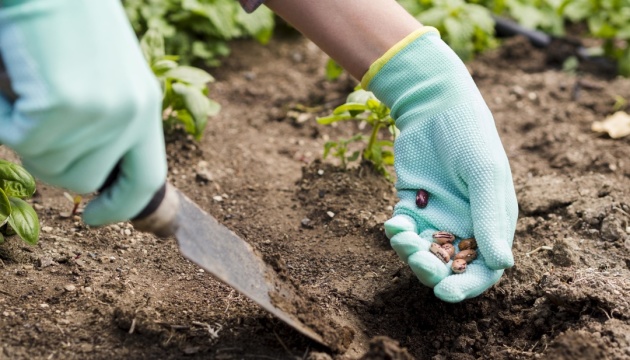
Photo: Ukrinform UA
At a glance
- Survey starts May 18, 2026, after four years.
- Approximately 23,000 rural households will be surveyed.
- Data will include production volumes and pricing of crops and livestock.
- Participation is voluntary and may be conducted via personal or phone interviews.
- Agricultural households produce about one-third of Ukraine's agricultural output.
Why it matters
Accurate agricultural data is critical for understanding Ukraine's economy, particularly in the rural sector. This survey will assist in crafting informed agricultural policies based on real production data.
https://www.ukrinform.ua/rubric-economy/4124708-derzstat-vidnoviv-opituvanna-silskih-domogospodarstv.html
What Happened
The State Statistics Service of Ukraine announced it will conduct an agricultural household survey starting on May 18, 2026. This survey is the first of its kind since 2022 and aims to collect data on the agricultural activities of rural households across the country.
The survey will gather essential information, including production volumes, the sale of agricultural produce, and pricing trends in both crop and livestock sectors. The data collected will support the development of economic accounts for agriculture, according to a statement from the State Statistics Service shared on Facebook.
Key Details
The annual survey will involve approximately 23,000 randomly selected households in rural areas across 20 regions of Ukraine. Notably, the survey will exclude households in temporarily occupied territories and areas experiencing active hostilities.
Each household included in the survey cannot be substituted, ensuring the integrity and reliability of the data. Interviewers may conduct personal interviews during visits or utilize phone surveys.
Participation in the survey is voluntary, emphasizing the importance of farmer and household engagement. In a statement regarding the survey, Arsen Makarchuk, head of the State Statistics Service, noted the significance of the data collection.
He explained that agricultural households produce nearly one-third of the country’s total agricultural output, making the survey crucial for understanding the current state of the agrarian sector and informing policy decisions.
Why It Matters
The resumption of this survey is vital for obtaining accurate statistical data that reflects agricultural production in Ukraine. Such information is crucial for policymakers and stakeholders to make informed decisions based on actual economic conditions in the rural sector.
Background
Prior to this upcoming survey, there had been a four-year break in data collection related to rural agricultural activities. This renewal comes at a time when Ukraine’s agricultural sector has seen significant fluctuation, with reports indicating a record grain production in 2025, mainly driven by corn and wheat yields.
In 2025, corn production reached 30.9 million tons, while wheat production was recorded at 23.3 million tons, according to the State Statistics Service. The renewed survey aims to capture similar data consistently to maintain a reliable economic framework for the agricultural industry moving forward.
Source: Ukrinform UA
This report is maintained as a live newsroom article. Headlines and top paragraphs may be tightened when fresh reporting changes the clearest angle.
Newsletter
Get the next Ukraine update
Track the latest policy, diplomacy, aid, and security changes without losing the thread.
Update format
This template prioritizes developments over recap.
Context stays short and tied to the current turn in the story.
The page is designed for repeat readers checking what changed.