News report
Ukraine Nominates Candidates for ICC Amid Speculation Over Delays
Ukraine's Deputy Head of the Office of the President, Iryna Mudra, confirmed on April 8, 2026, that the country has adhered to established procedures for nominating its candidate to the International Criminal Court (ICC). Mudra addressed the matter amid political speculation about potential delays.
Share this article
Share to social platforms, or copy the article link and share text manually.
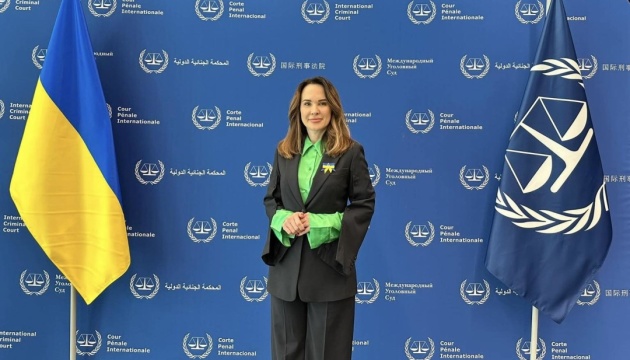
Photo: Ukrinform EN
At a glance
- Iryna Mudra confirmed no deadline was missed for ICC nominations.
- Lev Kyshakevych is nominated as the primary candidate; Oksana Senatorova as alternate.
- Interviews for candidates took place from March 24-26, 2026.
- Both candidates are reputable legal experts with significant experience.
- The nomination process was open and competitive, aligned with legal standards.
Why it matters
The nomination process for the ICC is critical for Ukraine in securing accountability for war crimes. By nominating qualified candidates, Ukraine reinforces its commitment to international law and demonstrates a proactive approach to justice.
https://www.ukrinform.net/rubric-polytics/4110505-ukraine-follows-procedure-for-nominating-candidate-to-icc-within-established-deadlines-says-mudra.html
What Happened

Ukraine has officially nominated candidates for the International Criminal Court (ICC), reaffirming commitment to the established legal process. On April 8, 2026, Deputy Head of the Office of the President Iryna Mudra stated that there was no missed deadline in the nomination process, as reported by Ukrinform.
The selection committee identified Lev Kyshakevych as the primary candidate and Oksana Senatorova as the alternate. Mudra emphasized that the procedure was conducted with integrity and in accordance with legal deadlines.
Key Details
Mudra's statements were made in response to what she termed political speculation regarding the nomination timeline. The selection committee conducted interviews for the candidates from March 24 to 26, 2026, assessing their qualifications and professionalism.
Kyshakevych is a Supreme Court judge with significant legal experience, while Senatorova is recognized as a leading expert in international criminal law, particularly concerning war crimes and victims’ rights. Mudra described both candidates as strong representatives for Ukraine at the ICC.
The procedure was open and competitive, aiming to select judges capable of upholding justice and accountability in international law. Mudra called for a clear distinction between political commentary and factual legal discussions, noting that Ukraine's approach remains focused and methodical despite outside pressures.
Why It Matters
Nomination of candidates to the ICC is crucial for Ukraine, particularly in the context of ongoing conflicts and the pursuit of justice for war crimes. Ukraine's ability to present competent candidates reflects its commitment to international law and robust governance, advancing its legal standing in global institutions.
Background
The ICC plays a significant role in addressing serious crimes such as genocide, war crimes, and crimes against humanity. As Ukraine continues to navigate the complexities of international justice amid its ongoing conflict, the nomination of competent judges becomes integral to the country’s judicial strategy.
Recent discussions have surfaced around the accountability for Russian war crimes, with Ukraine signaling its intent to present specific cases to the ICC and a future Special Tribunal. This focus on international legal frameworks underscores Ukraine's efforts to uphold justice on a global scale, amidst ongoing scrutiny and political narratives about its legal processes.
Source: Ukrinform EN
This report is maintained as a live newsroom article. Headlines and top paragraphs may be tightened when fresh reporting changes the clearest angle.
Newsletter
Get the next major Ukraine report
Follow the strongest verified developments with a cleaner newsroom brief and direct follow-up coverage.
Report format
Fast lead first, then fuller context.
Source photo stays distinct from any illustration.
Related coverage stays inside the same reporting thread.