News report
Ukraine Navy Attributes Black Sea Oil Spill to Russian Fleet Failures
A significant oil spill occurred in the Black Sea near Anapa, possibly linked to Russia's aging shadow fleet. The Ukrainian Navy reported this development on Ukrainian television.
Share this article
Share to social platforms, or copy the article link and share text manually.
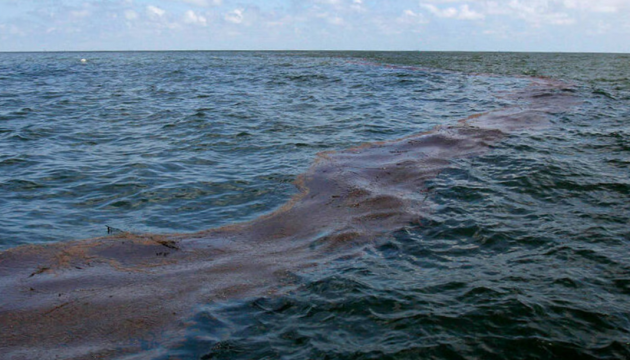
Photo: Ukrinform EN
At a glance
- Oil spill discovered near Anapa, approximately 11 km offshore.
- Ukrainian Navy blames outdated Russian vessels for the spill.
- Vessels from the shadow fleet operate without proper oversight.
- Previous accidents have occurred due to rule violations.
- Russia has shifted blame onto Ukraine for the oil spill.
Why it matters
The spill threatens Black Sea marine life and ecosystems. Russia's reliance on outdated vessels illustrates broader systemic issues that could lead to more environmental disasters.
https://www.ukrinform.net/rubric-ato/4114461-ukrainian-navy-on-black-sea-oil-spill-russia-using-technical-fleet-without-oversight.html
What Happened
A major oil spill has been reported in the Black Sea approximately 11 kilometers off the coast of Anapa. According to the Ukrainian Navy, this incident may have been triggered by the use of outdated Russian vessels from what is referred to as a shadow fleet.
Ukrainian Navy spokesperson Dmytro Pletenchuk discussed the situation on Ukrainian television, emphasizing the inadequacy of the vessels utilized by Russia for oil transshipment. He highlighted that these vessels, often consisting of river-sea class tankers, are technologically obsolete and lack proper oversight.
Pletenchuk stated the condition of these ships does not meet any safety standards, raising concerns about their operational reliability.
Key Details
Pletenchuk pointed out that basic operational protocols are frequently disregarded in the management of these vessels. Previous incidents indicate that similar tankers have been involved in maritime accidents, often occurring during adverse weather conditions when they exceed their operational limits.
He remarked, "I wouldn't be surprised if the Russians have repeated this 'feat' yet again, because for them the main thing is to sell oil. What happens afterward does not concern anyone." This narrative is compounded by Russian claims suggesting that Ukraine may be responsible for the oil spill, linking it to supposed drone strikes on shipping vessels in both the Black Sea and Sea of Azov.
However, Ukrainian officials have countered these assertions, emphasizing the systemic issues within the Russian maritime operations. On April 11, the operational headquarters for Russia's Krasnodar region confirmed the detection of the oil slick and noted the presence of oil-contaminated wildlife along the beach area, highlighting the potential ecological impact of this incident.
Why It Matters
The oil spill poses a risk to marine ecology in the Black Sea region, potentially affecting local wildlife and environments. The use of aging and poorly maintained vessels heightens the risk of such spills occurring in the future, reflecting broader issues with maritime regulations.
Background
The Black Sea has witnessed increasing environmental concerns, especially due to maritime activities linked to the ongoing conflict. Russia's reliance on older vessels for oil transshipment raises questions about the enforcement of regulations and the effectiveness of operational oversight.
Ukrainian officials have previously noted the dangers posed by inadequate safety measures in maritime operations, emphasizing the need for more stringent international accountability and environmental protections.
Source: Ukrinform EN
This report is maintained as a live newsroom article. Headlines and top paragraphs may be tightened when fresh reporting changes the clearest angle.
Newsletter
Get the next major Ukraine report
Follow the strongest verified developments with a cleaner newsroom brief and direct follow-up coverage.
Report format
Fast lead first, then fuller context.
Source photo stays distinct from any illustration.
Related coverage stays inside the same reporting thread.