Breaking news
Ukraine Intercepts 95 of 123 Drones in Latest Russian Attack
Ukraine's air forces intercepted 95 out of 123 drones attacking the country on April 27, as reported by Ukrainska Pravda. The assault involved various types of drones and targeted multiple regions.
Share this article
Share to social platforms, or copy the article link and share text manually.
Developing story
This page is updated as verified details move. The lead and top sections are tightened first when the clearest confirmed angle changes.
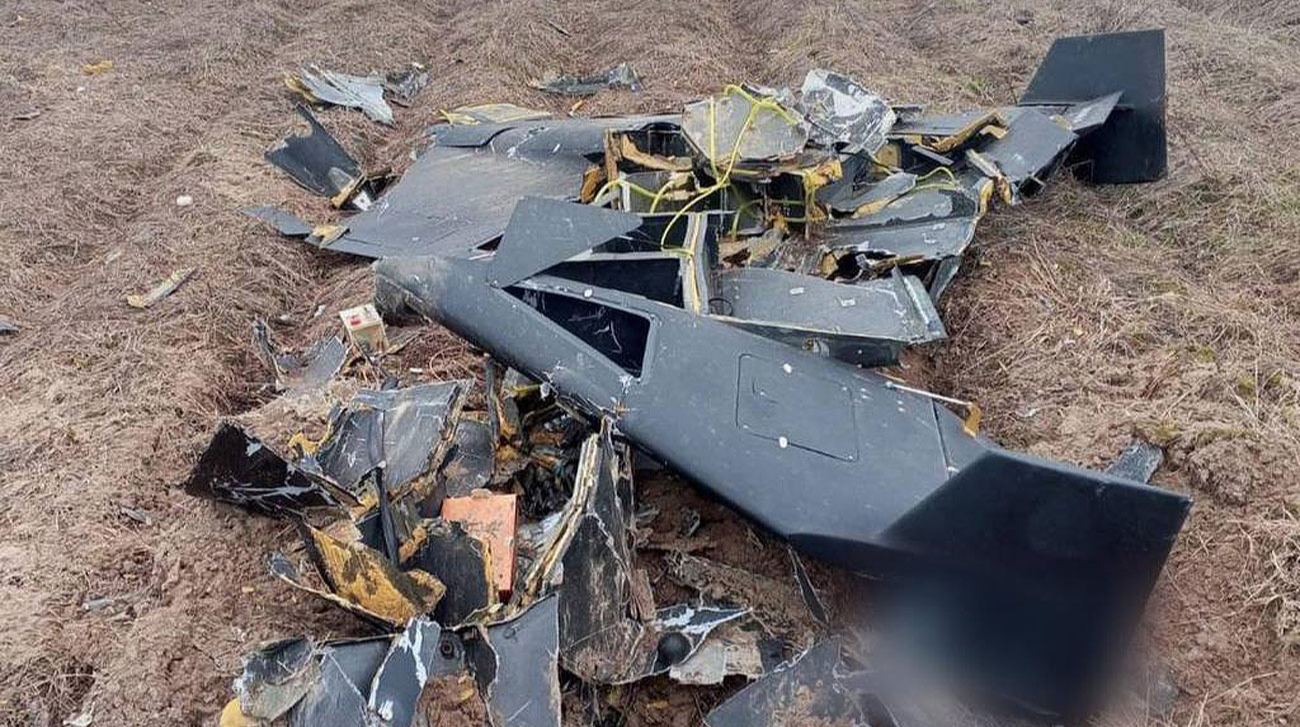
Photo: Ukrainska Pravda UA
At a glance
- Russian forces launched 123 drones; Ukraine intercepted 95.
- Drones were launched from multiple Russian cities, including Crimea.
- A range of Ukrainian military units participated in the defense efforts.
- 19 drones struck 16 locations, causing debris risks.
- The incident reflects increasing drone usage in the ongoing conflict.
Why it matters
This incident highlights the ongoing aerial threat posed by Russian forces using drones. The effectiveness of Ukraine's air defense system in intercepting these attacks is critical for national security.
https://www.pravda.com.ua/news/2026/04/28/8032119/
What Happened
On the evening of April 27, Russian forces launched an unprecedented attack using 123 drones of various models, including Shahed, Gerbera, and Italmas. According to Ukraine's Air Forces, 95 of these drones were successfully intercepted. However, there were confirmed hits and debris from downed drones across twenty locations within Ukraine.
Key Details
The attack, reported early on April 28, saw drone incursions in northern, southern, and eastern Ukraine. The Air Forces of Ukraine stated that approximately 80 of the intercepted drones were of the Shahed type, indicating a strategic preference for this model by the attackers.
The source confirmed that the intercepted drones were launched from various Russian cities, including Kursk, Oryol, Shatalovo, Millerovo, and Primorsko-Akhtarsk, as well as from the temporarily occupied region of Crimea. The defense against these drone attacks involved multiple branches of Ukraine's military, including aviation, anti-aircraft missile forces, electronic warfare units, and mobile fire groups from Ukraine's Defense Forces.
Despite the high interception success rate, fragments of the downed drones fell in populated areas, posing additional risks to civilians and infrastructure.
Why It Matters
The high interception rate reflects the effectiveness of Ukraine's air defense systems amidst ongoing military aggression. These attacks demonstrate the persistent threat posed by Russian drones, which have been utilized regularly in various forms of warfare throughout the conflict. The incidents underline the need for continued vigilance and preparedness in the face of ongoing aerial threats.
Background
The use of drone technology by Russian forces has significantly increased during the conflict, becoming a key component of their military strategy. Attacks employing drones have strained Ukraine's air defenses, as these systems require constant adaptation to counter evolving threats.
The latest drone assault marks a continuation of hostilities that have been notable throughout 2023, with aerial assaults becoming a recurrent issue in the ongoing conflict between Ukraine and Russia.
Source: Ukrainska Pravda UA
This report is maintained as a live newsroom article. Headlines and top paragraphs may be tightened when fresh reporting changes the clearest angle.
Newsletter
Get the next breaking Ukraine update
Receive the fastest lead, key facts, and follow-up links in one concise newsroom note.
Breaking format
The lead carries the core fact first.
Key figures and locations stay near the top.
Related coverage tracks the same reporting line.